
Beautiful Plants For Your Interior
Beautiful Plants For Your Interior
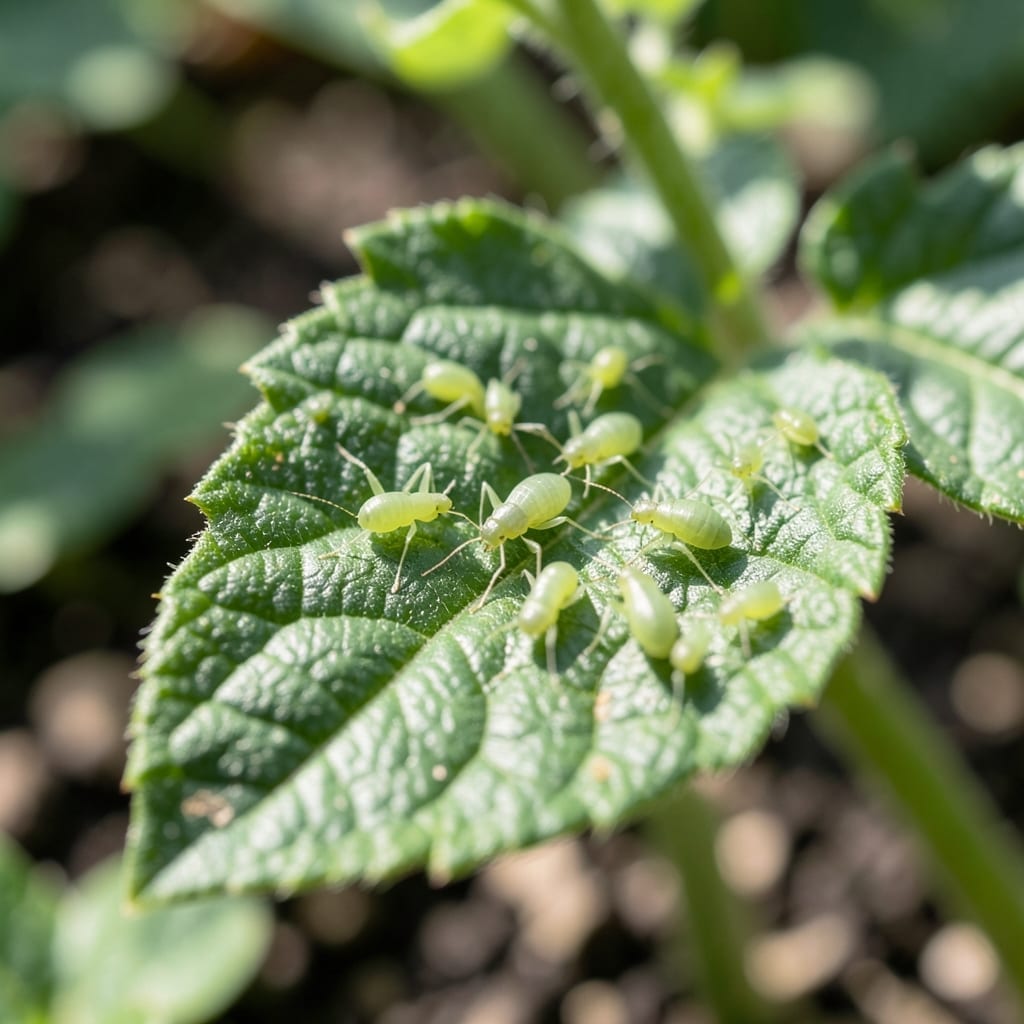
I discovered this method after losing an entire rose bush to aphids in 48 hours. Baking soda disrupts their digestive systems without harming plants or beneficial insects in your garden.
It’s not just effective—it’s immediate. A simple spray solution stops the infestation in its tracks while being completely safe for kids, pets, and pollinators. I’ve used it on vegetables, flowers, and houseplants with consistent results.
You’ll notice aphids disappearing within 24-48 hours of application, and the plants recover quickly without chemical residue. The cost is pennies per treatment compared to commercial sprays.
Works for light to moderate infestations and prevents future outbreaks when applied weekly. Here’s how to mix and apply it properly.
Aphids thrive due to a combination of environmental and plant health factors. Understanding these triggers helps you address the root cause and prevent future outbreaks.
Excess nitrogen in soil promotes tender, new growth—aphids’ favorite food. When plants receive too much nitrogen-rich fertilizer (e.g., synthetic blends), they produce succulent leaves that attract aphids in droves. Balance fertilizers with phosphorus and potassium to strengthen plant cell walls.
Aphids reproduce rapidly in temperatures between 65–80°F (18–27°C) with high humidity. These conditions accelerate their life cycle, allowing populations to explode in weeks. Drought-stressed plants are also more vulnerable, as they produce weaker defenses.
Without ladybugs, lacewings, or parasitic wasps, aphid colonies grow unchecked. Overuse of broad-spectrum pesticides kills these beneficial insects, creating a void aphids quickly fill. Encourage biodiversity with companion plants like marigolds or dill to restore the balance.
Plants under stress (from poor soil, drought, or disease) emit chemical signals that aphids detect. These stressed plants often lack the vigor to resist infestations. Improve plant health with compost, proper watering, and crop rotation to reduce susceptibility.
Dealing with aphids doesn’t have to mean reaching for harsh chemicals. Baking soda offers a simple, non-toxic way to tackle infestations and protect your plants. Here’s how to use it effectively for each common cause:
When plants are too close together, aphids thrive in the damp, shaded environment. Thin out dense foliage to improve airflow, then mix 1 tablespoon of baking soda + 1 teaspoon of dish soap + 1 quart of water. Spray directly on aphids and the undersides of leaves. Reapply every 5–7 days until they’re gone.
Prevention tip: 💡 Space plants properly from the start and prune regularly to reduce hiding spots.
Aphids love soggy soil and wet leaves. Let the topsoil dry between waterings, and dust plants lightly with a baking soda and flour mix (1:1 ratio) to deter pests. The alkaline environment disrupts their feeding.
Prevention tip: 🌡️ Water early in the day so leaves dry quickly, and use drip irrigation to avoid wetting foliage.
Stressed or nutrient-deficient plants attract aphids. Strengthen them with a baking soda foliar spray (1 tsp baking soda + 1 quart water + a few drops of neem oil). This both repels aphids and helps plants recover.
Prevention tip: ✨ Keep plants healthy with balanced fertilizer and remove weak growth promptly.
For heavy aphid clusters, soak a cotton ball in a baking soda solution (2 tbsp baking soda + 1 quart water) and dab it directly onto the bugs. This smothers them on contact. Follow up with a full plant spray to prevent reinfestation.
Prevention tip: 🎯 Inspect plants weekly for early signs, and introduce beneficial insects like ladybugs.
Use the solution every 5–7 days until aphids are gone. For prevention, apply weekly or after rain to maintain protection. Consistency is key for long-term results.
Yes, but test on a small area first. Some sensitive plants may react to the soap or baking soda concentration. Dilute further if you notice leaf damage.
It disrupts their digestive systems and creates an alkaline environment on leaves they can’t tolerate. The soap helps the solution stick to pests for better effectiveness.
Rinse produce thoroughly before eating. The solution is non-toxic and breaks down naturally, making it safe for vegetables and herbs.