
Beautiful Plants For Your Interior
Beautiful Plants For Your Interior
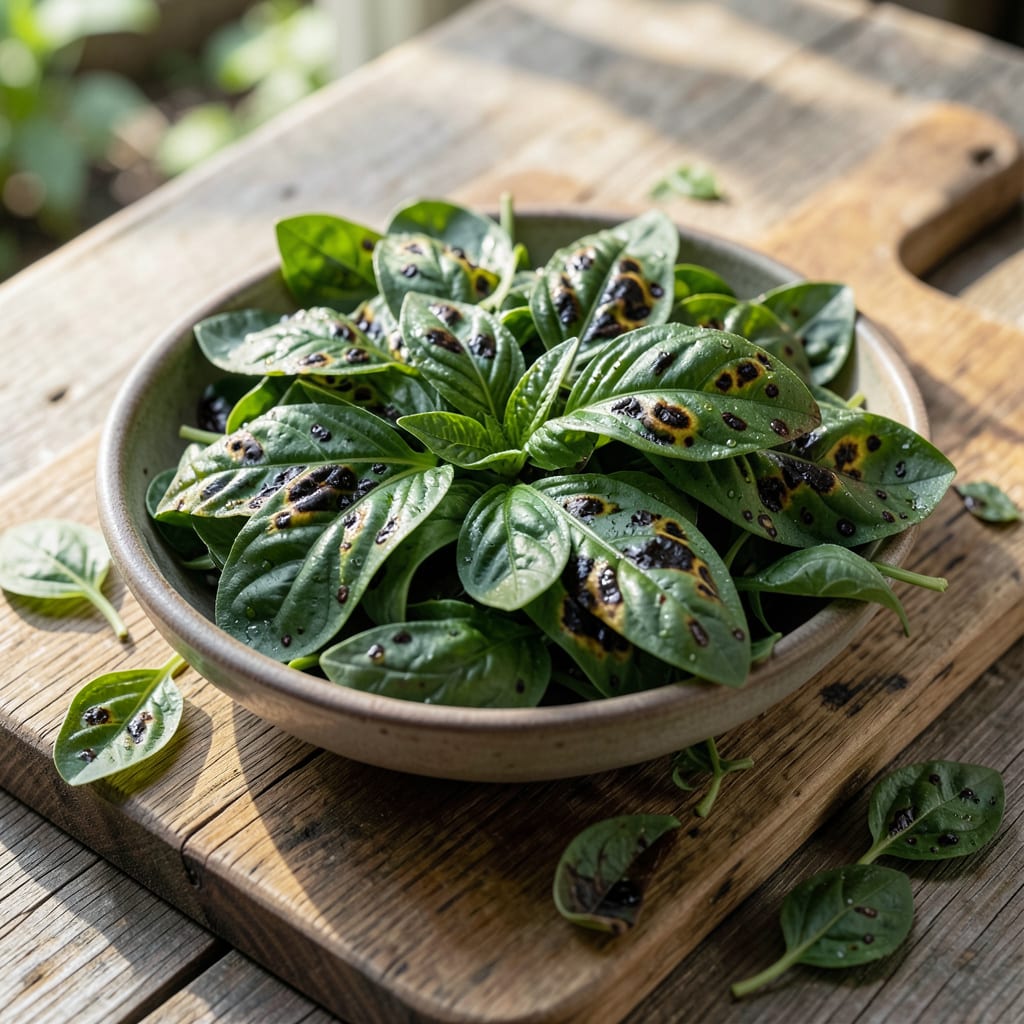
Basil leaves turning yellow with dark spots? I’ve been there. 🌿 This common issue hits most growers at some point, but the good news is it’s preventable and treatable with simple adjustments.
Overwatering and poor air circulation create the perfect storm for bacterial leaf spot. I learned the hard way that basil hates wet leaves—splashing water spreads the bacteria faster than you’d think.
Natural remedies like copper sprays and neem oil work surprisingly well. Better yet, proper spacing and morning watering stop the problem before it starts.
Your plants can recover with the right approach, and next season will be even stronger.
Bacterial leaf spot in basil is primarily caused by Pseudomonas cichorii or Xanthomonas spp., but several environmental and cultural factors create the perfect conditions for infection. Understanding these triggers helps you prevent outbreaks before they start.
Bacteria thrive in moist environments. When you water basil from above, droplets linger on leaves, giving pathogens a direct entry point through stomata or wounds. High humidity (above 85%) and poor air circulation exacerbate the issue, allowing bacteria to spread rapidly. Action: Water at the soil level early in the day to let foliage dry quickly.
The bacteria can survive in soil or on gardening tools for months. Using unsterilized pruners, pots, or even infected compost introduces the pathogen to healthy plants. Action: Disinfect tools with a 10% bleach solution and rotate crops to break the disease cycle.
Dense basil plantings restrict airflow, trapping moisture and creating a microclimate ideal for bacterial growth. Action: Space plants 12–18 inches apart and prune regularly to improve ventilation.
While basil loves warmth, temperatures between 75–85°F (24–29°C) accelerate bacterial reproduction. Sudden temperature drops or heat stress can also weaken plants, making them more susceptible. Action: Use shade cloth during heatwaves and avoid planting in cold, damp spring soil.
Pests like aphids or whiteflies create tiny wounds on leaves, providing entry points for bacteria. Action: Monitor for pests and use insecticidal soap or neem oil to deter them before they compromise plant health.
Bacterial leaf spot can be a stubborn issue, but these practical steps will help you stop the spread and revive your basil. Address each cause with targeted fixes and prevention tips to keep your plants thriving.
Wet leaves create the perfect breeding ground for bacteria. Stop overhead watering immediately and switch to a drip irrigation system or water at the base of the plant. This keeps foliage dry and reduces infection risk.
Prevention tip: 💡 Water early in the morning so any accidental splashes dry quickly in the sun.
If the soil harbors bacteria, remove and replace the top 2-3 inches with fresh, sterile potting mix. For a chemical-free fix, solarize the soil: cover it with clear plastic for 4-6 weeks in hot sun to kill pathogens.
Prevention tip: ✨ Rotate crops yearly and avoid planting basil in the same spot repeatedly.
Remove all spotted leaves with clean, sharp scissors and dispose of them in the trash (not compost). Sterilize your tools with rubbing alcohol between cuts to avoid spreading bacteria.
Prevention tip: 🎯 Space plants 12-18 inches apart to improve airflow and reduce humidity buildup.
For severe cases, use a copper-based bactericide (like copper sulfate) as a last resort. Spray in the early morning or late evening to avoid leaf burn, and follow label instructions carefully.
Prevention tip: 🌡️ Avoid working with plants when they’re wet, as this spreads bacteria more easily.
Strengthen basil’s defenses with neem oil (mixed with water and soap) or a baking soda spray (1 tsp baking soda + 1 quart water + a drop of dish soap). These won’t cure existing spots but can help prevent new ones.
Prevention tip: 💪 Feed plants with a balanced organic fertilizer to keep them vigorous and resistant.
No, never compost infected leaves. The bacteria can survive and spread to other plants. Dispose of them in sealed trash bags instead.
Under ideal conditions (warmth + moisture), spots can appear on new leaves within 3-5 days. Early action is key to prevent rapid spread.
Yes, removing spotted leaves immediately stops the bacteria from spreading. Always sterilize tools between cuts with rubbing alcohol.
It’s safe if you remove and discard affected leaves. The edible parts remain fine, but wash thoroughly. Never consume severely infected plants.
