
Beautiful Plants For Your Interior
Beautiful Plants For Your Interior
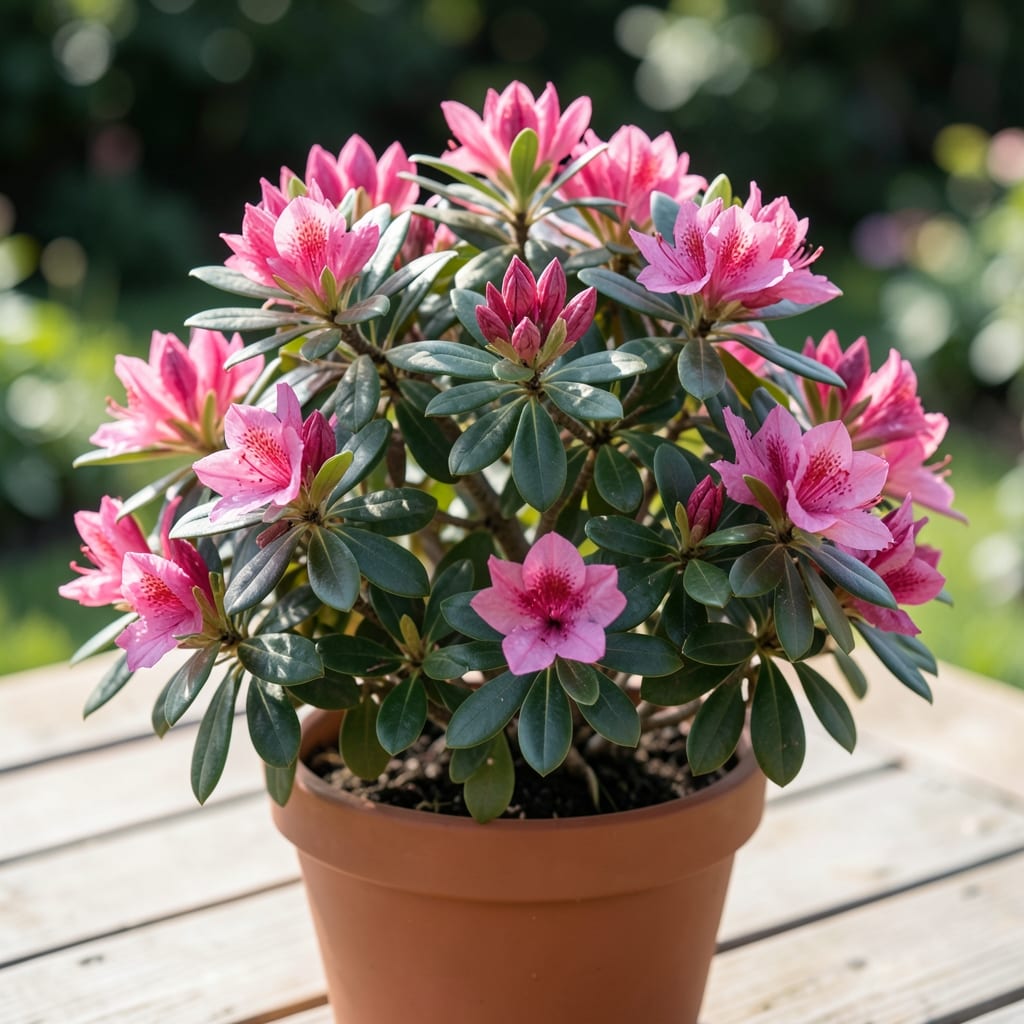
Azaleas thrive outdoors in partial shade and acidic, well-draining soil but can grow indoors temporarily with bright, indirect light and cool temperatures. Most varieties prefer outdoor conditions long-term.
I’ve found these plants naturally flourish in garden settings where they get seasonal changes and fresh air circulation. Indoor success requires replicating their native environment with 60-70°F temps and consistent moisture, which can be tricky. 🌟
What many don’t realize is that even thriving indoor azaleas often decline after a few months without proper light and humidity control.
💡 In This Article
Azaleas are native to woodland areas where they thrive under dappled sunlight. In their natural habitat, they benefit from temperature fluctuations between day and night, which stimulate growth hormones and flowering cycles. The humidity in outdoor environments also keeps their leaves vibrant and prevents the dryness that often plagues indoor plants.
Outdoor conditions provide the acidic soil (pH 4.5-6.0) azaleas crave, rich in organic matter from decomposing leaves. This soil composition allows their shallow root systems to access nutrients efficiently. Additionally, natural rainfall provides consistent moisture without the risk of salt buildup from tap water, which can harm their sensitive roots over time. 🌟
Indoor environments typically lack these dynamic elements. Stagnant air and artificial lighting can’t replicate the gentle breezes and shifting sun patterns that azaleas evolved to love. Without these natural stimuli, indoor azaleas often grow leggy, produce fewer blooms, and become more susceptible to pests like spider mites.
The seasonal changes outdoors—cooler winters and warmer summers—are crucial for azaleas to set buds and bloom profusely. Indoors, the stable temperatures may prevent this natural cycle, resulting in weaker plants that fail to flower as abundantly. Even with careful care, most varieties will eventually decline without outdoor exposure.
For example, evergreen azaleas like ‘Hino Crimson’ can survive indoors for a season but will struggle without a winter chill period (40-50°F for 6-8 weeks). This dormancy period is essential for next year’s blooms, something nearly impossible to replicate in a heated home. ✨
Most varieties struggle long-term without seasonal changes. They need a winter chill period of 40-50°F for 6-8 weeks to set buds properly, which is hard to replicate indoors.
Place them near an east-facing window for gentle morning light. Maintain 60-65°F days and 50-55°F nights, avoiding heat sources that dry the air.
Check the top 1 inch of soil—water when it feels dry. Use room-temperature water and avoid waterlogging, as soggy roots can cause decline.
Low humidity and temperature fluctuations stress the plant. Use a pebble tray or humidifier, and keep them away from drafts or heating vents.
Transition gradually over 2-3 weeks to avoid shock. Choose a cool, bright spot and return them outdoors in spring before new growth starts.