
Beautiful Plants For Your Interior
Beautiful Plants For Your Interior
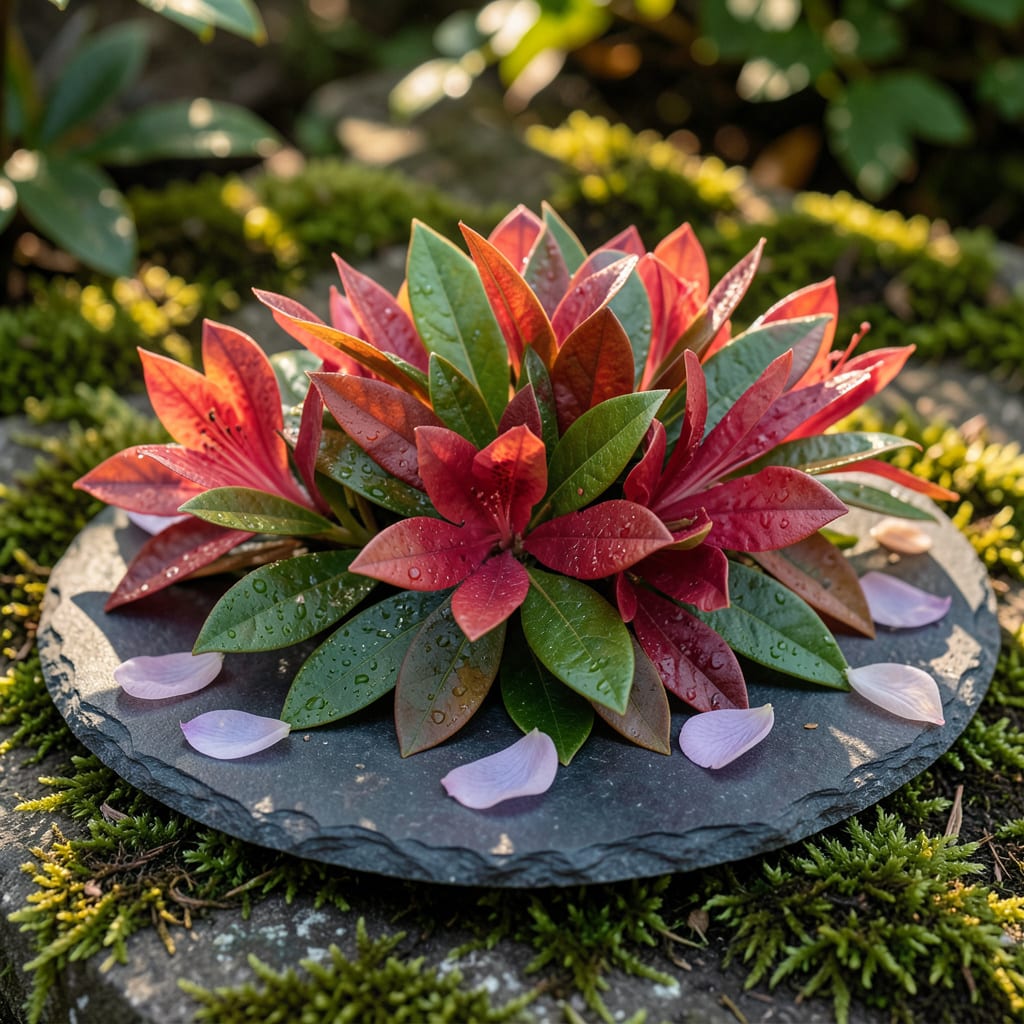
Red azalea leaves aren’t a death sentence. I’ve seen this exact issue in my own garden, and the fix is simpler than most guides suggest.
Usually, it’s a nutrient imbalance—often magnesium or phosphorus—or a pH problem in the soil. Sometimes it’s just stress from too much sun or inconsistent watering. The leaves turn bright red or purplish, especially on the edges or newer growth.
Testing your soil is the fastest way to confirm what’s missing. A basic kit from any garden center gives you the answers in 10 minutes, and the solution is usually as easy as amending the soil or adjusting your care routine.
Most azaleas bounce back within 2-3 weeks once you address the root cause. Here’s how to diagnose and treat it properly.
Azalea leaves turning red often signal an underlying issue. Here are the most common causes, explained scientifically and actionably:
Sudden temperature drops, especially below 50°F (10°C), can trigger anthocyanin production—a pigment that turns leaves red. Azaleas are sensitive to cold snaps, and this stress response is their way of protecting cells from damage. Action: Move potted azaleas indoors or cover garden plants with frost cloth before cold nights.
When soil lacks phosphorus, azaleas struggle to produce energy, leading to red or purplish leaves. This deficiency often occurs in alkaline soils (pH > 6.5), where phosphorus becomes less available. Action: Test soil pH and amend with sulfur or a phosphorus-rich fertilizer (e.g., bone meal) if levels are low.
Too much direct sunlight can scorch leaves, causing reddening as a stress response. Azaleas thrive in partial shade (4–6 hours of morning sun). Action: Relocate plants to a shadier spot or use shade cloth during peak afternoon hours.
Fungi like Phytophthora or Botrytis can disrupt nutrient uptake, leading to discolored foliage. Red leaves may appear alongside spots or wilting. Action: Improve airflow, avoid overhead watering, and apply a copper-based fungicide if needed.
If your azalea leaves are turning red, don’t panic—there are clear fixes for each underlying cause. Here’s how to diagnose and treat the problem, plus prevention tips to keep your shrubs vibrant.
Fix: Test your soil with a home kit to confirm deficiencies. For magnesium, apply Epsom salt (1 tablespoon per gallon of water) as a foliar spray or soil drench. For phosphorus, mix in bone meal or a balanced, acid-loving plant fertilizer (e.g., 10-10-10).
Prevent: Amend soil with compost or peat moss annually to maintain nutrient balance. Use fertilizers formulated for azaleas in early spring and late fall.
Fix: Move potted azaleas to partial shade (morning sun, afternoon shade) immediately. For in-ground plants, create shade with a shade cloth or plant taller companions nearby.
Prevent: Site new azaleas in locations with dappled sunlight. Mulch around the base to retain moisture and cool roots.
Fix: Let the soil dry to the touch (top 1-2 inches) between waterings. If the soil is soggy, improve drainage by aerating the root zone with a garden fork or adding perlite to the soil.
Prevent: Use well-draining soil (azalea mix works well) and ensure pots have drainage holes. Water deeply but less frequently—about 1 inch per week.
Fix: Protect plants from sudden cold snaps with frost cloths or move containers indoors temporarily. For heat stress, increase watering frequency and apply a layer of mulch to insulate roots.
Prevent: Plant azaleas in microclimates shielded from harsh winds. In extreme climates, opt for cold-hardy varieties like ‘PJM’ or ‘Hino Crimson’.
Fix: For lace bugs or spider mites, spray leaves with neem oil or insecticidal soap every 7–10 days until pests are gone. Prune heavily infested branches to limit spread.
Prevent: Encourage natural predators like ladybugs by planting companion flowers. Keep the garden free of debris where pests overwinter.
💡 Pro Tip: Always water azaleas at the base (not the leaves) to reduce disease risk and improve absorption.
Not necessarily! Red leaves often mean stress, not death. With proper care, most recover in 2-3 weeks. Check for other signs like wilting or leaf drop.
Only if they’re severely damaged. Otherwise, leave them—pruning healthy red leaves removes the plant’s energy source. Focus on fixing the underlying issue first.
No, azaleas need acidic soil. Use a fertilizer for acid-loving plants with a pH of 4.5-6.0. Regular fertilizer can raise pH and worsen the problem.
Test every spring and fall, or whenever you notice color changes. A basic kit costs $10-$15 and gives results in 10 minutes.
