
Beautiful Plants For Your Interior
Beautiful Plants For Your Interior
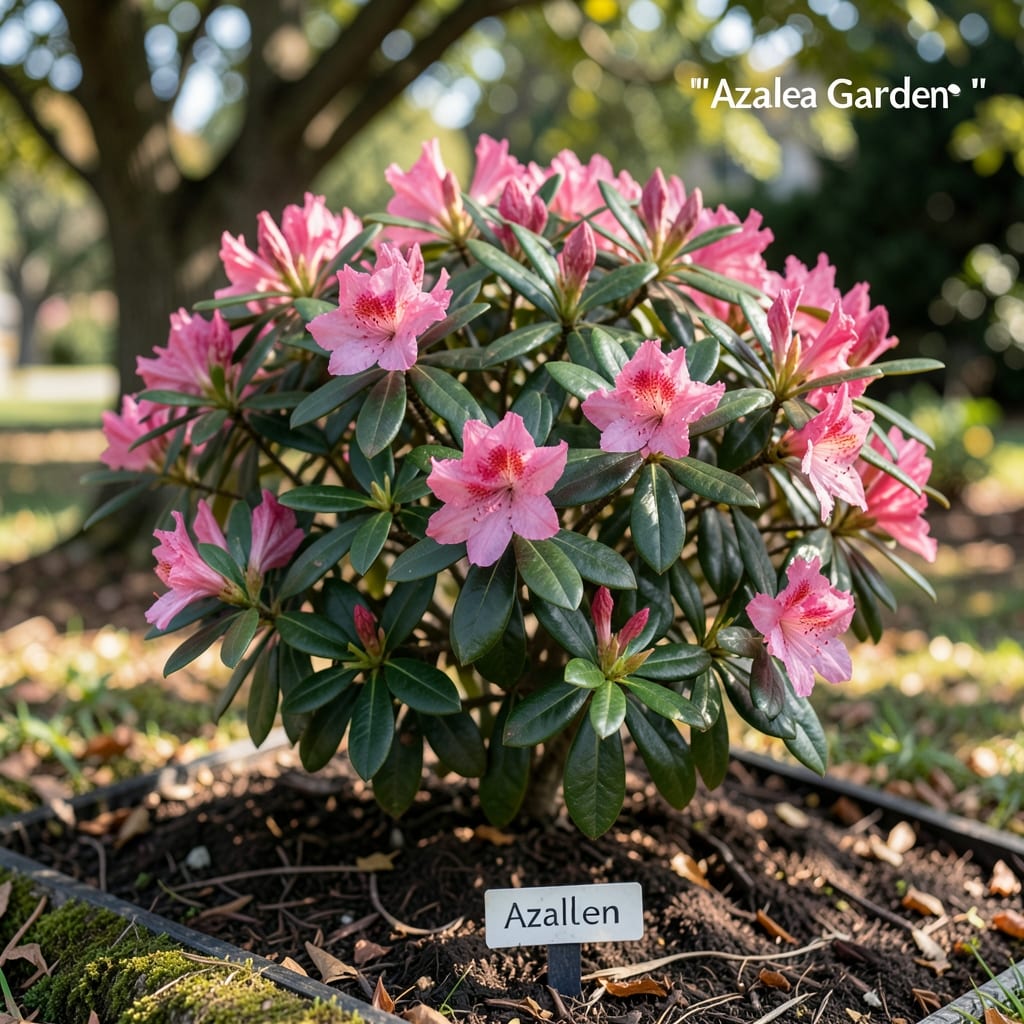
Many azalea varieties thrive in full shade, particularly evergreen types like ‘Girard’s Hot Shot’ and ‘Delaware Valley White’. They need well-draining, acidic soil and consistent moisture to flourish in low-light conditions.
I’ve seen these plants do remarkably well under dense canopies where other shrubs struggle. Their broad, waxy leaves efficiently capture scattered light, while shallow root systems quickly absorb moisture before it evaporates. 🔥
For best results, I recommend mixing organic matter like pine bark into the soil to boost acidity and drainage.
💡 In This Article
Azaleas have evolved specialized leaf structures that maximize light absorption. Their broad, elliptical leaves have a high surface area, allowing them to capture even diffused light under dense canopies. The upper epidermis contains multiple layers of chloroplast-rich cells, boosting photosynthetic efficiency in low-light environments. 🔥
These plants also develop shallow, fibrous root systems that spread widely just beneath the soil surface. This adaptation lets them quickly absorb moisture and nutrients before they leach deeper into the ground, which is crucial in shady areas where evaporation is slower.
The roots form symbiotic relationships with mycorrhizal fungi, enhancing nutrient uptake in acidic soils.
The waxy cuticle on azalea leaves reduces water loss while maintaining gas exchange. This is particularly important in shaded areas where air circulation may be limited. The leaves’ dark green color comes from high chlorophyll concentrations, which help compensate for reduced light intensity by increasing light-harvesting capacity.
Azaleas also exhibit phototropism, the ability to grow toward light sources. In full shade, they’ll often develop a more open, spreading habit as branches stretch toward available light. This growth pattern helps maximize light exposure across the entire plant, even in consistently shady spots. ✨
These adaptations make azaleas uniquely suited to thrive where other plants might struggle. Their ability to efficiently use limited light, combined with moisture-loving roots, explains why they can flourish in full shade while maintaining vibrant blooms and healthy foliage. 💫
Yes, many varieties produce abundant flowers in full shade. While they may bloom slightly less than in partial sun, shade-tolerant types like ‘Delaware Valley White’ still put on a spectacular spring display. Consistent moisture helps maximize flowering.
Azaleas thrive in acidic soil with a pH between 4.5-6.0. Test your soil and amend with sulfur or pine bark fines if needed. This acidity helps roots absorb essential nutrients like iron and magnesium.
Check soil weekly and water when the top 1-2 inches feel dry. Shaded plants need less frequent watering than sunny ones, but never let the soil dry completely. Mulch helps retain moisture.
Yellow leaves often indicate iron deficiency from soil pH that’s too high. Apply chelated iron or acidifying fertilizer to correct this. Overwatering can also cause this issue, so check drainage.