
Beautiful Plants For Your Interior
Beautiful Plants For Your Interior
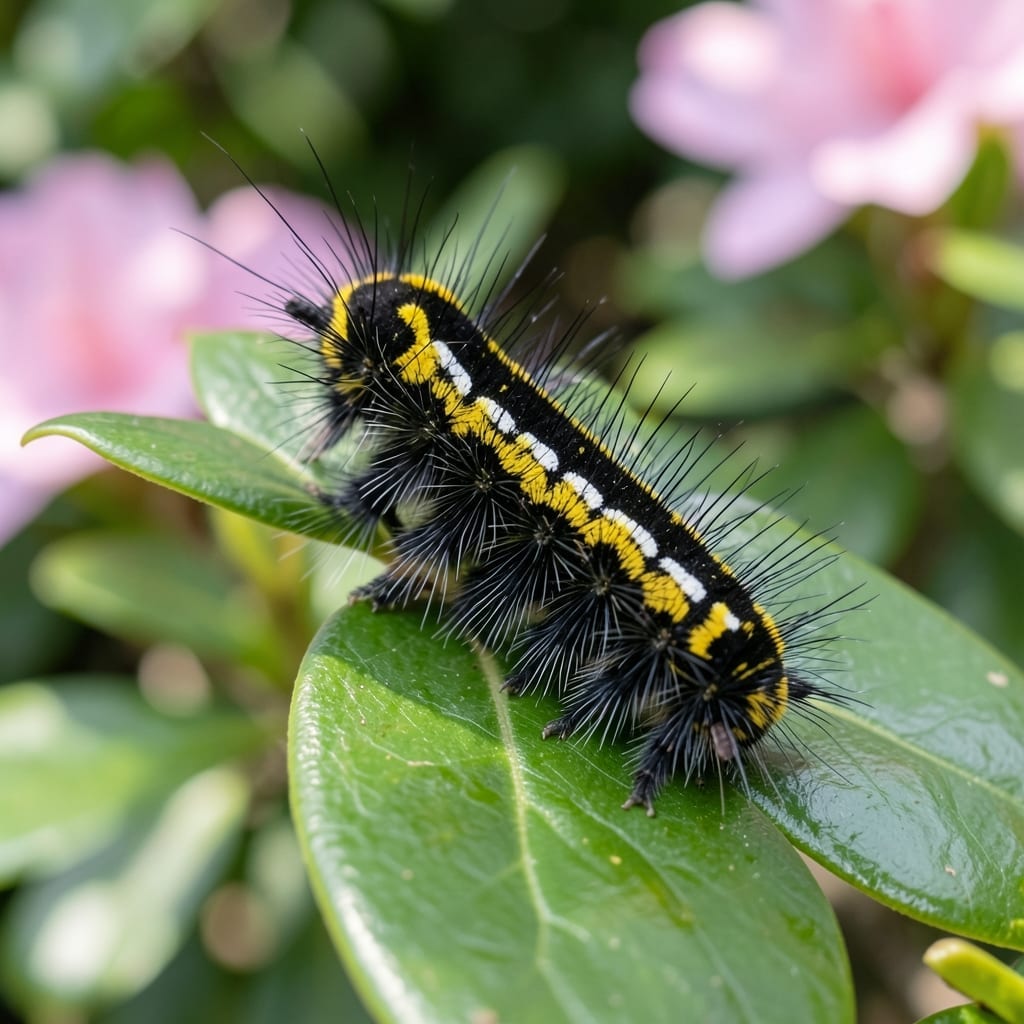
I spotted my first azalea caterpillar damage last summer—skeletonized leaves overnight. These pests move fast, and a small infestation can defoliate a shrub in days.
Here’s the thing—they’re sneaky. Look for dark, hairy caterpillars on leaf undersides or webbing between branches. Early detection means the difference between a quick fix and a full-blown crisis.
You’ll stop the spread with targeted removal and natural predators. I’ve saved multiple azaleas using simple hand-picking and neem oil applications. The plants bounce back surprisingly fast.
Prevention is easier than treatment. Keep an eye out in late summer when these caterpillars are most active. Your azaleas will thank you.
The azalea caterpillar (Datana major) infestation typically occurs due to a combination of environmental and biological factors. Understanding these causes can help you prevent future outbreaks and protect your azaleas effectively.
Azalea caterpillars thrive in areas with dense, lush azalea foliage. These plants provide both food and shelter, making them an ideal breeding ground. Caterpillars are particularly drawn to healthy, well-fertilized azaleas, which offer abundant nutrients for their growth.
These pests are most active during late summer and early fall when temperatures are warm (70–85°F) and humidity is high. Such conditions accelerate their life cycle, allowing them to feed voraciously and reproduce rapidly. Regions with mild winters may also experience prolonged caterpillar activity.
The azalea caterpillar’s life cycle includes eggs laid on the undersides of leaves, which hatch into larvae (caterpillars) within 7–10 days. If left unchecked, these larvae can defoliate azaleas quickly. Their timing often aligns with the plant’s active growth phase, maximizing damage potential.
In many gardens, natural predators like birds, parasitic wasps, or ground beetles are absent or insufficient to control caterpillar populations. This lack of biological control allows infestations to spiral, especially in monoculture landscapes (e.g., azalea-only beds) where biodiversity is low.
By addressing these root causes—such as improving garden diversity or monitoring during peak seasons—you can reduce the likelihood of severe infestations.
Azalea caterpillars can quickly defoliate your plants, but these targeted solutions will help you regain control and protect your garden.
If the infestation is small, manually remove caterpillars by wearing gloves and dropping them into a bucket of soapy water. Check the undersides of leaves, where they often hide. Do this early in the morning or late evening when caterpillars are most active.
For a natural, chemical-free fix, apply Bacillus thuringiensis (Bt), a bacterial spray that targets caterpillars without harming beneficial insects. Spray it directly on leaves, especially the undersides, and reapply after rain. Best used when caterpillars are young and actively feeding.
Insecticidal soap or horticultural oil can smother and kill caterpillars on contact. Mix according to the label and spray thoroughly, covering all leaf surfaces. Reapply every 4–7 days until the infestation is gone. Avoid spraying in direct sunlight to prevent leaf burn.
Attract birds, parasitic wasps, and other predators by planting native flowers and providing water sources. These natural allies will help keep caterpillar populations in check. Avoid broad-spectrum pesticides, which can harm these helpful creatures.
With consistent effort, you can keep your azaleas thriving and caterpillar-free!
Inspect your azaleas at least once a week during late summer and early fall. Focus on leaf undersides and webbing between branches, where caterpillars and eggs often hide.
No, regular soap can harm plants. Insecticidal soap is specially formulated to target pests while being safe for foliage. Always follow label instructions for best results.
Apply sprays like Bt or insecticidal soap in the early morning or late evening. This avoids harming beneficial insects active during the day and prevents leaf burn from midday heat.
A few caterpillars can multiply rapidly and defoliate your azaleas in just a few days. Early action is key to preventing widespread damage.