
Beautiful Plants For Your Interior
Beautiful Plants For Your Interior
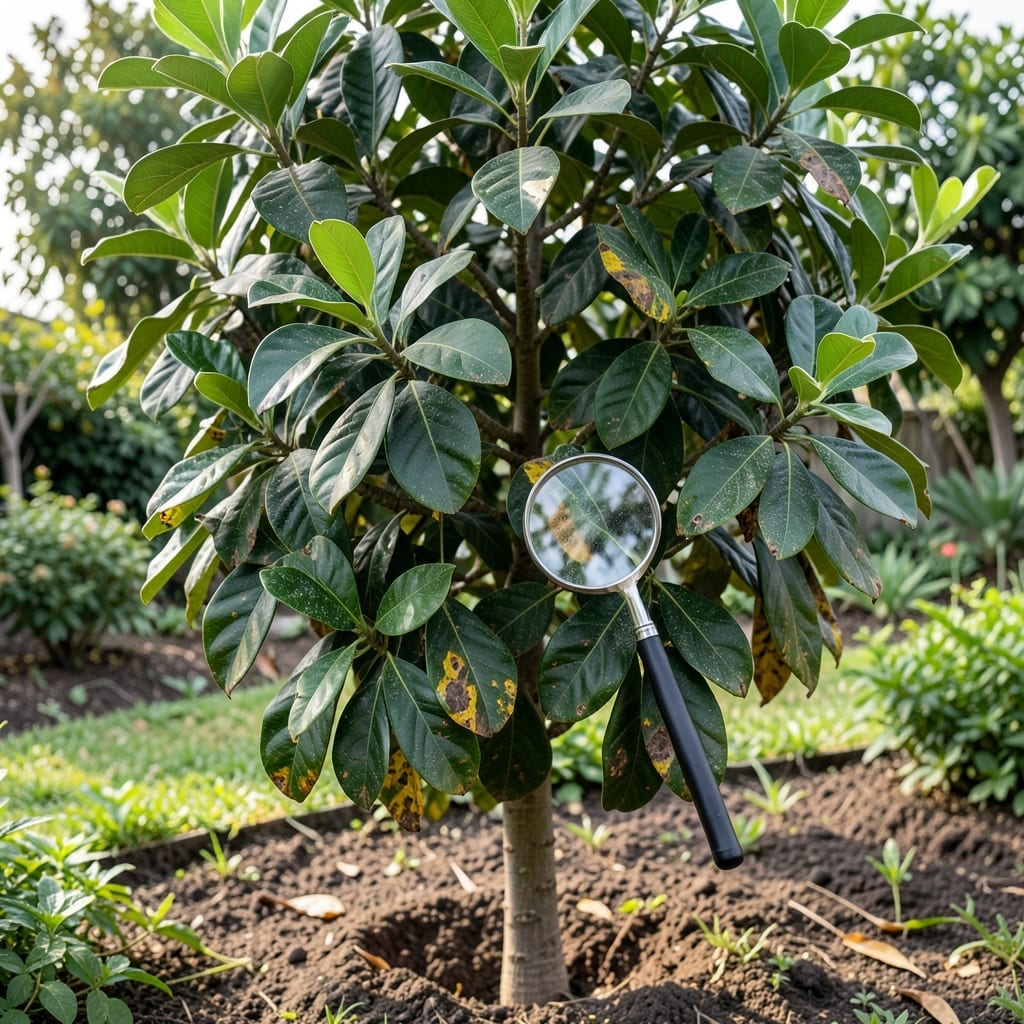
Spotting trouble early saves avocado trees from slow decline. I learned this the hard way after losing a young tree to root rot that spread before I noticed the yellowing leaves.
The signs are subtle at first—brown spots, wilting foliage, or stunted growth—but each symptom tells a story about what’s wrong. Most issues stem from overwatering, poor drainage, or fungal infections that thrive in humid conditions.
Once you identify the problem, the fix is often simpler than you think. Adjusting watering habits, improving airflow, or applying the right treatment can turn things around within 2-3 weeks.
Works for backyard trees, potted avocados, and commercial groves alike. Here’s how to diagnose and treat the most common issues.
Avocado trees are susceptible to diseases due to a mix of environmental, biological, and cultural factors. Understanding these triggers helps you prevent or mitigate damage early. Below are the primary reasons these issues arise, broken down by cause.
Many avocado tree diseases, like root rot (Phytophthora cinnamomi) or anthracnose (Colletotrichum gloeosporioides), stem from fungal or bacterial infections. These pathogens thrive in wet, poorly drained soil or spread via contaminated tools, water, or infected plant debris. Overhead watering, for example, creates ideal conditions for spores to germinate and infect leaves or fruit.
Extreme weather—drought, excessive rain, or temperature swings—weakens trees, making them more vulnerable to disease. Avocados prefer consistent moisture but detest waterlogged roots. High humidity can also encourage fungal growth, while frost damage may lead to canker or dieback, providing entry points for pathogens.
Improper care accelerates disease development. Over-fertilization (especially with nitrogen) promotes lush, soft growth that’s easily infected. Lack of pruning reduces airflow, trapping moisture and fostering fungal spores. Additionally, planting in compacted or nutrient-poor soil stresses the tree, reducing its natural defenses.
Insects like avocado lace bugs or borers damage leaves and bark, creating wounds where diseases can enter. Sap-sucking pests (e.g., mites or scale) also weaken the tree, diverting its energy from defense to recovery. Regular monitoring and integrated pest management (IPM) are key to breaking this cycle.
When your avocado tree shows signs of disease, quick action can save it. Below are targeted fixes for common problems, paired with prevention tips to keep your tree thriving long-term.
If your tree’s roots are soggy or blackened, stop watering immediately and let the soil dry out. Repot in fresh, well-draining soil with perlite or sand mixed in. For potted trees, ensure the container has drainage holes. Prevention tip: 💡 Water only when the top 2 inches of soil are dry, and use a moisture meter to avoid overwatering.
For aphids, mites, or scale, spray leaves with neem oil or insecticidal soap every 5–7 days until pests are gone. Wipe down leaves with a damp cloth to remove residue. Prevention tip: 🎯 Encourage beneficial insects like ladybugs by planting companion flowers nearby.
Prune infected leaves with sterilized shears and dispose of them away from the tree. Apply a copper fungicide to prevent spread. Prevention tip: ✨ Space trees properly for airflow, and avoid wetting leaves during watering.
If leaves turn white or brown from harsh sun, move potted trees to partial shade or use shade cloth. Increase watering temporarily to help recovery. Prevention tip: 🌡️ Gradually acclimate young trees to direct sunlight over a week.
Yellowing leaves often signal a lack of nitrogen or zinc. Use a balanced citrus fertilizer or add compost to the soil. For zinc, spray leaves with a zinc sulfate solution. Prevention tip: 📊 Test soil every 2–3 years to monitor nutrient levels.
Look for yellowing leaves, wilting, and stunted growth. Dig near the base to check for dark, mushy roots instead of firm white ones. Early detection is key to saving your tree.
Improve airflow by pruning dense branches. Water at the base in the morning so leaves dry quickly. Avoid overhead watering, especially in humid conditions.
Yes, but act fast. Move potted trees to shade immediately and trim badly burned leaves. Increase watering to help recovery, but avoid overdoing it.
Check leaves and branches weekly during growing season. Pay special attention to the undersides of leaves where pests like mites and scale often hide.