
Beautiful Plants For Your Interior
Beautiful Plants For Your Interior
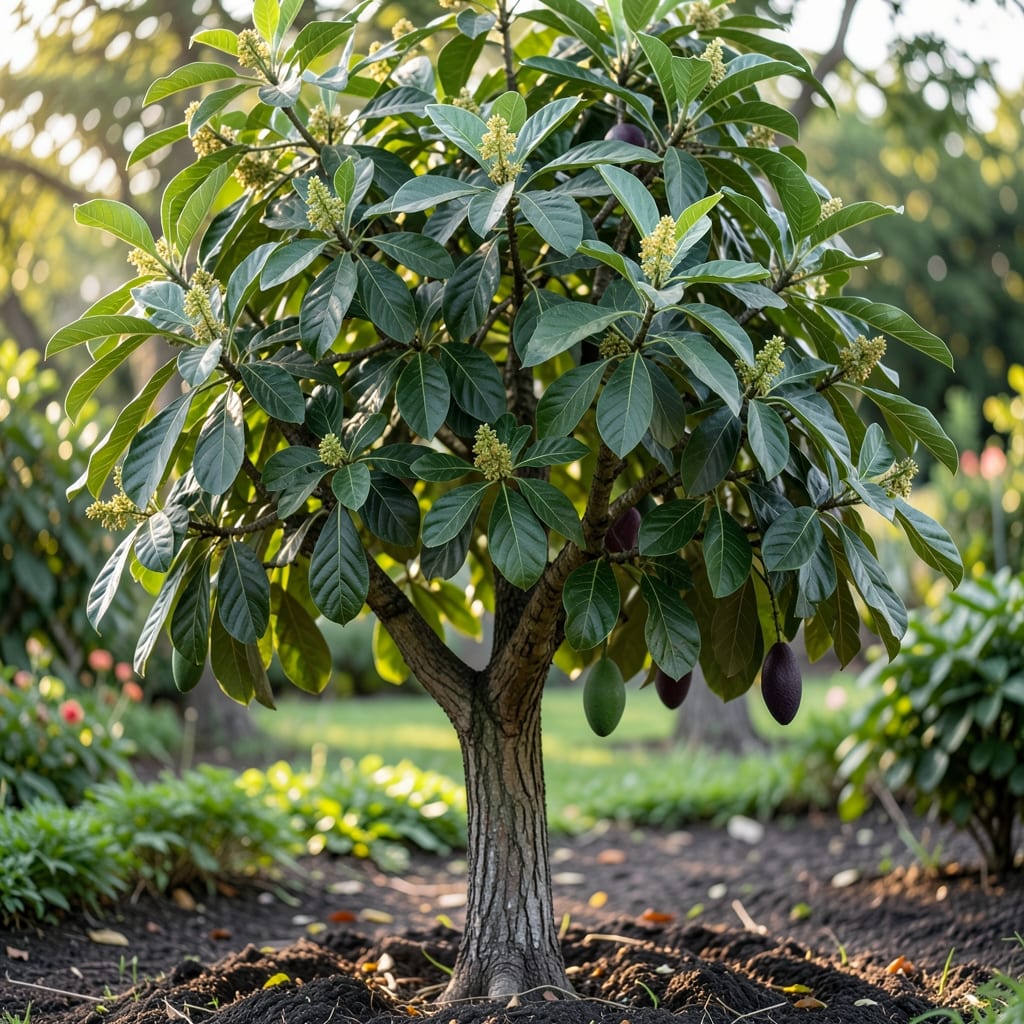
Avocado trees thrive in warm, subtropical to tropical climates, preferring USDA zones 9-11. They need consistent warmth, moderate humidity, and protection from frost or freezing temperatures.
I’ve seen these trees flourish in coastal areas where ocean breezes maintain that perfect balance of warmth and moisture. 🔥 Inland regions can work too if you pick a sheltered spot away from cold drafts. The key is mimicking their native Central American habitat, where temperatures rarely dip below 40°F. Even a light frost can damage young trees, so planning your planting location carefully makes all the difference.
💡 In This Article
Avocado trees evolved in Central America’s tropical highlands, where 65-85°F temperatures and 40-60% humidity create ideal conditions. Their vascular system struggles below 32°F, causing leaf drop and bark damage. The roots, particularly sensitive, can rot in waterlogged soil or freeze in cold snaps.
Humidity plays a subtle but crucial role. Too low (below 30%) and the leaves develop brown tips from moisture stress. Too high (above 70%) and fungal diseases like root rot thrive. Coastal areas often provide the perfect middle ground with consistent 50-60% humidity levels.
Seasonal changes trigger specific growth phases. Spring warmth (70-80°F) signals flowering, while summer heat (80-90°F) supports fruit development. A sudden 10°F drop can cause fruit to fall prematurely. This is why commercial growers in California use wind machines to prevent cold air pockets.
Soil temperature matters as much as air temperature. Roots stop growing below 50°F, which is why mulching with 4-6 inches of organic matter helps maintain warmth. In container growing, black pots absorb heat during the day and release it at night, creating a stable microclimate.
The tree’s canopy also adapts to climate. In high-heat areas, leaves develop a waxy coating to reduce water loss. In cooler zones, the canopy grows denser to maximize sun exposure. This natural adaptation explains why Hass avocados (thicker-skinned) thrive in California, while Fuerte varieties (thinner-skinned) prefer Florida’s humidity. 🔥
Yes, but with extra care. Use frost cloth and position near a south-facing wall for warmth. Dwarf varieties in containers can be moved indoors when temperatures drop below 40°F.
Temperatures below 32°F can cause leaf drop, bark damage, or even kill the tree. Even brief exposure to 25°F can be fatal for young trees.
Moderate humidity (40-60%) is ideal. Too low causes brown leaf tips; too high risks fungal diseases. Coastal areas often provide the best natural balance.
Cover with frost cloth or blankets and add string lights for warmth. Mulch heavily around the base and avoid low-lying planting spots.