
Beautiful Plants For Your Interior
Beautiful Plants For Your Interior
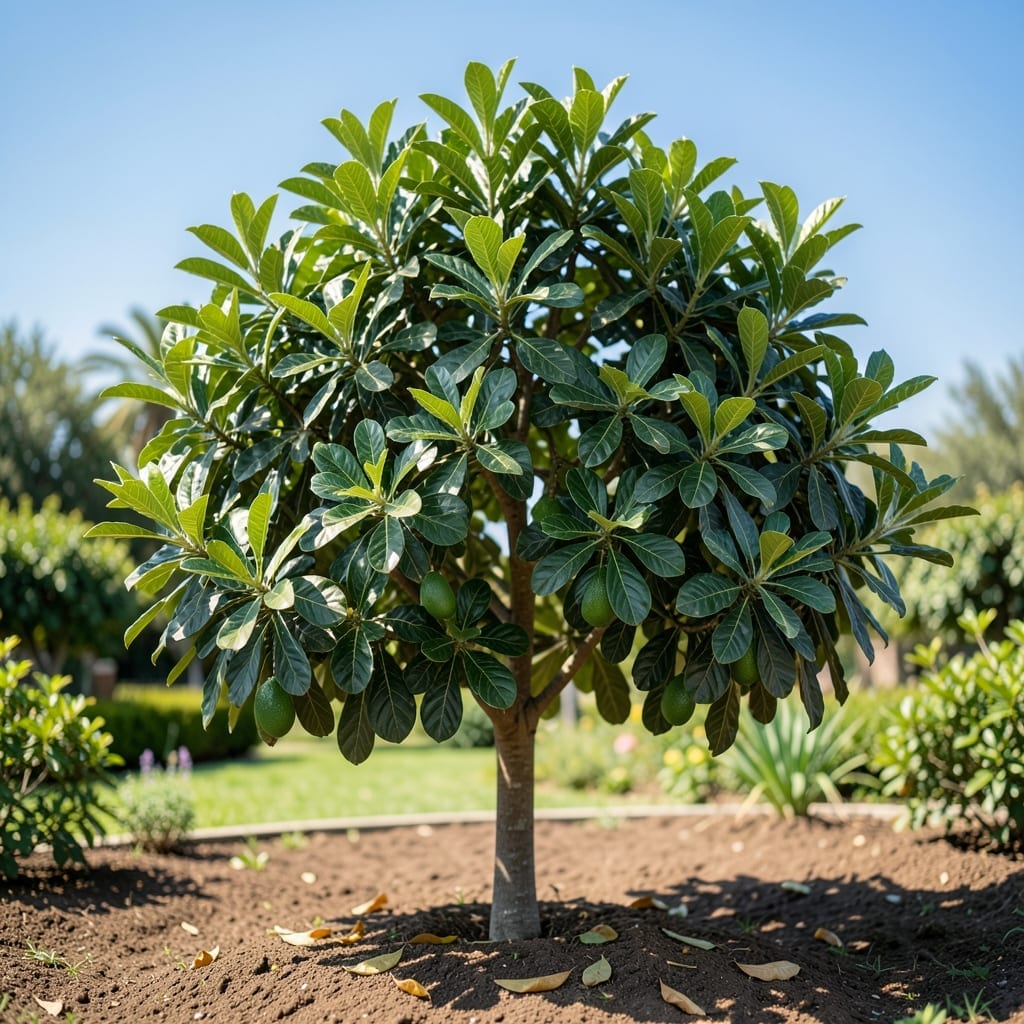
Avocado trees thrive in California’s USDA zones 9-11, where mild winters and warm summers provide ideal conditions. They struggle in colder zones without frost protection.
California’s coastal regions and southern inland valleys offer the perfect microclimates for these trees, with consistent temperatures between 60-85°F. 🔥 I’ve noticed that even within these zones, slight elevation changes can create pockets that are either too cold or too hot, so site selection is crucial for long-term success.
For best results, choose varieties like Hass or Fuerte, which adapt well to the state’s diverse conditions while resisting common pests. ✨
💡 In This Article
Avocado trees require a very specific temperature range to thrive. They grow best in areas where temperatures stay between 60-85°F consistently, with absolute minimum temperatures no lower than 28°F. Below this threshold, the trees suffer frost damage to leaves, fruit, and even bark. 🔥
California’s USDA zones 9-11 provide this stability, particularly in coastal regions where ocean currents moderate temperature swings. Inland areas like Riverside or San Diego offer similar benefits with warm days and cool nights, creating ideal conditions for fruit development. The trees also prefer humidity levels between 40-60% to prevent stress.
What makes California unique is its microclimates. Even within zone 9, a south-facing slope might be 5-10°F warmer than a north-facing one just a few miles away. This allows growers to push the boundaries of where avocados can succeed, especially with cold-hardy varieties like Mexicola. ✨
Soil drainage plays a supporting role too. Avocado roots cannot tolerate waterlogged conditions, which is why California’s well-draining soils work so well. The combination of climate, soil, and careful site selection explains why the state produces 95% of America’s avocado crop.
For best results, plant trees in locations protected from strong winds, which can damage branches and reduce fruit set. A windbreak or sheltered spot can make the difference between a struggling tree and a productive one. 💫
Zones 9-11 offer ideal conditions, especially coastal areas and inland valleys. These regions provide consistent temperatures between 60-85°F with minimal frost risk.
Mexicola tolerates brief dips to 18°F, making it perfect for zone 8 with protection. Hass works well down to 25°F in most of zones 9-11.
Water deeply 2-3 times weekly during the first year. Once established, reduce to weekly deep watering to encourage strong root growth.
Yes! Dwarf varieties like Wurtz stay under 10 feet and thrive in large pots. Ensure good drainage and protect from strong winds.