
Beautiful Plants For Your Interior
Beautiful Plants For Your Interior
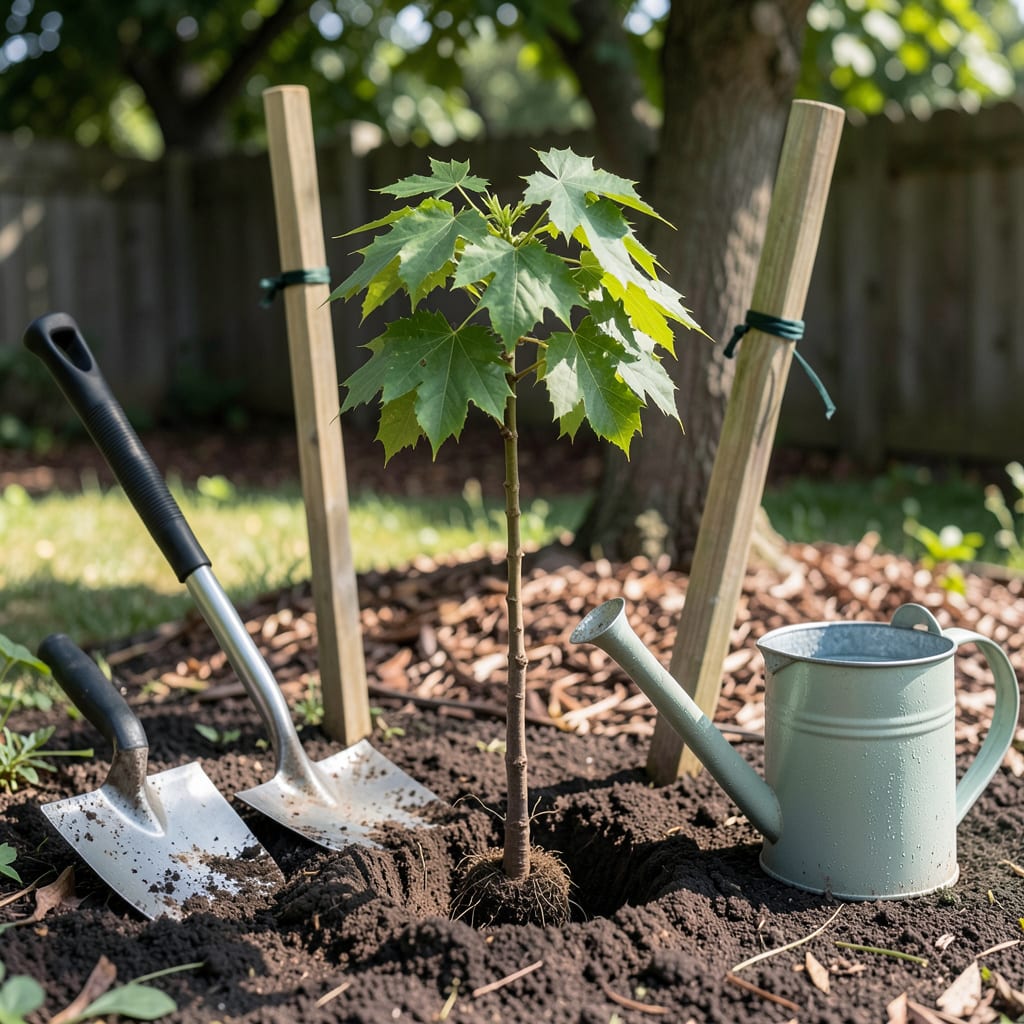
That moment when you finally pick out the perfect 🌳 tree—only to wonder if spring’s planting window has already closed. I’ve been there, and the difference between thriving roots and a struggling sapling often comes down to timing.
Here’s the good news: while early spring is ideal, you might still have time—if you act fast. I’ll break down the exact deadlines for your zone and what to do if you’ve missed them. Let’s make sure your tree gets the strongest start possible.
Timing is everything when planting trees in spring. The key is getting those roots established before summer’s heat hits. In most regions, you’ll want to wrap up planting by early to mid-May, but this shifts dramatically based on your USDA Hardiness Zone. Cooler zones like 3-5 can push into late May, while warmer zones like 8-10 need to finish by March or early April.
Why the rush? Trees planted too late struggle with heat stress and drought conditions, which can stunt growth or even kill young saplings. The sweet spot is after the last frost but before soil temps exceed 70°F. This gives roots time to settle in while avoiding summer’s harshest conditions.
| Zone | Last Frost Date | Planting Deadline | Key Consideration |
|---|---|---|---|
| 3-4 | May 1-15 | Late May | Short season; plant bare-root early |
| 5-6 | April 1-15 | Early May | Ideal for most deciduous trees |
| 7-8 | March 15-30 | Mid-April | Watch for early heatwaves |
| 9-10 | Feb 15-28 | Late March | Drought risk—mulch heavily |
*Adjust for microclimates (urban heat islands, elevation).
If you’re in Zone 7 or warmer, don’t wait until May—your window closes much earlier. I’ve seen gardeners in Zone 9 lose trees planted after April 1 because the soil dries out too fast. For Zone 5-6, that early May cutoff is your best bet, but always check your local frost dates for precision.
Soil temperature is your secret weapon. Use a soil thermometer to check depths of 6 inches—if it’s consistently above 60°F, you’re in the safe zone. Above 70°F, roots start stressing. In Zone 3-4, you might squeeze in a late-May planting if you water deeply twice weekly and mulch with 3-4 inches of wood chips.
For bare-root trees, the deadline is even stricter—aim to plant 2-3 weeks before your zone’s cutoff. These trees lack a root ball, so they’re more vulnerable to transplant shock. Container-grown trees have more flexibility but still need time to acclimate before summer’s peak heat in July-August.
Watch your local 10-day forecast before planting. If nighttime temps are consistently above 60°F, you’re pushing it. In Zone 8-10, I recommend shifting to fall planting if you’ve missed the spring window—it’s often more successful. Fall’s cooler temps and autumn rains give roots a gentler start.
Pro tip: If you’re planting in late spring, choose drought-tolerant species like Live Oak or Bald Cypress. Avoid Japanese Maples or Dogwoods—they’re sensitive to heat stress. And no matter your zone, always water deeply at planting and mulch immediately to lock in moisture.
Still unsure? Grab a soil moisture meter—if the top 2 inches are dry within 24 hours of watering, your window is closing fast. When in doubt, wait for fall. Trees planted under stress often struggle for years, while fall-planted trees typically outperform their spring-planted counterparts.
Remember, these deadlines are guidelines, not hard rules. Your microclimate, tree species, and soil type all play roles. When I planted a Red Maple in Zone 6, I hit the early May deadline but still babied it with shade cloth for the first month. That extra care made all the difference.
Even with the best intentions, sometimes life gets in the way, and that perfect spring planting window slips by. But how do you know if you’ve truly missed your chance? Your garden gives clues—you just need to know where to look. Here are the top 5 red flags that your tree-planting deadline has passed.
First, check your soil temperature. If it’s consistently above 70°F at a 6-inch depth, you’re in the danger zone. Roots struggle to establish in warm soil, especially when paired with rising air temperatures. I always keep a soil thermometer handy—it’s the most reliable way to avoid guessing games.
If 2+ signs apply, consider fall planting or container-growing instead.
Another telltale sign? Look at the trees already in your yard. If they’ve fully leafed out, your new tree will be playing catch-up. In Zone 5-6, this usually happens by late April, while Zone 7-8 sees leaf-out in early March. Planting after this point means your sapling will battle heat stress while trying to grow roots and* foliage.
Nighttime temperatures are sneaky indicators too. When lows stay above 60°F, your tree’s roots will struggle to recover from daytime heat. I’ve seen this happen in Zone 9 as early as April. If your 10-day forecast shows no dip below 60°F, it’s time to reconsider. Instead, focus on prepping the site for fall planting—it’s often the smarter move.
Drought conditions are another dealbreaker. If your area has water restrictions or a dry forecast, late-planted trees will need daily watering to survive. That’s not sustainable for most gardeners. In Zone 10, I’ve watched Crape Myrtles wilt within days when planted after March 15 without irrigation systems. If you can’t commit to deep watering 3x weekly, hold off until cooler weather.
Finally, inspect the trees at your nursery. Are the leaves yellowing or crispy? That’s a sign they’ve been sitting too long in pots. Stress in nursery stock means double the recovery time once planted. I once bought a Redbud in late May that looked healthy but stalled for a year. Now, I only plant container trees if their roots are white and firm—not brown or mushy.
If you’re seeing these signs, don’t panic—you’ve still got options. Container-grown trees can sometimes handle late planting if you shade them for 2-3 weeks and mulch heavily. Or, shift your focus to fall planting, which often yields stronger root systems thanks to cooler temps and autumn rains. I’ve had 90% success with fall-planted Oaks and Maples compared to 60% in late spring.
So you’ve realized it’s too late for spring planting—don’t stress! I’ve been there, and the good news is you’ve still got options. The key is acting fast and choosing the right strategy for your tree type and climate zone. Let’s break down your best moves.
First, consider container-grown trees if you’re only a week or two past your zone’s deadline. These have established root systems that handle late planting better than bare-root. Just be sure to water daily for the first month and use shade cloth if temps exceed 85°F.
For Zones 8-10, skip summer planting—wait for fall!
If you’re in Zone 8-10, I’d strongly recommend waiting for fall. The combination of heat and drought makes summer planting risky. Instead, use this time to prep your planting site: loosen soil, add compost, and mark the spot. Come October-November, you’ll be ready for ideal conditions.
For those determined to plant now, mulching is non-negotiable. Apply 4 inches of wood chips in a 3-foot diameter around the base (keeping it 2 inches from the trunk). This keeps roots cool and retains moisture. Pair it with a drip irrigation system on a timer for consistent watering.
Consider temporary shade solutions like burlap screens or shade cloth at 30-50% density. I’ve saved late-planted Japanese Maples this way in Zone 7. Just remove the shade gradually over 4-6 weeks to acclimate the tree to full sun.
Finally, adjust your expectations. A tree planted late may grow 30-50% slower its first year. Focus on root establishment over foliage growth. If you’re in doubt, remember: fall planting often yields healthier trees with less maintenance and higher survival rates. 🌳
Aim for 60-65°F at 6-inch depth—this is the sweet spot for root establishment. Once soil hits 70°F+, roots struggle with heat stress. Use a soil thermometer for accuracy.
Yes! Container trees have established roots, so they handle late planting better. In Zones 5-7, you can push 1-2 weeks past the spring deadline. Just water daily and use shade cloth if temps exceed 85°F.
The main danger is transplant shock from heat and drought. Late-planted trees often grow 30-50% slower their first year. Mulch heavily and water deeply to mitigate stress.
Fall’s cooler temps and autumn rains create ideal conditions. Trees planted in fall often establish stronger roots with less maintenance. In Zones 8-10, fall is actually the preferred season.
Check for yellowing leaves or crispy edges—these signal stress. Lift the pot: if roots are brown/mushy, skip it. Healthy roots should be white and firm.
