
Beautiful Plants For Your Interior
Beautiful Plants For Your Interior
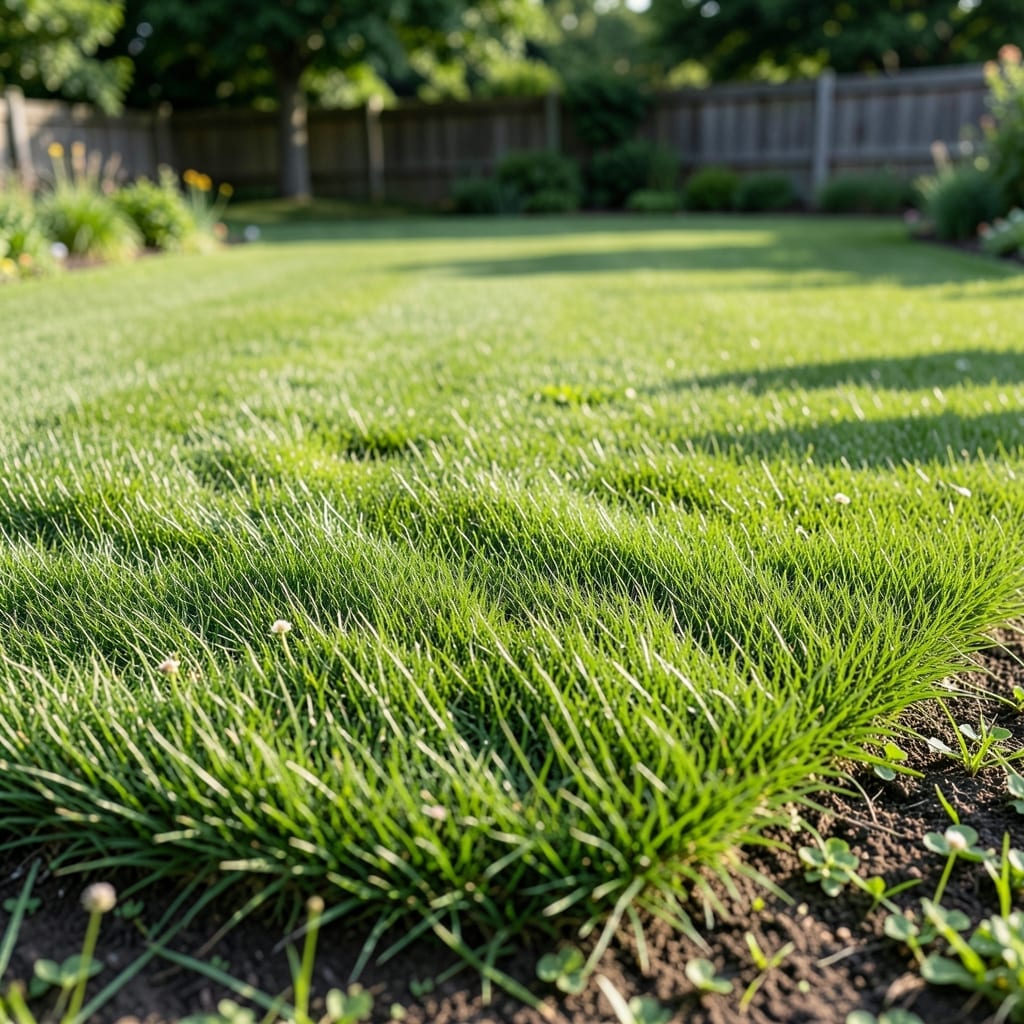
The average residential yard in the US ranges between 0.2 to 0.5 acres, with suburban lots typically measuring 8,000 to 10,000 square feet. Urban yards tend to be smaller, while rural properties often exceed 1 acre.
I’ve found that these dimensions often reflect local zoning regulations and property values. In cities, space comes at a premium, so lots are tighter, while rural areas offer more room for gardens or open land. For perspective, 0.2 acres is roughly the size of a tennis court, giving you a tangible sense of scale. 🔥
What’s fascinating is how these averages shift across regions—coastal cities might have even smaller yards, while Midwestern suburbs often push toward the higher end of the range.
💡 In This Article
Zoning laws play a major role in determining yard sizes. Municipalities often set minimum lot dimensions to control density. In urban areas, these rules might allow 2,500 sq ft lots, while suburban zones commonly require 7,500-10,000 sq ft for single-family homes. This explains why city yards feel cramped compared to their suburban counterparts. 🔥
Regional differences add another layer of variation. In the Northeast, older cities have narrow, deep lots averaging 3,000-5,000 sq ft. Meanwhile, Sun Belt states built after WWII often feature sprawling 0.3-0.5 acre rectangular lots. The shape matters too – flag lots or pie-shaped properties can have unusual dimensions that affect usable space.
Historical development patterns created these disparities. Pre-war neighborhoods typically have smaller, irregular yards. Post-war suburban expansion prioritized larger, more uniform lots. Rural areas follow no strict pattern, with properties often exceeding 1 acre to accommodate agricultural needs or privacy preferences. ✨
Property type significantly impacts dimensions. Townhomes might share 1,500 sq ft of outdoor space, while estate properties can span multiple acres. Even within suburbs, corner lots often gain 10-15% more yard space than interior lots. These variations reflect both practical needs and market demands.
Economic factors drive these differences. Land costs in high-demand areas push developers to maximize housing density. In contrast, lower land prices in rural areas allow for more generous yard allocations. The result is a direct correlation between property value and available outdoor space. ⚡
Urban yards are typically much smaller, often under 3,000 sq ft. Suburban yards usually range from 5,000-10,000 sq ft, offering more space for gardening and outdoor activities. This reflects higher land costs in cities.
Even a 100 sq ft balcony or patio can be functional. With vertical gardening and containers, you can grow herbs, greens, and small vegetables effectively. It’s all about smart space use.
Yes, but space will be tight. A 0.25-acre lot (about 10,890 sq ft) can accommodate a small pool with careful planning. Leave room for seating and landscaping to avoid feeling cramped.
Rural areas have lower land costs and fewer zoning restrictions. Properties often exceed 1 acre to allow for agriculture, privacy, or future expansion. This contrasts with dense urban development.