
Beautiful Plants For Your Interior
Beautiful Plants For Your Interior
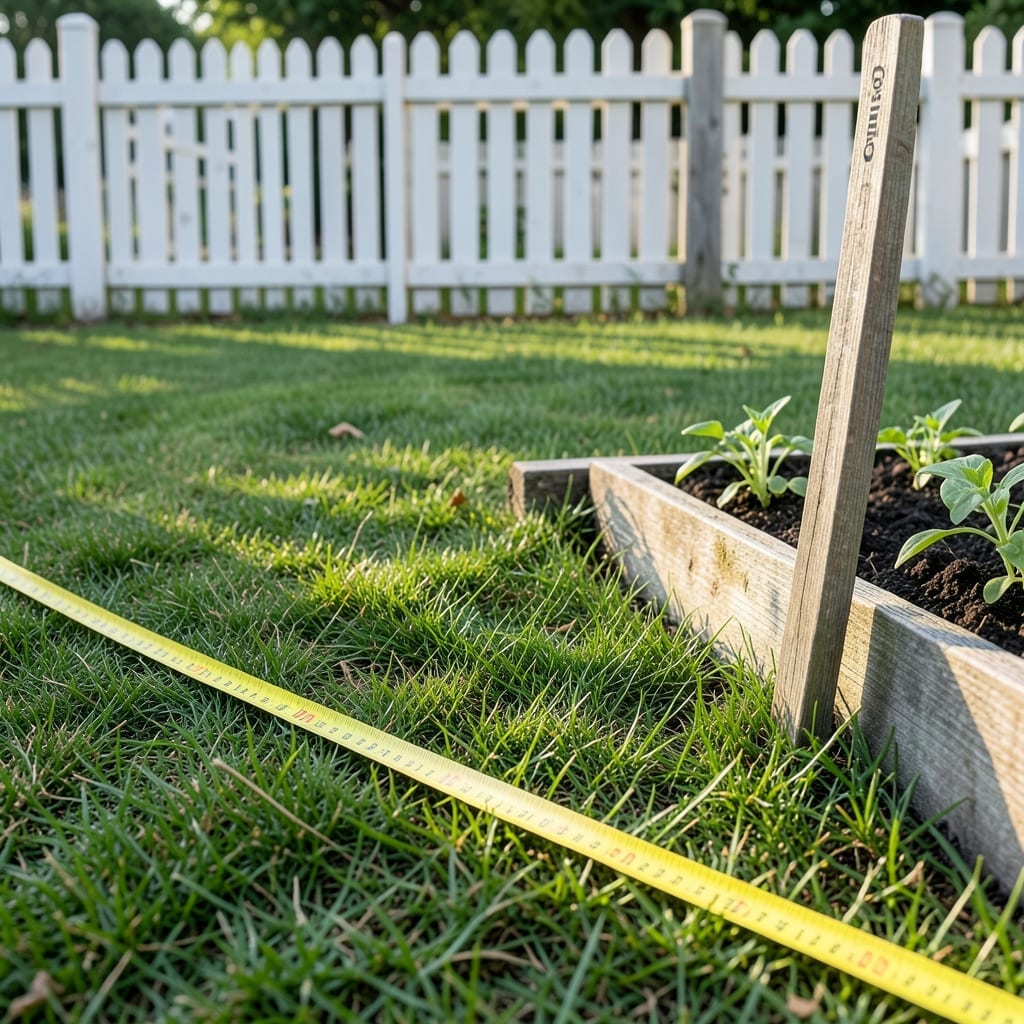
The average backyard size in the U.S. ranges from 1,000 to 5,000 square feet, with suburban lots typically featuring 3,000 to 4,000 square feet for outdoor space.
In my experience, urban areas often skew smaller, while rural properties can stretch far beyond these figures. 5,000 square feet gives ample room for a garden, patio, and play area, whereas 1,000 square feet demands creative space planning. Zoning laws and lot shapes also play a big role in what’s usable. 🔥
💡 In This Article
Regional differences dramatically shape backyard sizes across the U.S. Urban areas like New York or San Francisco often have lots under 2,000 square feet, while suburban neighborhoods in Texas or Arizona commonly feature 5,000-8,000 square feet of outdoor space. Rural properties can exceed 1 acre (43,560 sq ft), offering vast potential for landscaping and agriculture.
🌟
Zoning laws and historical development patterns create striking variations. Post-WWII suburban planning favored larger lots, with many 1950s-60s homes sitting on 1/4 to 1/3 acre plots. Modern urban infill projects often compress this to 1,500-2,500 square feet to maximize housing density. These regulations can mandate minimum lot sizes or limit impervious surfaces. ✨
Property lot shape significantly impacts usable backyard space. Rectangular lots typical in suburban developments provide more functional area than irregular urban lots. A 50×100 foot lot offers 5,000 square feet of rectangular space, while an L-shaped urban lot might have the same area but with awkward corners that reduce practical usage. 💫
Topography and natural features also play a role. Hillside properties in California often have smaller flat areas for backyards, while Midwestern lots typically offer more level, usable space. Waterfront properties may have generous depth but limited width due to shoreline restrictions.
Even soil quality can influence how much of a lot is practically usable for gardens or lawns. 🔥
Economic factors create additional variation. Higher property values in coastal cities often correlate with smaller lots, as developers maximize square footage. In contrast, more affordable inland areas frequently offer larger backyards as a selling point for families seeking outdoor space for children and pets. ⚡
Urban backyards are typically much smaller, often under 2,000 square feet. Suburban yards usually range from 3,000-5,000 square feet, offering more space for gardens and activities. Rural areas can have backyards exceeding 1 acre.
Most pools require at least 400-600 square feet. A 3,000 square foot backyard can typically accommodate a small to medium pool with some remaining space. Always check local zoning laws and setback requirements first.
You can create a usable outdoor space in as little as 500 square feet. This allows for a small patio, some plants, and a narrow pathway. Smart vertical gardening can maximize even tiny spaces.
Rectangular lots provide the most functional area. Odd shapes like L or T often waste space with awkward corners. A 50×100 foot lot gives perfect rectangular space, while irregular lots may need creative landscaping.