
Beautiful Plants For Your Interior
Beautiful Plants For Your Interior
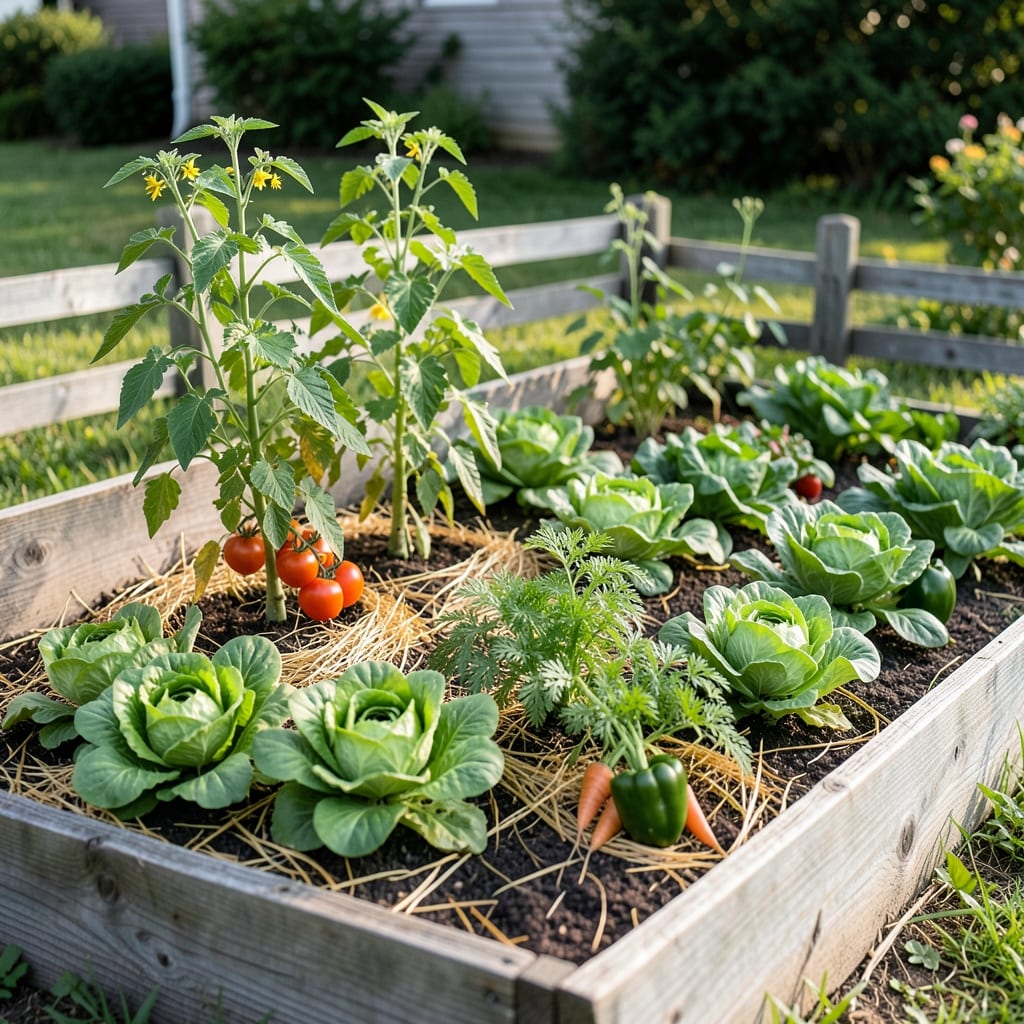
The average home garden ranges from 100 to 500 square feet, with small urban plots around 10×10 feet and larger suburban gardens spanning 20×25 feet or more.
I’ve noticed urban gardeners often work with 10×10-foot spaces, perfect for herbs and compact veggies. Meanwhile, suburban setups with 20×25-foot plots allow for diverse plantings, including fruit trees or row crops. The variation comes down to available land, purpose, and local climate—smaller areas thrive with container gardening, while larger ones accommodate elaborate landscapes. ✨
💡 In This Article
Space constraints are the most obvious factor—urban balconies often limit gardens to 5×5 feet or less, while rural properties can support sprawling 50×100-foot plots. But the real game-changer is plant selection. Leafy greens and herbs need just 6-12 inches of space per plant, while pumpkins and corn demand 3-6 feet between rows.
This dictates how much you can grow in any given area. 🔥
Sunlight exposure shapes your layout too. Most vegetables require 6-8 hours of direct sun daily, so a north-facing urban yard might support only shade-tolerant plants like lettuce or ferns. In contrast, southern exposures allow dense plantings of tomatoes, peppers, and sunflowers.
Climate plays a role as well—warmer zones support year-round gardening, while colder regions may limit active growing seasons to 4-6 months. ✨
Intended use dramatically impacts size. A decorative flower garden can be as small as 50 square feet, while a self-sustaining vegetable garden needs at least 200 square feet per person. Raised beds, often 4×8 feet, maximize space efficiency by improving soil drainage and root depth.
Vertical gardening techniques can double or triple your growing area in compact spaces. 🌟
Water access and soil quality are hidden factors. Gardens over 1,000 square feet typically require irrigation systems, while smaller plots can be hand-watered. Poor soil may necessitate larger spaces to accommodate amendments or crop rotation. And don’t forget local regulations—some municipalities limit garden sizes or prohibit certain plant types entirely. 💫
For example, a 10×20-foot garden can yield about 200 pounds of produce annually in ideal conditions. But that same space in a shady, clay-heavy yard might produce just 50 pounds. The difference comes down to how well you match your garden’s size to its environmental realities and your specific goals.
A 4×4-foot raised bed is the smallest practical size for growing vegetables. This space can yield a surprising amount of produce like lettuce, herbs, and radishes. Even a 2×2-foot container garden works for herbs and small greens.
For a family of four, aim for at least 600-800 square feet to grow enough produce for fresh eating. If you want to preserve food for winter, plan for 1,200-1,500 square feet to accommodate more variety and quantity.
A sunny windowsill can support herbs in 6-inch pots. Balconies can fit container gardens with tomatoes, peppers, and lettuce in 5-gallon pots. Vertical gardens maximize small spaces beautifully.
Standard raised beds are 4×8 feet, allowing easy access from both sides without stepping on soil. For smaller spaces, 3×6-foot beds work well. Keep width under 4 feet so you can reach the center comfortably.