
Beautiful Plants For Your Interior
Beautiful Plants For Your Interior
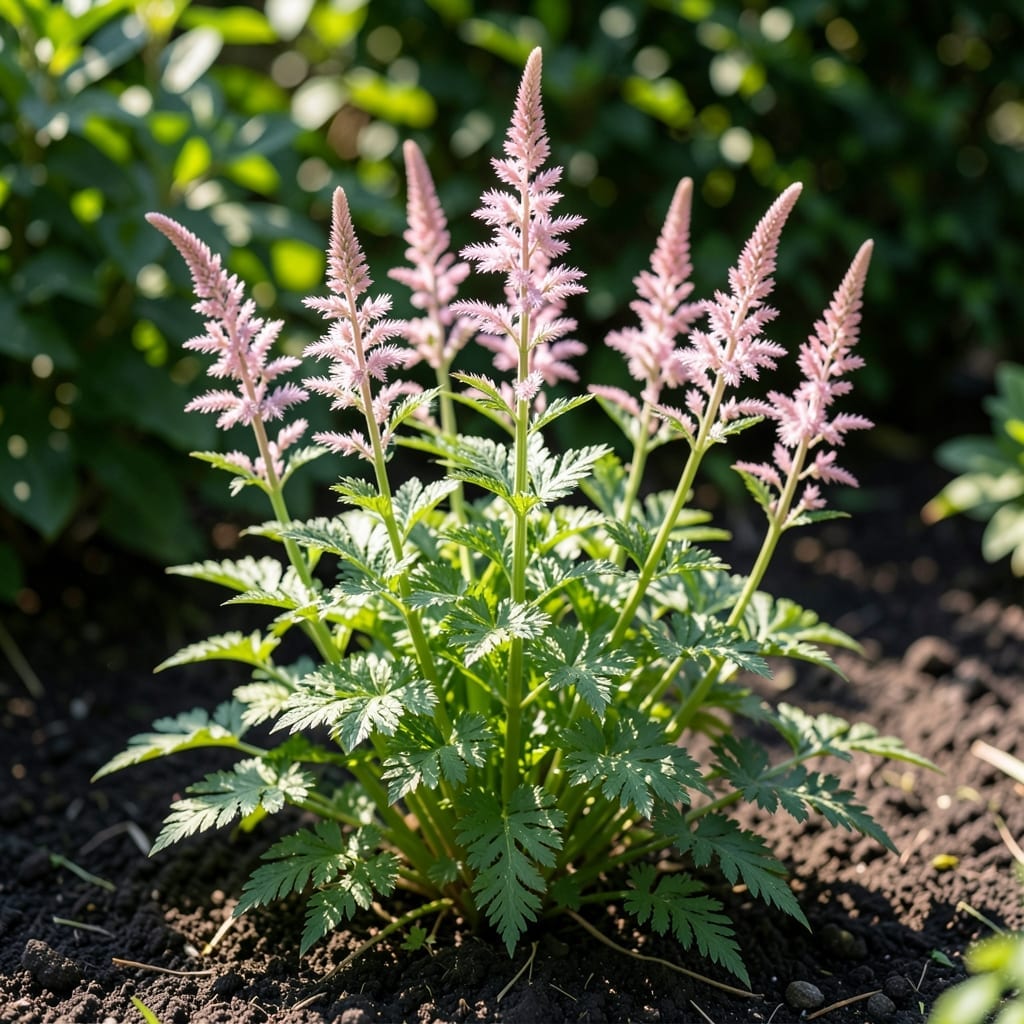
Astilbes bring lush, feathery plumes to shady gardens, but their sun needs often puzzle even experienced gardeners. Getting the light right is the key to maximizing their iconic blooms.
I’ve seen too many 🌸 Astilbe plants struggle in the wrong conditions. The good news? With the right balance, you can enjoy vibrant, healthy growth without the guesswork.
Whether you’re planting in full shade or dappled sunlight, understanding their preferences makes all the difference. It’s not just about survival—it’s about thriving.
Discover how to create the perfect environment for your Astilbe, no matter your garden’s layout or climate. Let’s make those plumes pop!

If you’ve ever struggled with astilbe sun requirements, you’re not alone. These shade-loving perennials thrive with partial sunlight, but the right balance is crucial for vibrant, healthy growth and those signature feathery blooms.
Most astilbe varieties prefer 4-6 hours of light daily, ideally in the morning. This gentle exposure encourages lush foliage and abundant flowers without risking leaf scorch from harsh afternoon rays.
| Requirement | Specification |
|---|---|
| Ideal Light | Partial Shade |
| Daily Sun Hours | 4-6 Hours |
| Best Sun Type | Morning or Dappled |
| Afternoon Sun | Avoid Harsh Direct |
| Full Shade Tolerance | Yes, but Blooms Reduce |
While astilbes tolerate full shade, they may produce fewer blooms and grow leggy. In contrast, too much direct sun—especially in hot climates—can scorch their delicate leaves, leaving you with a sad, wilted plant.
I’ve found that dappled sunlight under trees or along east-facing borders works beautifully. This setup mimics their natural woodland habitat, giving them the light they need without the stress of intense heat.
For gardeners in warmer USDA zones, like 7-9, it’s wise to lean toward the shadier end of their tolerance. In cooler zones, like 4-6, astilbes can handle a bit more sun, especially if the soil stays consistently moist.
Variety matters too. Some newer hybrids, like ‘Fanal’ or ‘Bridal Veil’, are bred for better sun tolerance, but even these perform best with some afternoon shade in most regions.
If your garden gets intense midday sun, consider planting astilbes where they’ll receive protection during the hottest hours. A light-colored mulch can also help reflect heat and keep roots cool.
Don’t forget that microclimates in your yard can make a big difference. A spot near a north-facing wall or under a high canopy might offer just the right amount of filtered light for thriving astilbes.☀️
In my experience, the key is observation. If your astilbe’s leaves start to yellow or brown at the edges, it’s likely getting too much sun. On the flip side, sparse blooms or weak stems often signal a need for more light.
With the right balance, you’ll be rewarded with season-long color and feathery plumes that brighten up even the shadiest corners of your garden.🌿
Finding the perfect spot for astilbes means balancing light and shade. These plants thrive in partial shade, especially with morning sun and afternoon protection. I’ve seen them flourish under dappled tree canopies or along east-facing walls. ☀️
In hotter climates, I recommend full shade to prevent leaf scorch. Cooler regions can handle more sun, but 6+ hours may stress them. Always observe your garden’s microclimates for the best results. 🌿
If your garden lacks natural shade, I suggest using shade cloth or planting near taller perennials. This mimics their native woodland conditions and keeps foliage lush. Avoid south-facing spots without protection. ✂️
For container-growing, place pots where they get 4-6 hours of gentle morning sun. I’ve found east-facing balconies work wonderfully. Just rotate pots occasionally for even growth and vibrant plume production.
In my experience, soil moisture and sun exposure go hand in hand. Astilbes in shadier spots need less water, while those in sunnier areas require more frequent deep watering. Always mulch to retain moisture.
Finally, watch for seasonal changes. As the sun shifts, you may need to adjust plant positions or add temporary shade. This small effort keeps your astilbes blooming beautifully all season long. 🌱