
Beautiful Plants For Your Interior
Beautiful Plants For Your Interior
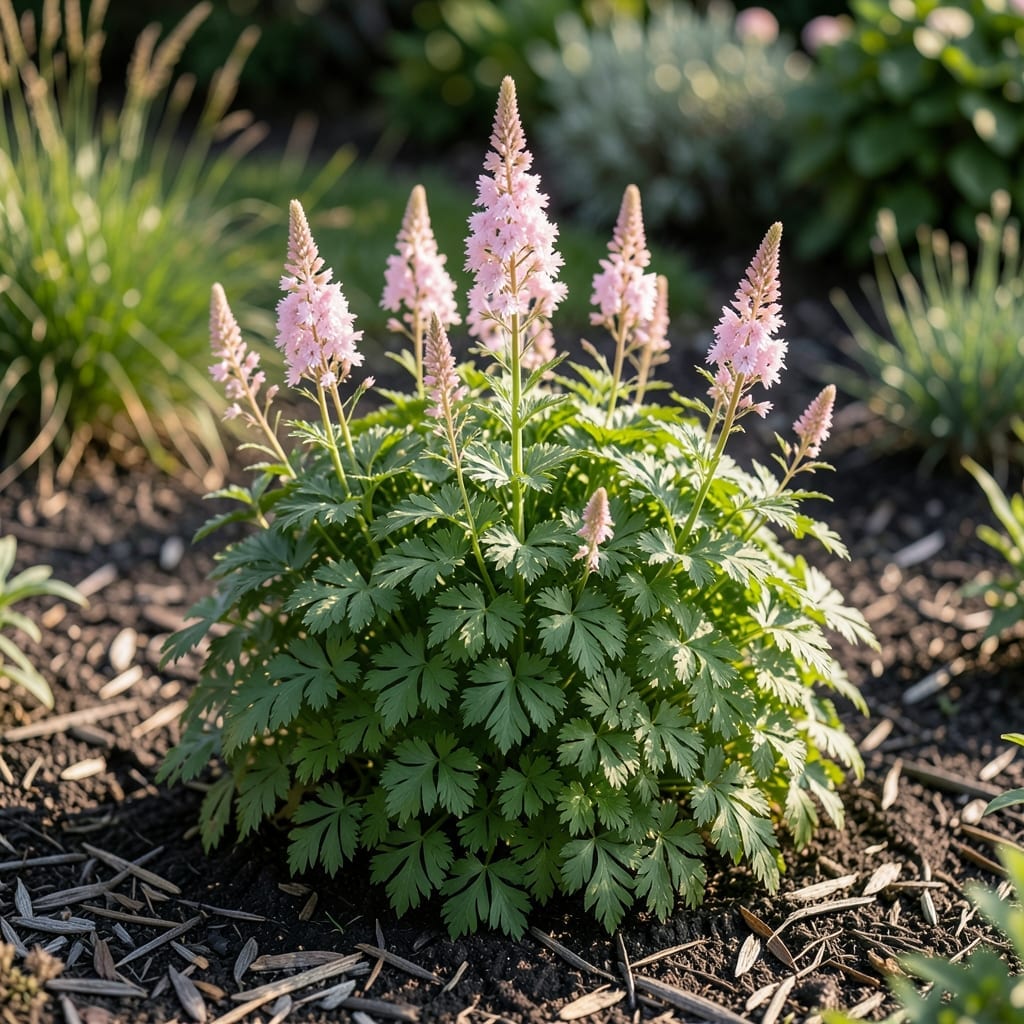
Curling astilbe leaves always mean your plant is trying to tell you something. I’ve seen this happen most often when the soil gets too dry or the roots sit in water for too long.
Sometimes it’s pests hiding under the foliage or a fungus taking hold after wet weather. The good news is that most causes have simple fixes once you know what to look for.
You’ll be back to those feathery, lush plumes in no time with a little attention to watering habits and plant health. Early action makes all the difference.
Works for container plants too, though they often need more frequent watering checks. Here’s how to diagnose and treat it properly.
Astilbe leaves curling is often a sign of stress or imbalance in the plant’s environment or care routine. Below are the most common causes, each with scientific explanations to help you diagnose and address the issue effectively.
Underwatering causes leaves to curl inward as the plant conserves moisture. Astilbes thrive in consistently moist soil, and drought stress triggers a survival response: reduced surface area to minimize water loss through transpiration. On the other hand, overwatering can lead to root rot, which impairs the plant’s ability to absorb water and nutrients, also resulting in curled or wilted foliage.
Astilbes are shade-loving perennials. When exposed to direct, intense sunlight, especially in hot climates, their leaves may curl to protect themselves from UV damage and excessive transpiration. This is a form of photoprotection, where the plant reduces its surface area to limit light absorption and water loss.
Extreme heat or cold can stress astilbes, leading to leaf curling. High temperatures accelerate water evaporation, while sudden cold snaps can damage cell structures. In both cases, the plant responds by curling its leaves to minimize exposure and conserve energy.
A lack of essential nutrients, particularly magnesium or potassium, can cause leaf curling. Magnesium is vital for chlorophyll production, and its deficiency leads to interveinal chlorosis and leaf distortion. Potassium, on the other hand, regulates water movement within the plant. Low levels disrupt osmotic balance, causing leaves to curl and edges to brown.
Pests like aphids or spider mites can cause astilbe leaves to curl as they feed on the plant’s sap. This feeding disrupts the flow of nutrients and water, leading to distorted growth. Additionally, some pests inject toxins that further stress the plant, exacerbating the curling effect.
When your astilbe’s leaves start curling, the solution often depends on the root cause. Here’s how to tackle each issue and prevent it from happening again.
Fix: Water deeply at the base of the plant in the early morning or late evening to reduce evaporation. Aim for 1–1.5 inches of water per week, increasing during heatwaves. Mulch around the base with organic material (like bark or straw) to retain moisture.
Prevention: Plant astilbes in partial shade, especially in hotter climates. Group them with other plants to create a microclimate with higher humidity.
Fix: Stop watering immediately and check the soil—if it’s soggy, let it dry out. For potted astilbes, ensure the container has drainage holes. If root rot is suspected, trim affected roots and repot in fresh, well-draining soil.
Prevention: Use a moisture meter to monitor soil conditions. Amend heavy clay soil with compost or sand to improve drainage.
Fix: For aphids or spider mites, spray leaves with a strong jet of water to dislodge them. Apply neem oil or insecticidal soap weekly until pests are gone. Prune heavily infested leaves to contain the problem.
Prevention: Encourage beneficial insects like ladybugs by planting companion flowers (e.g., marigolds). Inspect leaves regularly for early signs of pests.
Fix: Test your soil with a kit to confirm deficiencies. For nitrogen deficiency (pale, weak growth), apply a balanced fertilizer (10-10-10) or compost. For magnesium (yellowing between veins), use Epsom salt (1 tablespoon per gallon of water) as a foliar spray.
Prevention: Fertilize astilbes once in spring and again after flowering. Top-dress with compost annually to maintain soil fertility.
Fix: Prune curled or tattered leaves to reduce stress. Stake tall varieties or move potted plants to a sheltered spot.
Prevention: Plant astilbes in protected areas, such as near fences or walls. Choose compact cultivars if you live in a windy region.
💡 Pro Tip: Always water at the soil level to keep leaves dry and prevent fungal issues. Healthy, stress-free plants are less likely to develop curling leaves!
Water astilbe 2-3 times per week, ensuring soil stays consistently moist but not soggy. Adjust to daily in extreme heat or drought conditions.
Yes! Astilbe thrives in partial shade. More than 4-6 hours of direct sun can scorch leaves, causing them to curl for protection.
Aphids and spider mites are the most common culprits. They suck sap from leaves, causing distortion. Check leaf undersides and treat with neem oil if found.
New growth will look healthy, but severely curled leaves may not straighten. Prune damaged foliage to redirect energy to fresh, vibrant plumes.