
Beautiful Plants For Your Interior
Beautiful Plants For Your Interior
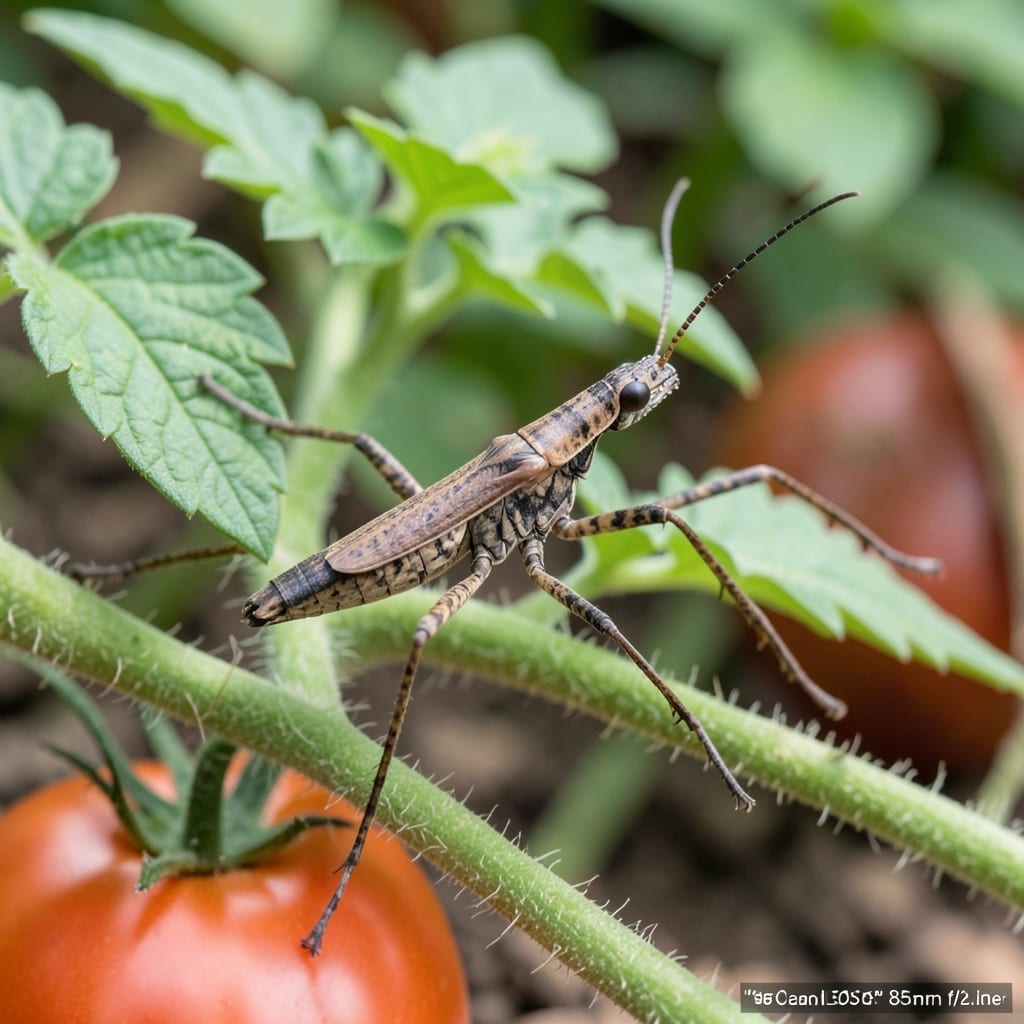
Spotted a strange bug on your tomato plants? Don’t panic. Assassin bugs are common visitors, but their role in your garden might surprise you.
These elongated insects with curved beaks can actually be allies—they prey on pests like aphids and caterpillars. The catch? They might also take an occasional nibble on your plants. Identifying them early helps you decide whether to manage or encourage them.
Organic control starts with observation. Remove them by hand if they’re causing damage, or let them stay if they’re targeting worse pests. A balanced approach keeps your garden thriving without chemicals.
Prevention is simple: maintain healthy plants and diversify your garden. Strong tomatoes resist minor damage, and a variety of plants attracts beneficial insects that keep assassin bugs in check.
Assassin bugs may show up in your tomato garden for several natural reasons. These beneficial predators are drawn to environments where their prey thrives, and your tomato plants might be unintentionally rolling out the welcome mat. Below are the key factors that attract them:
Assassin bugs primarily feed on soft-bodied insects like aphids, whiteflies, and caterpillars—common pests of tomato plants. If your garden has an infestation of these pests, assassin bugs will naturally migrate to the area to hunt. Reducing pest populations through companion planting or row covers can make your tomatoes less appealing to these predators.
Tomato plants provide dense foliage and shelter, which assassin bugs favor for hunting and laying eggs. Overgrown or tightly spaced plants create the perfect hiding spots for both prey and predator. Pruning excess foliage and maintaining proper plant spacing can discourage their presence while still allowing beneficial insects to thrive.
Like many insects, assassin bugs are attracted to consistent moisture sources. Overwatered tomato plants or poor drainage can create humid conditions that draw them in. Ensure proper irrigation practices—water at the base of plants in the morning to allow foliage to dry, reducing appeal to assassin bugs and other pests.
If your garden lacks biodiversity, assassin bugs may dominate due to the absence of competing predators or repellent plants. Introducing companion plants like marigolds, basil, or garlic can help deter them while supporting a balanced ecosystem.
Dealing with assassin bugs on your tomatoes doesn’t have to mean reaching for harsh chemicals. Try these practical solutions to protect your garden while keeping it organic and thriving.
If you spot a few assassin bugs, the simplest fix is to handpick them early in the morning or late evening when they’re less active. Drop them into a bucket of soapy water to ensure they don’t return. Wear gloves to avoid their painful bite!
Prevention tip: 💡 Inspect plants regularly, especially the undersides of leaves where bugs love to hide.
Assassin bugs are predators themselves, but they can be outcompeted by beneficial insects like ladybugs, lacewings, or parasitic wasps. Plant companion flowers such as marigolds, alyssum, or dill to attract these allies.
Prevention tip: 🌡️ Maintain a diverse garden ecosystem to keep pest populations in balance naturally.
Protect young tomato plants with floating row covers to physically block assassin bugs from reaching them. Secure the edges with soil or weights, and remove covers once flowers appear to allow pollination.
Prevention tip: ✨ Rotate row covers between different crops to avoid giving pests a permanent home.
A weekly spray of neem oil disrupts the life cycle of assassin bugs and deters them from laying eggs. Mix 1 tablespoon of neem oil with 1 quart of water and a few drops of dish soap, then spray evenly on both sides of leaves.
Prevention tip: 🎯 Apply in the early morning or late afternoon to avoid harming bees and other pollinators.
They can be both helpful and harmful. Assassin bugs eat pests like aphids but may also pierce tomato stems to feed on sap. Monitor for wilting or spotted leaves to gauge their impact.
Look for their long, curved beak and elongated bodies, often 1/2 to 1 inch long. Many have a distinctive “mask” pattern on their faces. They move slowly compared to other garden bugs.
Use gloves and handpick them in the morning when they’re sluggish. Drop them into soapy water to prevent return. Avoid crushing them—they release a foul odor.
They may return if prey like aphids remains. Combine removal with companion planting (marigolds, basil) to deter pests and reduce their food source.