
Beautiful Plants For Your Interior
Beautiful Plants For Your Interior
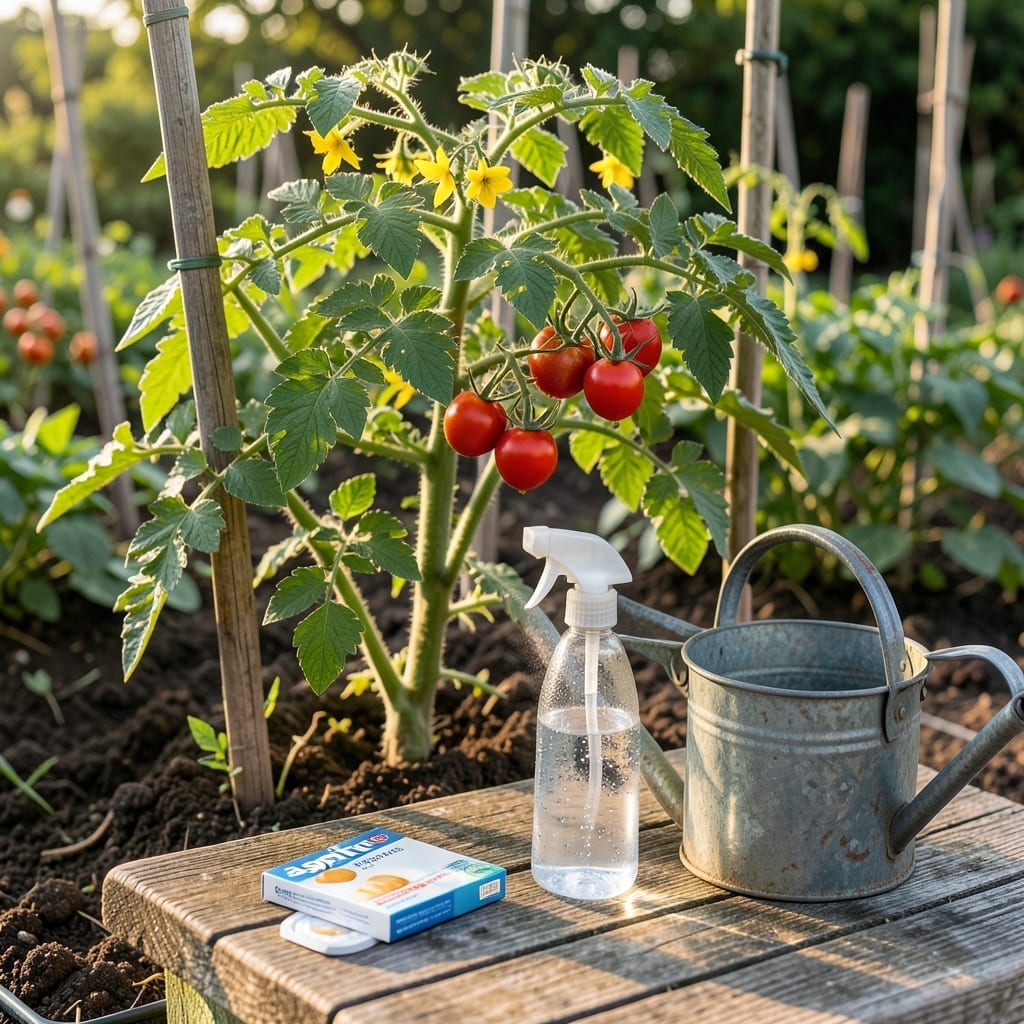
I almost lost my entire tomato crop to blight last summer. Then I discovered a simple household item could have saved them all.
Regular aspirin contains salicylic acid, which boosts a tomato plant‘s natural defenses against disease and stress. It’s not a cure-all, but it’s a game-changer for prevention. My plants now resist blight better and recover faster from pest damage.
One crushed tablet in a gallon of water, sprayed weekly, makes a noticeable difference. The solution is easy to prepare and costs almost nothing compared to commercial treatments.
This method works for both container and in-ground plants. I’ve seen stronger growth and healthier leaves within 2-3 weeks of starting the treatment.
Understanding why tomato plants sometimes falter is key to using aspirin effectively. Here are the primary causes behind common tomato plant stress:
Tomatoes are highly susceptible to pathogens like Alternaria solani (early blight) and Pseudomonas syringae (bacterial speck). These organisms thrive in warm, humid conditions, attacking leaves and stems. Aspirin (acetylsalicylic acid) mimics salicylic acid, a natural plant hormone that triggers systemic acquired resistance (SAR), helping plants fight off infections.
Drought, excessive heat, or poor soil quality can weaken tomato plants, making them more vulnerable to disease. Salicylic acid (from aspirin) helps regulate stomatal closure, reducing water loss under heat stress while boosting antioxidant production to counteract oxidative damage.
Lack of essential nutrients like calcium or potassium can lead to disorders such as blossom end rot. While aspirin doesn’t replace fertilization, its role in enhancing nutrient uptake efficiency can indirectly support healthier growth.
By addressing these root causes, aspirin acts as a supportive tool to strengthen tomato plants’ natural defenses.
When your tomato plants show signs of stress, disease, or slow growth, a simple aspirin solution can work wonders. Below are targeted fixes for common issues, paired with prevention tips to keep your plants thriving.
Fix: Dissolve 1 uncoated aspirin (325 mg) in 1 gallon of water and spray the leaves and stems every 2–3 weeks. The salicylic acid in aspirin boosts the plant’s natural defenses. For active infections, remove affected leaves first, then apply.
Prevent: Avoid overhead watering to reduce moisture on leaves. Space plants properly for airflow.
Fix: Soak seeds in an aspirin solution (1 tablet per cup of water) for 1 hour before planting to encourage stronger root development. For established plants, use a foliar spray (same 1:1 ratio) weekly until growth improves.
Prevent: Use well-draining soil and ensure seedlings get 6–8 hours of sunlight daily.
Fix: Spray plants with the aspirin mixture (1 tablet per gallon) to deter pests naturally. The solution disrupts pests’ feeding patterns without harming beneficial insects like bees.
Prevent: Introduce companion plants like basil or marigolds to repel pests organically.
Fix: Apply a foliar spray (1 aspirin per gallon) after transplanting or during heatwaves to reduce stress. The salicylic acid mimics a plant’s natural stress response.
Prevent: Mulch around the base to retain moisture and regulate soil temperature.
Pro Tip 🎯: Always use plain, uncoated aspirin—coated or gel tablets won’t dissolve properly. Test the spray on a small area first to check for sensitivity.
For prevention, spray every 2-3 weeks. If treating active disease, apply weekly until symptoms subside. Always use in the morning for best absorption.
Only uncoated, plain aspirin works. Coated or gel capsules won’t dissolve properly and may clog your sprayer.
No, the solution is safe for bees and ladybugs. It only targets pests like aphids by disrupting their feeding patterns.
You may notice improved plant vigor within 1-2 weeks. For disease resistance, full benefits appear after 3-4 applications.