
Beautiful Plants For Your Interior
Beautiful Plants For Your Interior
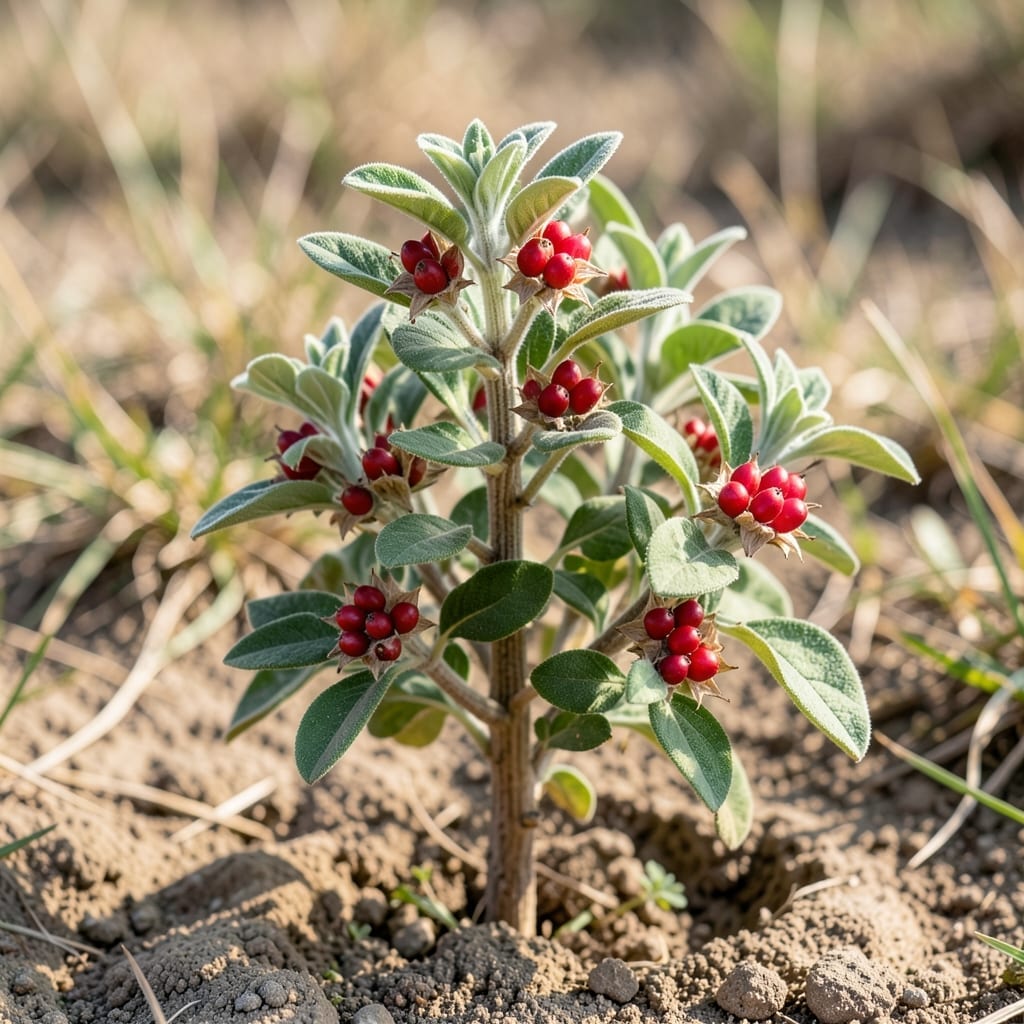
Ashwagandha thrives in USDA hardiness zones 8 through 11, preferring warm climates with temperatures between 70-95°F and well-draining soil for optimal growth.
This adaptogenic herb is frost-sensitive, so it truly flourishes where winter temperatures stay above 32°F. I’ve found that sandy or loamy soil works best, as it prevents root rot while retaining just enough moisture. For gardeners in cooler regions, containers can be a game-changer since you can move plants indoors when the weather turns. 🌟
💡 In This Article
Ashwagandha’s native habitat in India and the Middle East explains its love for heat. The plant’s metabolism thrives at 80-90°F, where it can photosynthesize efficiently and develop its signature withanolide compounds. Below 50°F, growth slows dramatically as enzyme activity drops.
This is why USDA zones 8-11, with their mild winters, provide the ideal thermal envelope for year-round cultivation. 🌟
Frost is the plant’s nemesis. Even a light freeze at 32°F can damage leaves and stems, while sustained cold below 25°F often proves fatal. The plant lacks the antifreeze proteins that protect cold-hardy species. In zone 8, gardeners must watch for late spring frosts, while zone 11’s year-round warmth allows continuous growth with proper care.
Humidity plays a supporting role. Ashwagandha tolerates dry air but prefers 40-60% humidity, which balances transpiration needs. Too much moisture invites fungal diseases like powdery mildew, while arid conditions stress the plant. The sweet spot mimics its natural desert-edge ecosystems, where brief monsoon rains are followed by dry periods. ✨
Seasonal changes trigger key growth phases. Warm springs initiate leafy growth, while summer heat (90°F+) signals the plant to focus on root development. In zones 10-11, ashwagandha may produce berries year-round, but in zone 8, the shorter growing season typically yields one harvest per year.
This adaptability makes it a favorite for permaculture gardeners in warm climates.
Soil temperature matters as much as air temperature. Roots grow best when soil stays between 70-85°F. In cooler zones, black plastic mulch can warm the soil by 5-10°F, extending the growing season. This simple trick often makes the difference between a struggling plant and a thriving one in marginal areas. 🔥
It can handle brief dips to 32°F, but sustained cold below 25°F will kill it. Even light frost damages leaves, so protect plants in zone 8 winters.
Yes! Use 5-gallon pots and move indoors when temps drop below 50°F. A sunny windowsill or grow lights keep it thriving through winter.
Aim for full sun (6-8 hours). In zone 11’s heat, afternoon shade prevents leaf scorch. South-facing walls help in cooler zones.
Harvest in fall or early winter when plants are 4-6 months old. This is when withanolide content peaks for maximum potency.