
Beautiful Plants For Your Interior
Beautiful Plants For Your Interior
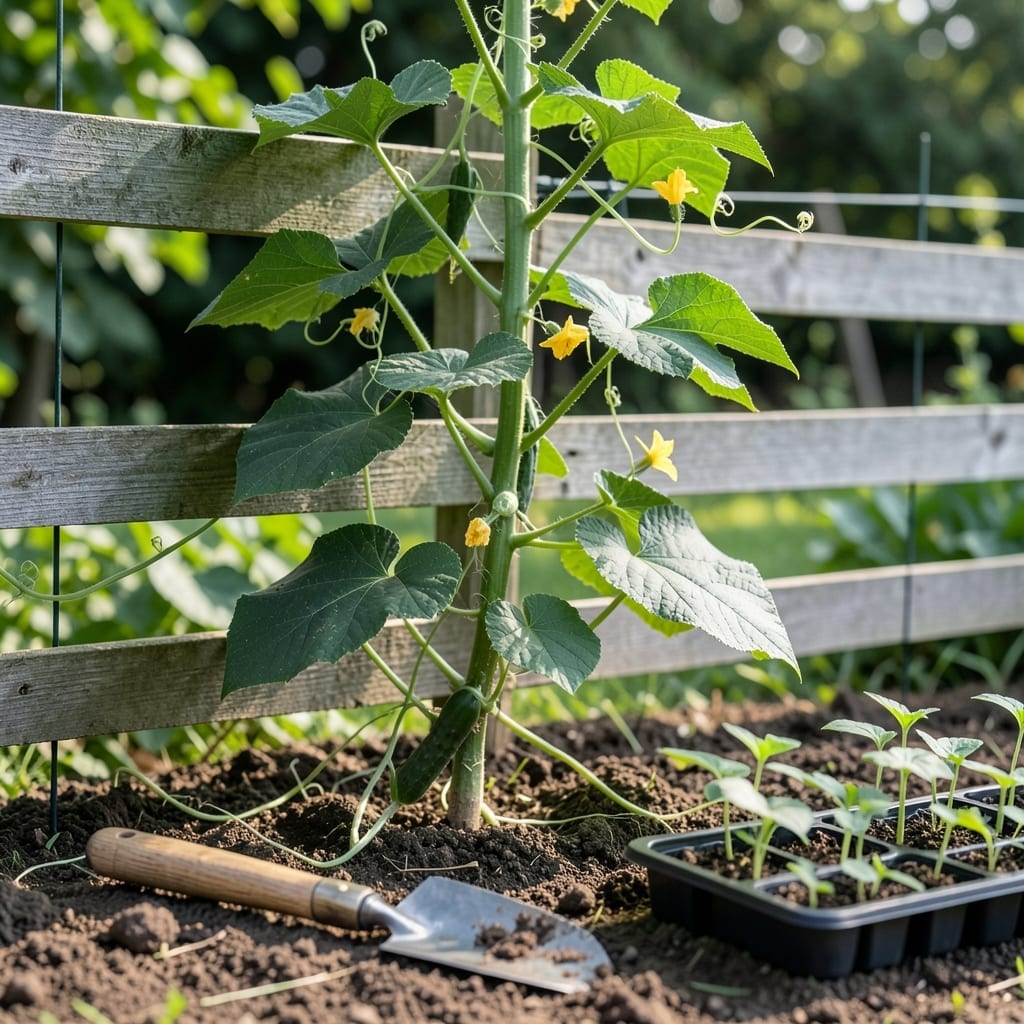
Transform unused fence space into a thriving garden by planting vertically with climbers, pocket planters, or trellises. Ideal for small yards, this method maximizes space and adds lush greenery to bare walls.
I love how this approach turns a plain boundary into a living wall of color and texture. 🌟 It works especially well with vigorous growers like clematis or Pole beans, which quickly cover large areas. Plus, it keeps plants off the ground, reducing pest issues and making maintenance easier for me.
💡 In This Article
Vertical gardening leverages a fence’s height to create layers of growth. Plants like ivy, pole beans, or jasmine use natural tendrils or twining stems to climb upward, converting bare wood into a living tapestry. This method works because it redirects growth from horizontal to vertical, saving ground space while adding privacy and shade. 🔥
Structural support varies by plant type. Light climbers like sweet peas need only a simple trellis, while heavier vines such as wisteria require sturdy fences or additional wire frameworks to bear 15-25 lbs of weight.
The fence itself acts as a natural guide, but adding horizontal slats or mesh can increase surface area for tendrils to grab. ✨
Space optimization comes from stacking growth zones. Instead of spreading 6-8 feet across soil, a single fence panel can support multiple plant tiers. This creates microclimates where lower plants get shade from upper foliage, allowing you to grow shade-tolerant herbs beneath sun-loving climbers.
The vertical arrangement also improves air circulation, reducing fungal diseases common in dense ground plantings. 💫
Water and nutrient distribution changes in vertical setups. Drip irrigation lines along the top ensure even watering without waste, as gravity feeds lower levels. Using pocket planters with 1-2 gallon capacities lets you control soil quality for each plant type. This targeted approach prevents resource competition that occurs when different plants share ground space. ⚡
Light exposure becomes more dynamic. South-facing fences get full sun, perfect for tomatoes or passionflower, while north-facing walls suit ferns and climbing hydrangeas. The fence’s height creates varying light intensities, allowing you to match plants to their ideal conditions within the same structure. 🌟
Morning glories and star jasmine grow 6-10 feet in a single season. For edible options, pole beans and cucumbers thrive vertically and produce abundant harvests quickly.
Yes, heavier plants like wisteria require sturdy fences or additional wire frameworks to support their 15-25 lbs of weight. Light climbers like sweet peas need only a simple trellis.
Pair delicate sweet peas with bold honeysuckle for visual interest. Place shade-tolerant herbs beneath sun-loving climbers to maximize space and create microclimates.
Use drip irrigation lines along the top so gravity feeds lower levels evenly. Pocket planters with 1-2 gallon capacity let you control soil moisture for each plant type.