
Beautiful Plants For Your Interior
Beautiful Plants For Your Interior
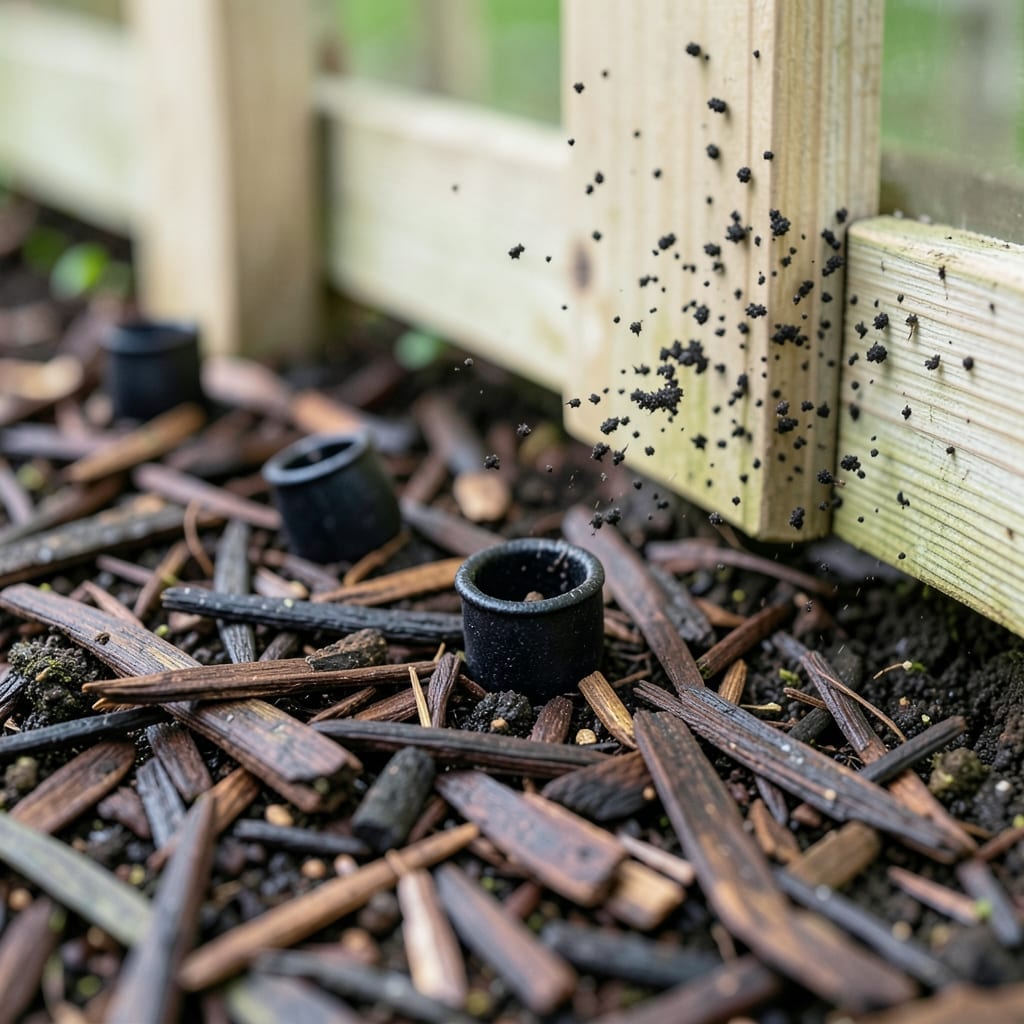
Those tiny black specks on your house aren’t dirt. I learned the hard way that artillery fungus in mulch launches spores that stick like glue to siding, cars, and windows. It spreads fast and ruins curb appeal.
The problem starts with wood mulch that stays too wet. The fungus loves untended piles and thick layers. I switched to cedar mulch and now check moisture levels weekly—no more surprise outbreaks.
You’ll stop the spread by removing infected mulch and improving airflow. A 3-inch layer of fresh, dry mulch prevents regrowth. Your garden stays clean, and your home stays spot-free.
Works for any landscape, from small beds to large yards. Here’s how to fix it for good.
The appearance of artillery fungus in mulch is no accident—it thrives under specific environmental conditions. Understanding these triggers helps you prevent its spread and protect your garden. Below are the primary causes, explained with scientific clarity.
Artillery fungus (Sphaerobolus stellatus) flourishes in damp, waterlogged mulch. When organic mulch (like wood chips or bark) retains too much moisture—due to poor drainage, overwatering, or high humidity—it creates the perfect breeding ground. The fungus feeds on decomposing wood, and soggy conditions accelerate its growth and spore production.
This fungus is a saprophyte, meaning it decomposes dead plant material. Fresh, nitrogen-rich mulches (e.g., hardwood chips or leaf litter) provide abundant nutrients. The more organic matter present, the more the fungus proliferates, launching its sticky spores (up to 20 feet!) to spread.
Artillery fungus thrives in temperatures between 50–80°F (10–27°C) and prefers shaded areas where sunlight can’t dry out the mulch. Gardens under trees, dense shrubbery, or north-facing beds are prime targets. Limited airflow in these spots also reduces evaporation, keeping the mulch damp.
Old, compacted mulch layers trap moisture and decaying matter, creating a haven for spores. If mulch isn’t aerated or replaced periodically, it becomes a long-term host. Even a thin layer of infected mulch can reintroduce the fungus year after year.
By addressing these conditions—improving drainage, using less organic-heavy mulch, or increasing sun exposure—you can disrupt the fungus’s lifecycle before it takes over.
Dealing with artillery fungus in your mulch doesn’t have to be a losing battle. Here’s how to tackle each issue and prevent future outbreaks.
If your mulch is already riddled with fungus, remove it immediately to stop spores from spreading. Replace it with fresh, fungus-resistant mulch like cedar, cypress, or pine bark. For extra protection, treat the new mulch with a vinegar solution (1 part white vinegar to 3 parts water) before laying it down. This creates an inhospitable environment for spores.
Artillery fungus thrives in damp conditions. Rake your mulch regularly to break up compacted layers and allow airflow. If the area stays soggy, add a layer of coarse sand or gravel beneath the mulch to improve drainage. Avoid overwatering, and water in the morning so surfaces dry by evening.
Those sticky spores cling to everything—siding, cars, windows. Scrub affected surfaces with soapy water or a bleach solution (1 part bleach to 10 parts water) to remove them. To prevent regrowth, apply a fungicide labeled for outdoor use. Keep mulch at least 6 inches away from your home’s foundation and other structures.
It appears as tiny, black, speck-like spores often clustered on surfaces near mulched areas. These spots are sticky and difficult to remove once they adhere to siding, windows, or vehicles.
Spores can launch up to 20 feet from the infected mulch. This impressive range means even distant surfaces can become contaminated if conditions are right.
No, infected mulch should be completely removed and disposed of. Even after treatment, spores may remain, risking reinfestation. Always replace with fresh, fungus-resistant mulch.
Yes! UV rays inhibit fungal growth, so placing mulch in sunny areas helps. Avoid deep shade where moisture lingers and conditions favor spore development.