
Beautiful Plants For Your Interior
Beautiful Plants For Your Interior
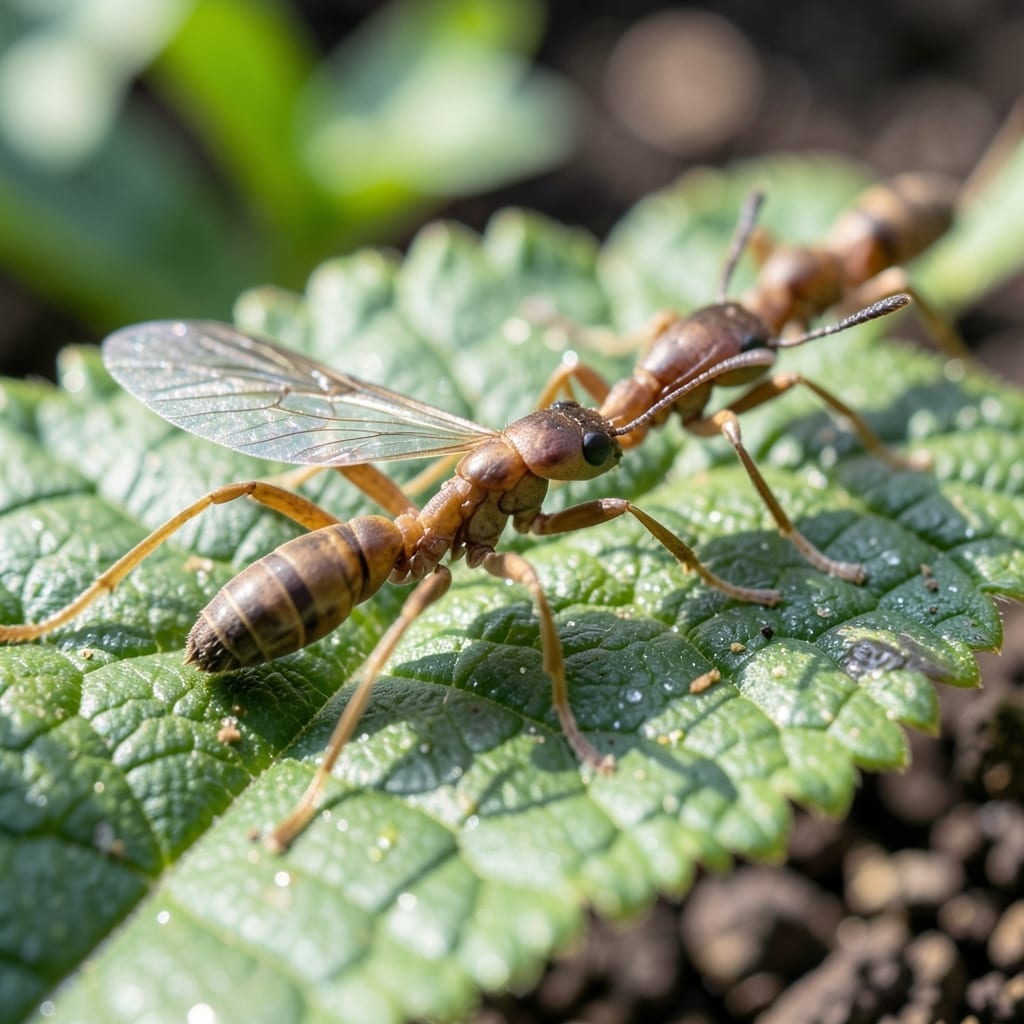
I first noticed the swarm near my kitchen window last June. Tiny, light brown ants with delicate wings—definitely not the usual sugar ants I ignore. Argentine ant reproductives look deceptively harmless until you realize they’re scouting for new colony locations.
These winged invaders appear during warm, humid weather, usually after rain. They’re not just annoying—they signal a mature colony nearby, ready to expand. Left unchecked, they’ll establish satellite nests in your walls, garden, or even potted plants.
You’ve got a 24-48 hour window to act before they settle in permanently. The good news: they follow predictable patterns, and their trails lead straight to the nest. That’s your first clue for elimination.
Works for indoor and outdoor infestations. Here’s exactly what to do next.
Winged Argentine ants (Linepithema humile) appear for specific biological and environmental reasons. These reproductive forms, called alates, emerge under predictable conditions. Here’s why it happens:
Argentine ants produce winged individuals (males and future queens) during nuptial flights, typically in spring or early summer when temperatures rise (70–85°F) and humidity is high. This synchronized event allows colonies to disperse and mate, expanding their range. Males die after mating, while fertilized females shed their wings to start new colonies.
When a colony grows too large, resources become scarce. The queen triggers the production of alates to relieve pressure and establish satellite nests. This is common in urban areas where Argentine ants form supercolonies with thousands of queens. Winged ants signal an impending population boom.
Extreme conditions—like drought, flooding, or temperature spikes—can force a colony to produce alates prematurely. If their nest is disturbed (e.g., by pesticides or construction), winged ants may emerge as a survival tactic to relocate. Check for moisture issues or cracks in your home’s foundation if you spot them indoors.
Plentiful food (e.g., aphid honeydew, sugary spills, or pet food) can accelerate alate production. Argentine ants are opportunistic feeders, and a sudden resource surplus may trigger a reproductive surge. Seal food containers and fix leaks to deter this behavior.
Winged Argentine ants in your home or yard can feel like an invasion, but don’t panic—there are clear, actionable steps to reclaim your space. Below, we break down the most effective fixes based on the root causes, along with prevention tips to keep them from returning.
Leaky pipes, damp basements, or overwatered plants create the perfect breeding ground for these pests. Fix leaks immediately and use a dehumidifier in humid areas. Ensure gutters and downspouts direct water away from your foundation. Prevention tip: Regularly check under sinks and around appliances for excess moisture.
Argentine ants are drawn to sweets, proteins, and even pet food left out. Store food in airtight containers, clean up spills right away, and take out the trash frequently. Keep compost bins sealed and far from your home. Prevention tip: Wipe down counters and sweep floors daily to remove crumbs and residue.
Inspect your home for cracks in walls, gaps around windows, or holes in screens. Seal these entry points with caulk or weather stripping. Pay special attention to utility lines and vents, as ants can squeeze through tiny openings. Prevention tip: Install door sweeps and repair damaged screens to block access.
For existing infestations, apply ant baits specifically designed for Argentine ants. Place them along trails and near entry points—the workers will carry the bait back to the colony. Avoid sprays, as they can scatter the ants and worsen the problem. Prevention tip: Reapply baits every few weeks during active seasons (spring and summer).
For a chemical-free approach, sprinkle diatomaceous earth or cinnamon near entry points. These disrupt the ants’ scent trails and deter them from entering. Essential oils like peppermint or vinegar sprays can also repel them temporarily. Prevention tip: Reapply natural deterrents after rain or cleaning.
By tackling the root causes and staying vigilant, you can stop winged Argentine ants in their tracks and keep your space ant-free.
Wings appear during mating season, typically in spring or early summer. These reproductive ants, called alates, use wings to disperse and find mates before shedding them to establish new colonies.
Yes, usually. Winged Argentine ants indicate a mature colony nearby. Seeing them indoors often means they’re already established in walls or under floors. Act fast to prevent satellite nests.
Sprays often make it worse by scattering the colony. Use ant baits instead—they’re carried back to the nest, eliminating the source. Baits are more effective long-term.
Males die shortly after mating. Fertilized females shed their wings and can live 10-15 years as queens, producing thousands of eggs. This is why quick action is critical.