
Beautiful Plants For Your Interior
Beautiful Plants For Your Interior
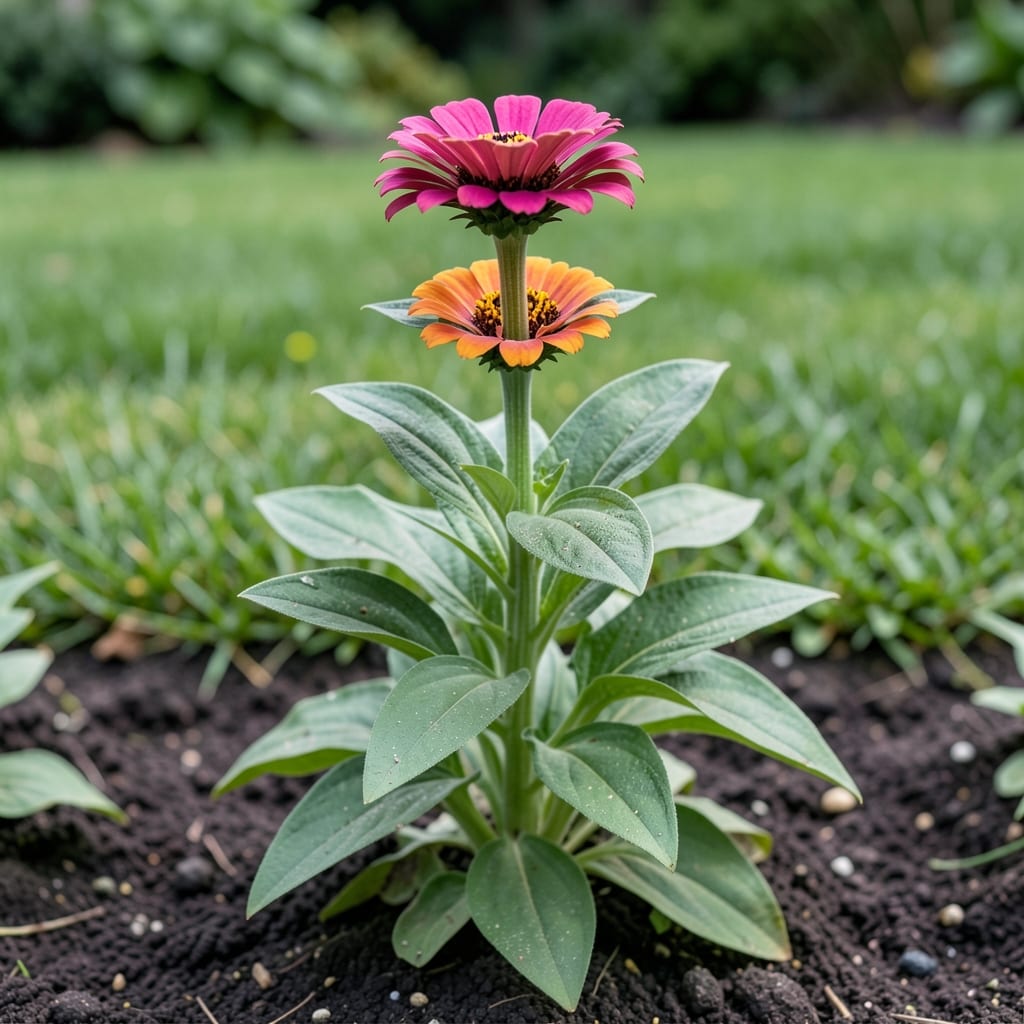
Zinnias are not true wildflowers but cultivated annuals originating from Mexico. They thrive in gardens but can naturalize in warm climates, mimicking wildflower behavior.
While they share the free-spirited look of wildflowers, zinnias were actually domesticated from species native to Mexico and Central America. 🌼 I love how they self-seed in ideal conditions, creating that effortless meadow effect in garden beds. Their vibrant blooms and easy growth make them a favorite for pollinator gardens, even if they’re technically cultivated plants.
💡 In This Article
Zinnias belong to the Asteraceae family, scientifically known as Zinnia elegans. They were first documented in 1520 by Spanish conquistadors in Mexico, where wild species still grow in scrubby, dry areas at elevations up to 6,500 feet.
Unlike true wildflowers that evolve naturally in ecosystems, zinnias were selectively bred over centuries to enhance their vibrant colors and larger blooms. 🌟
True wildflowers like black-eyed Susans or goldenrods spread naturally through wind, animals, or water. Zinnias, however, rely on human cultivation for propagation. Their seeds were originally collected from wild populations in Mexico, but today’s garden varieties are far removed from their ancestors—boasting 3-5 inch flowers compared to the 1-inch blooms of wild types.
This domestication process created the bold, long-lasting flowers we know today.
The key difference lies in their growth habits. Wildflowers typically have extensive root systems and adapt to poor soils, while zinnias prefer well-draining soil with pH 5.5-7.5 and regular watering. They’ve been cultivated for 500+ years, with modern hybrids developed for disease resistance and extended bloom periods.
Their ability to self-seed in warm climates gives the illusion of wildflower behavior. ✨
Interestingly, zinnias were named after German botanist Johann Gottfried Zinn, who first described the plant in the 18th century. The domestication process transformed them from modest wild plants into the showy garden stars we cherish today, capable of producing 100+ blooms per plant in a single season.
Their adaptability allows them to thrive in zones 3-10, further blurring the line between cultivated and wild. 💫
What makes zinnias special is their rapid growth cycle—sprouting in 4-7 days and flowering within 60-70 days. This quick turnover mimics the prolific nature of wildflowers, though their dependence on human care for optimal growth distinguishes them from true wild species.
Their bright colors and easy care make them a bridge between intentional gardening and nature’s wild beauty. 🔥
Zinnias are native to Mexico and Central America. They were first documented by Spanish explorers in 1520 growing in dry, scrubby areas at high elevations up to 6,500 feet.
Through selective breeding, zinnias developed larger, brighter blooms while retaining their natural ability to self-seed. In warm climates, they can naturalize and spread like wildflowers, creating that effortless meadow appearance.
While they can self-seed in ideal conditions, zinnias prefer well-draining soil with pH 5.5-7.5 and regular watering. Unlike true wildflowers, they struggle in poor soils without some human intervention.
Zinnias have a remarkably fast growth cycle, sprouting in just 4-7 days and blooming within 60-70 days. This rapid turnover mimics wildflowers’ prolific nature, though their blooms are significantly larger.