
Beautiful Plants For Your Interior
Beautiful Plants For Your Interior
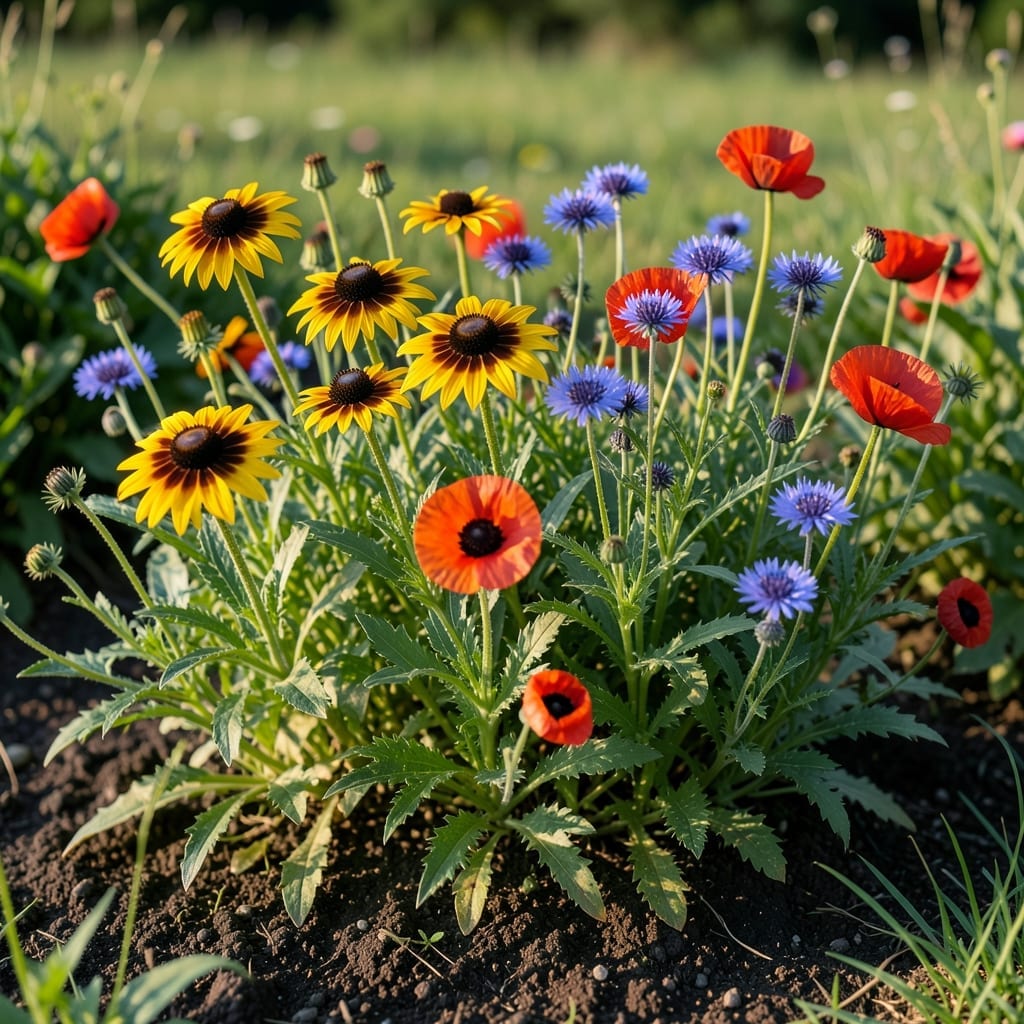
Wildflowers bring natural beauty to any garden, but knowing whether they’re annuals or perennials can make or break your planting strategy. The answer isn’t one-size-fits-all—🌸 some bloom for a single season, while others return year after year.
I’ve seen gardeners struggle when they expect perennials but plant annuals, or vice versa. Understanding this difference means the difference between a fleeting splash of color and a garden that keeps giving.
Discover how to tell them apart and choose the right types for your space. Let’s break it down simply and effectively.
If you’ve ever wondered whether wildflowers are annuals or perennials, you’re not alone. The truth is, they can be both, depending on the species. Each type has a unique lifespan and role in your garden.
I’ve spent years observing wildflowers in different climates, and the distinction between annuals and perennials is fundamental to how they grow and thrive. Let’s explore what sets them apart.
| Characteristic | Annual Wildflowers | Perennial Wildflowers |
|---|---|---|
| Lifespan | One growing season | 2+ years (reblossom) |
| Growth Habit | Complete life in one year | Return from roots each year |
| Bloom Time | Same year as planted | Year 2+ after planting |
| Maintenance | Replant yearly | Low maintenance |
| Examples | Corn Poppy, California Poppy | Black-eyed Susan, Purple Coneflower |
Annual wildflowers complete their entire life cycle in one growing season. They germinate, flower, produce seeds, and die—all within months. This makes them perfect for quick bursts of color. 🌻
In contrast, perennial wildflowers live for multiple years. They establish deep root systems and return each spring, often growing larger and producing more blooms with each passing year.
One key difference is bloom timing. Annuals typically flower the same year they’re planted, while perennials may take a year or two to establish before they bloom abundantly.
When choosing between the two, consider your goals. If you want immediate impact, annuals are your best bet. For long-term beauty with less replanting, perennials are ideal.
I’ve found that mixing both types creates a dynamic garden. The annuals provide instant color, while perennials offer reliable returns year after year. This combination ensures continuous blooms from spring to fall.
Another benefit of perennials is their resilience. Once established, they’re often drought-tolerant and require less care. Annuals, on the other hand, may need more frequent watering and fertilizing to thrive.
Remember, some wildflowers can behave as both annuals and perennials, depending on your climate. For example, Larkspur is often grown as an annual but can self-seed and return like a perennial in milder zones.
Choosing between annual and perennial wildflowers depends on your gardening goals and conditions. I always start by considering my climate, as some plants thrive better in certain zones.
Annuals are ideal for gardeners who want immediate color and can commit to replanting each year. They’re perfect for filling gaps or creating temporary displays. 🌱
Perennials are my go-to for creating a sustainable garden that comes back stronger each year. They’re perfect for meadows or naturalized areas where you want long-term beauty.
Consider your soil type too. Some wildflowers prefer well-draining soil, while others thrive in clay or loamy conditions. Testing your soil can help you choose the right varieties.
For beginner gardeners, I recommend starting with a mix of both. This gives you immediate results from annuals while perennials establish themselves for future years. 🌿
If you have a small space, annuals let you experiment with different looks each season. In larger areas, perennials create a more permanent, naturalized landscape that evolves over time.
Remember that maintenance levels vary. Annuals may need more frequent watering and deadheading, while perennials often require less care once established. ✂️