
Beautiful Plants For Your Interior
Beautiful Plants For Your Interior
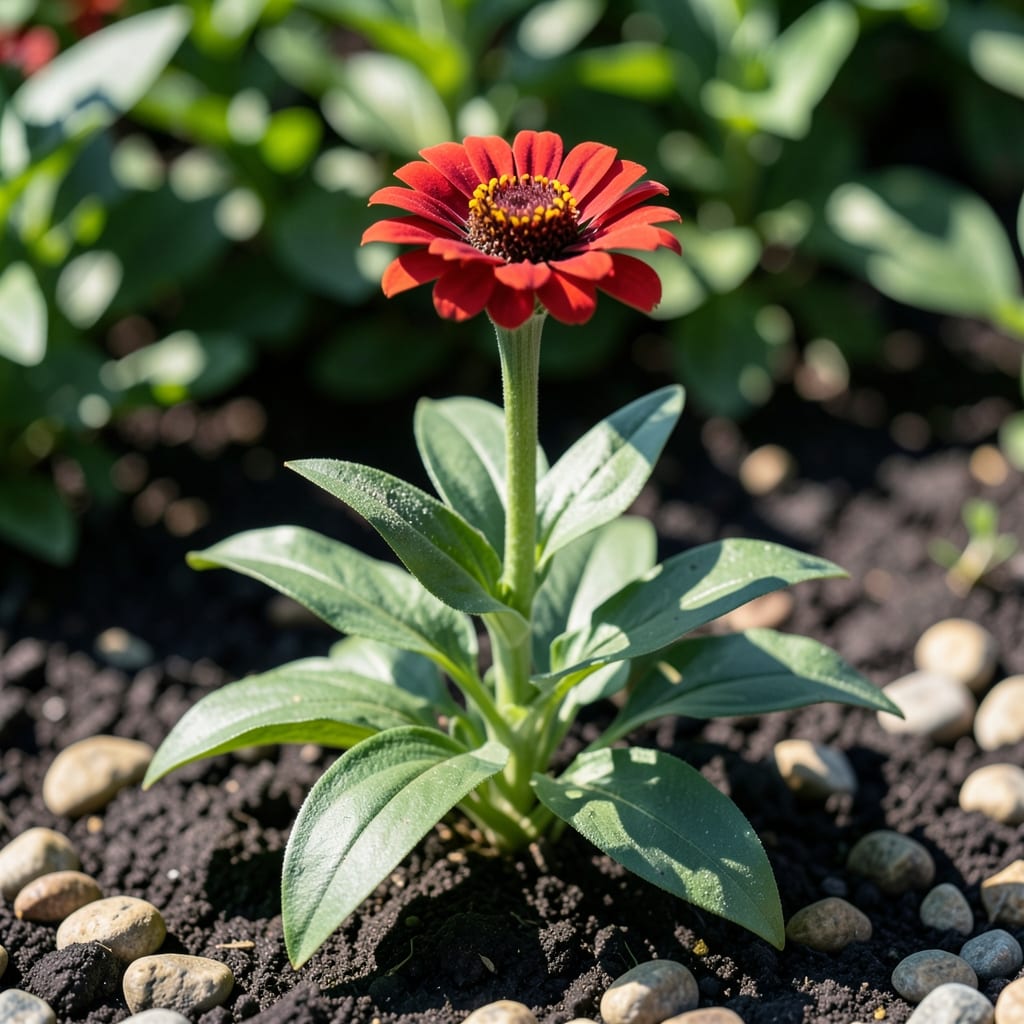
Zinnias are typically grown as annuals, completing their life cycle in one growing season. They germinate, bloom, produce seeds, and die with the first frost, but may self-seed in warm climates.
I love how zinnias pack so much beauty into a single season. Their rapid growth from seed to bloom in about 60-70 days makes them a favorite for gardeners wanting quick color. In milder zones, they might reseed naturally, creating a surprise return next year without any effort from me. ✨
What’s fascinating is their resilience—they thrive in full sun and tolerate heat better than many flowers, which is why I plant them in the hottest spots of my garden. 🌟
💡 In This Article
The classification comes from their biological programming. Zinnias follow a monocarpic life cycle, meaning they flower once, set seed, and die. Their entire journey from germination to seed production often completes in just 60-70 days, with some varieties maturing even faster under ideal conditions.
This rapid timeline is why gardeners treat them as seasonal plants rather than perennials.
Frost is the decisive factor in their lifespan. Zinnias are native to warm regions of Mexico and Central America, where they evolved without frost tolerance. When temperatures drop to 32°F (0°C) or below, their cell structures rupture, causing immediate decline.
Even a light frost will blacken their foliage within 24-48 hours, signaling the end of their growth cycle.
Climate dramatically influences their behavior. In USDA zones 9-11, where winters stay above 20°F (-6°C), zinnias may survive as short-lived perennials or self-seed prolifically. Their seeds can remain viable in soil for 2-3 years, germinating when conditions are right.
This explains why gardeners in warm areas often see “volunteer” zinnias appearing in unexpected spots each spring. 🌟
What’s fascinating is their energy allocation. Zinnias channel all their resources into rapid growth and abundant flowering rather than developing frost-resistant structures. A single plant can produce hundreds of seeds in its short lifespan, ensuring the next generation even if the parent dies. This reproductive strategy is classic for annual species in unpredictable environments.
Their seed-to-bloom speed is remarkable. From sowing to first flowers can take as little as 6 weeks for dwarf varieties, while taller types may need 8-10 weeks. This quick turnaround makes them ideal for succession planting—staggering sowings every 2-3 weeks provides continuous blooms from early summer until frost. ✨
Compared to true perennials, zinnias invest minimally in root systems. Their fibrous roots spread just 6-12 inches deep, focusing instead on above-ground growth. This shallow rooting explains their sensitivity to drought and why consistent 1-inch weekly watering produces the most robust plants and vibrant blooms.
In most climates, zinnias won’t return on their own. They complete their life cycle in one season and die with frost. However, in warm zones 9-11, they may self-seed and reappear the following year.
From seed to frost, zinnias typically last one growing season. Their rapid growth means they germinate, bloom, and produce seeds in just 60-70 days, making them perfect for quick garden color.
Zinnias cannot survive freezing temperatures. Even a light frost at 32°F (0°C) will damage their foliage and end their growth cycle within 24-48 hours.
In warm climates with mild winters, zinnias may drop seeds that germinate the next spring. Each plant can produce hundreds of seeds, so you might see new plants popping up unexpectedly.
Their natural life cycle is designed to complete quickly. They focus energy on fast growth and abundant blooms rather than developing frost resistance, which is why they’re grown as seasonal plants.