
Beautiful Plants For Your Interior
Beautiful Plants For Your Interior
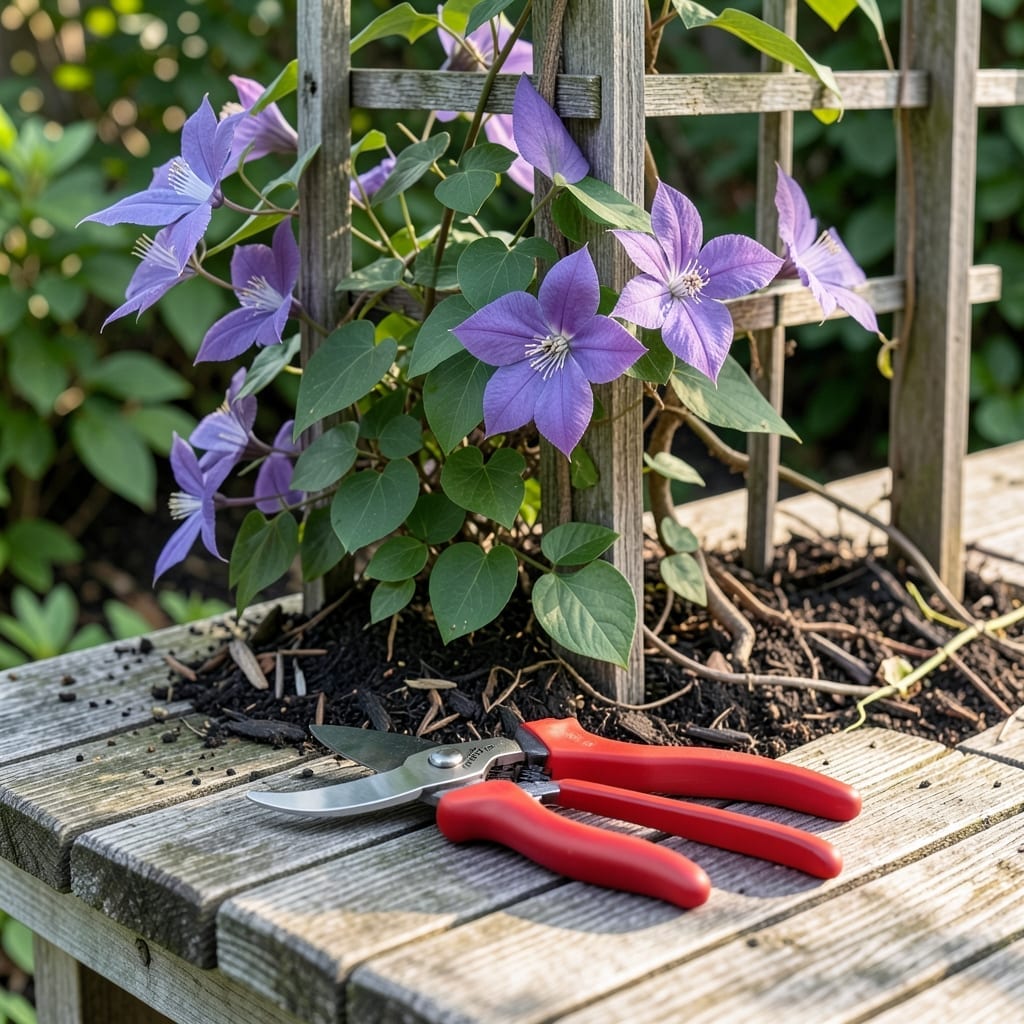
Yes, deadheading clematis encourages more blooms and maintains plant health. Remove spent flowers just below the flower head, but avoid heavy pruning on late-flowering varieties.
I always recommend this practice because it redirects the plant’s energy from seed production to new growth. This simple step can extend your blooming season by several weeks, which is a game-changer for gardeners. Just be mindful of your clematis variety, as some late bloomers need their old wood to thrive next year. ✨
💡 In This Article
Deadheading works by eliminating spent blooms before they can form seed heads. This stops the plant from diverting energy into seed production—a process that can consume up to 30% of its resources. Instead, that energy gets redirected to root and foliage growth, leading to a stronger, more vigorous plant. 🔥
The blooming cycle also gets a boost. Without dead flowers, clematis doesn’t receive the hormonal signal to stop producing new buds. This can extend your blooming season by 4-6 weeks in many varieties, giving you more color for a longer period. The plant focuses on what it does best: creating stunning flowers. ✨
Appearance matters too. Removing faded blooms prevents that messy, browned look that can make even healthy clematis appear neglected. It keeps your garden looking tidy while encouraging the plant to produce fresh, vibrant growth. The visual impact is immediate and noticeable. 🌟
For clematis in particular, this practice also helps maintain better air circulation around the plant. Densely packed old blooms can trap moisture against the foliage, increasing the risk of fungal diseases like powdery mildew. Deadheading opens up the plant’s structure, allowing sunlight and air to reach all parts. ⚡
What many gardeners don’t realize is that this process mimics natural conditions. In the wild, clematis would shed its spent blooms naturally, but in cultivation, we need to step in. This simple act helps the plant behave more like it would in its native habitat, leading to healthier, more balanced growth. 💫
Not all types respond the same. Early bloomers on old wood (Group 1) rarely need it, while repeat bloomers (Group 2) benefit most. Always check your variety first.
Check weekly during active blooming. Remove spent flowers as soon as they fade to maximize new growth. This keeps your plant producing blooms continuously.
Your clematis will still grow, but it may produce fewer blooms and look messy. Energy goes to seed production instead of new flowers or foliage.
Yes, as long as they’re sharp and clean. Dull blades can crush stems, making the plant more vulnerable to disease. Disinfect between plants.
No, but go easy on first-year plants. Focus on establishing strong growth before encouraging more blooms. Young plants need time to develop.