
Beautiful Plants For Your Interior
Beautiful Plants For Your Interior
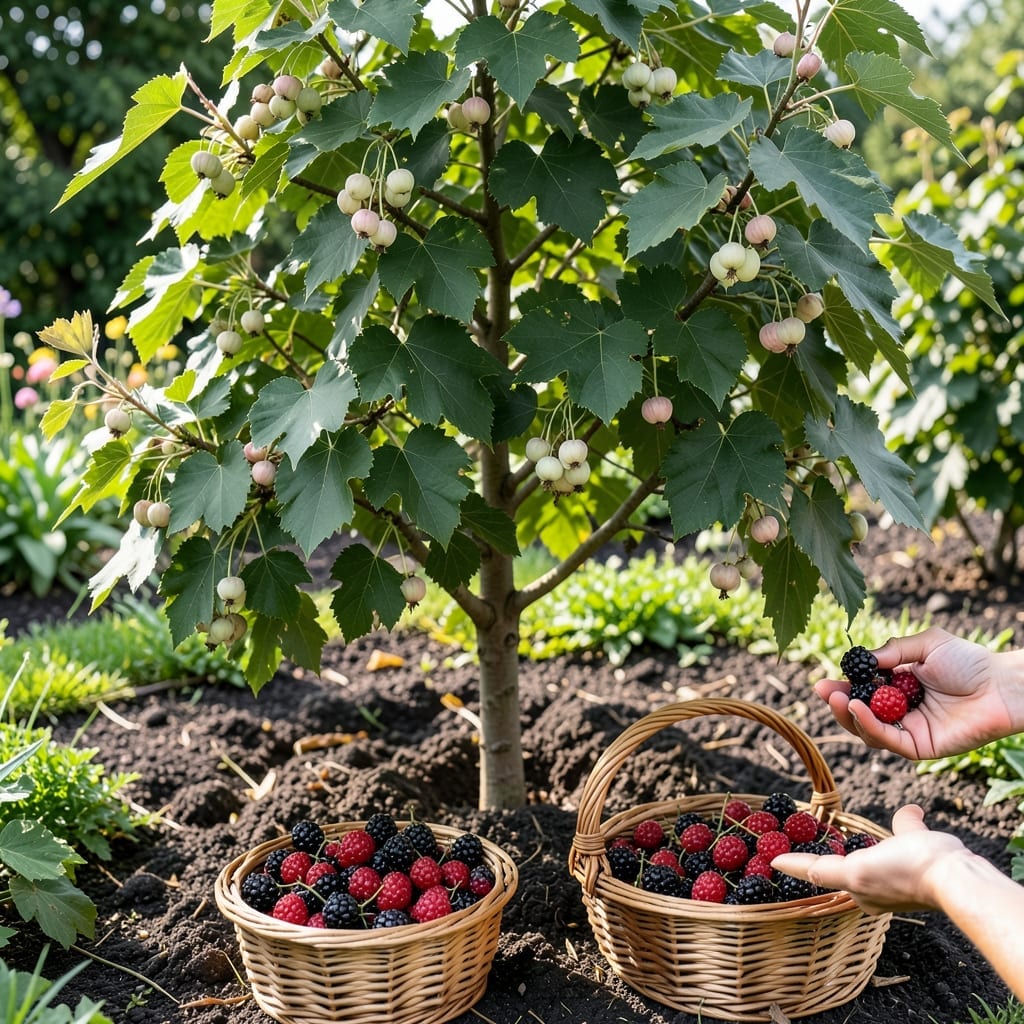
White mulberries are not poisonous; their ripe fruit is edible and sweet, though unripe berries may cause mild stomach upset due to latex compounds.
I’ve safely enjoyed white mulberries fresh from the tree, and their sweetness is a summer highlight. The key is ripeness—only the deep purple or white berries are ready to eat, while green ones contain compounds that can irritate your stomach. 🔥
This natural defense mechanism protects the fruit until it’s mature enough for seed dispersal. Always sample a small amount first if you’re trying them for the first time.
💡 In This Article
The edibility of white mulberries comes down to their chemical makeup. Ripe berries contain high levels of sucrose (7-9%) and fructose (3-5%), giving them their characteristic sweetness. These sugars develop as the fruit matures, signaling it’s safe for consumption by both humans and wildlife.
Unripe white mulberries produce latex compounds, primarily morusin and kuwanon, which act as natural defenses. These bitter-tasting alkaloids can cause mild gastrointestinal irritation in concentrations above 0.5%. The compounds degrade as the fruit ripens, dropping below 0.1% in mature berries. 🔥
White mulberries contain significantly fewer tannins than red or black varieties. While black mulberries have tannin levels around 1.2-1.8%, white varieties measure only 0.3-0.5%. This lower astringency makes them milder and more palatable when fully ripe.
Comparative studies show white mulberries have 30-40% less alkaloid content than their darker counterparts. The white color indicates lower anthocyanin pigment production, which correlates with reduced bitter compounds. This genetic difference explains why white varieties are generally safer to eat at all ripeness stages.
Nutritional analysis reveals white mulberries contain 85% water, 10-12% carbohydrates, and trace amounts of protein. Their vitamin C content (36mg per 100g) remains consistent regardless of color, though the lack of dark pigments means fewer antioxidants.
The plant’s leaves, however, contain higher concentrations of alkaloids than the fruit. While traditionally used in teas, consuming large quantities of fresh leaves may cause nausea due to their 1-2% alkaloid content. ✨
Yes, though rare, some people may experience mild allergic reactions to mulberries. Symptoms can include itching or swelling in the mouth. If you notice these signs, discontinue eating and consult a healthcare provider.
No, the leaves contain higher concentrations of alkaloids than the fruit. Consuming large amounts may cause nausea. They’re traditionally used in teas, but fresh leaves should be avoided.
Ripe white mulberries are fully white or deep purple and come off the stem easily with a gentle twist. Avoid green or pale berries, as they contain more latex compounds.
Unripe berries may cause mild stomach upset due to latex compounds. Symptoms usually pass quickly, but it’s best to stick to fully ripe fruit. Always sample a small amount first.