
Beautiful Plants For Your Interior
Beautiful Plants For Your Interior
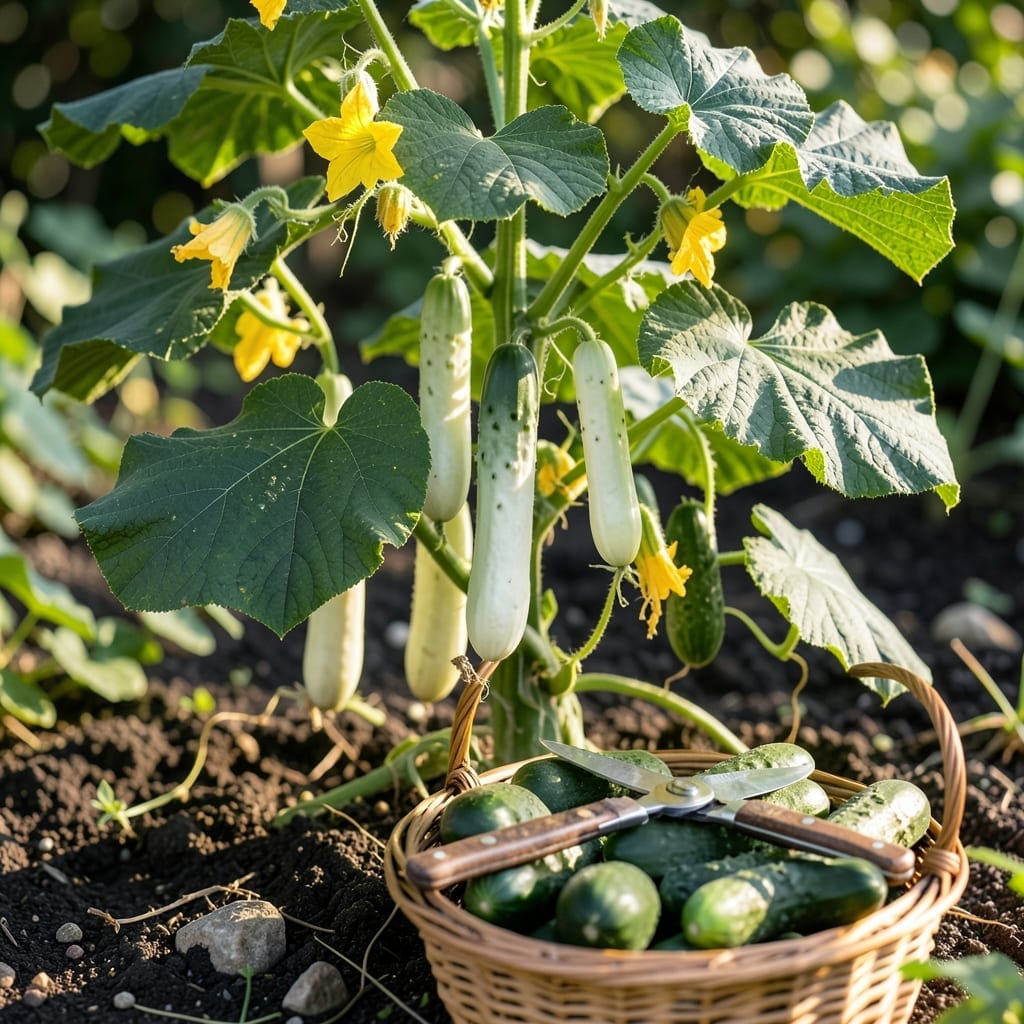
White cucumbers are generally safe to eat if fully ripe and properly grown. Their pale color comes from reduced chlorophyll, not toxicity, but always check for bitterness or spoilage before consuming.
The absence of green pigment doesn’t indicate danger—it’s often a sign of specific varieties or reduced sunlight during growth. I’ve found these pale cucumbers typically offer a milder, sweeter taste compared to their green counterparts. Still, it’s crucial to inspect for off smells, soft spots, or unusual bitterness, which could signal spoilage or cucurbitacin overproduction. ✨
💡 In This Article
The pale hue of white cucumbers stems from lower chlorophyll production. Unlike green varieties that develop pigment in full sunlight, these cucumbers often grow in shaded conditions or belong to specific cultivars like White Wonder or Ivory King. Chlorophyll, the green pigment responsible for photosynthesis, simply doesn’t accumulate in the same concentrations. 🌱
Genetics play a major role too. Some heirloom varieties are naturally bred to produce minimal chlorophyll, resulting in an ivory or cream-colored skin. These types often have thinner peels, which can make them more susceptible to bruising during handling. Environmental factors like inconsistent watering or cooler growing temperatures can also reduce pigment development.
What’s fascinating is that this color variation doesn’t affect nutritional value. White cucumbers maintain comparable levels of vitamins K and C, potassium, and fiber to their green relatives.
The difference lies primarily in the visual and subtle taste variations—white cucumbers often taste milder and slightly sweeter due to lower levels of cucurbitacins, the compounds that can make cucumbers bitter.
Sun exposure directly impacts the intensity of the color. Cucumbers grown with 30% less sunlight than standard conditions will naturally appear paler. This is why greenhouse-grown cucumbers sometimes develop a lighter hue, as they’re often cultivated under diffused light to prevent overheating.
The same cucumber variety can produce both green and white fruits depending on its position in the plant canopy.
This natural variation is completely normal and doesn’t indicate any safety concerns. In fact, many chefs prefer white cucumbers for their delicate appearance in gourmet dishes. Their pale color makes them ideal for presentations where a subtle, elegant look is desired, especially in salads or as garnishes for fine dining platters. ✨
White cucumbers develop from genetics or growing conditions. Varieties like White Wonder are naturally pale, while others turn white from reduced sunlight. This affects chlorophyll, not safety.
Look for soft spots, wrinkles, or mold. A fresh one feels firm and heavy. If it smells sour or tastes bitter, discard it immediately—this may indicate spoilage or high cucurbitacin.
No, they offer similar nutrition. Both provide vitamins K and C, potassium, and fiber. The pale color affects taste and appearance, not nutritional value.
Keep them in the fridge’s crisper drawer for 5-7 days. For cut pieces, use an airtight container and consume within 2-3 days. Avoid room temperature storage.