
Beautiful Plants For Your Interior
Beautiful Plants For Your Interior
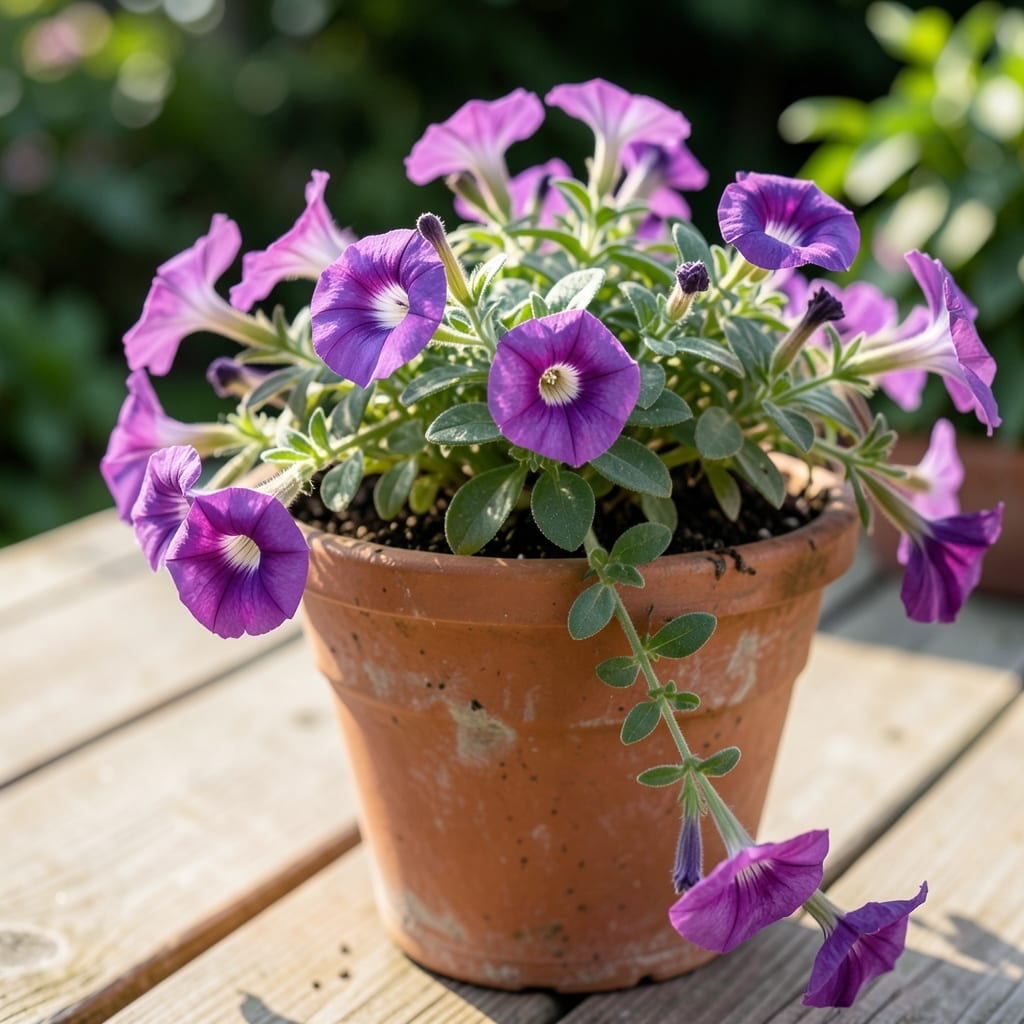
Wave petunias are typically grown as annuals, completing their life cycle in one season. In very mild climates, they may survive winter and regrow, but frost will kill them in most regions.
I’ve found these vibrant bloomers thrive as one-season wonders because cold snaps halt their growth. In zones with gentle winters, they might bounce back, but most gardeners treat them as temporary bursts of color. Their popularity comes from that reliable, long-lasting bloom cycle that packs a punch from spring until the first hard freeze. 🌟
💡 In This Article
Wave petunias complete their entire life cycle—from seed to flower to seed—in a single growing season. This is because they’re classified as tender perennials, meaning their natural lifespan spans multiple years only in frost-free environments. In most regions, the first hard frost (32°F or below) damages their cell structures beyond recovery.
Their growth is heavily influenced by temperature and daylight. Wave petunias thrive in warm soil (60-70°F) and require 6-8 hours of sunlight daily to produce their iconic cascading blooms. When temperatures drop below 50°F, growth slows dramatically, halting flower production and triggering dormancy. 🌱
What makes them unique is their vigorous spreading habit—some varieties can trail up to 4 feet in optimal conditions. This rapid growth is why they’re so popular for hanging baskets and containers. However, this same energy expenditure means they exhaust their resources quickly, rarely surviving beyond one season in colder climates.
Even in mild zones like USDA 9-11, inconsistent winter temperatures can stress the plants. A sudden cold snap after a warm period often proves fatal. Their shallow root systems also make them particularly vulnerable to temperature fluctuations in the soil. ❄️
For comparison, true perennial petunias (like some wild species) have deeper roots and can store energy for regrowth. Wave varieties, bred for their spreading habit and abundant flowers, trade this survival mechanism for visual impact. This is why breeders recommend treating them as annuals even in borderline climates.
Their seeds, however, can remain viable in soil for years. In mild winters, self-seeding might create new plants the following spring, though these won’t be identical to the parent Wave petunias due to hybrid vigor. This explains why some gardeners see “volunteer” petunias appearing in unexpected places. 🌿
In most climates, no—they’re treated as annuals and won’t survive frost. In USDA zones 9-11, they might regrow if winter stays above 25°F.
Yes, in containers! Move pots indoors to a 50-60°F spot, water lightly, and prune back to 6 inches. Outdoor plants need heavy mulch for protection.
Their shallow roots and tender growth can’t handle freezing temps. Even light frosts (32°F) damage cells, making them unlikely to return in colder zones.
Sometimes! In mild winters, seeds may sprout new plants, but they won’t match the parent’s trailing habit. Expect different colors or growth patterns.
Look for green shoots at the base in early spring. If you see new growth, they’ve made it—trim dead foliage to encourage healthy regrowth.