
Beautiful Plants For Your Interior
Beautiful Plants For Your Interior
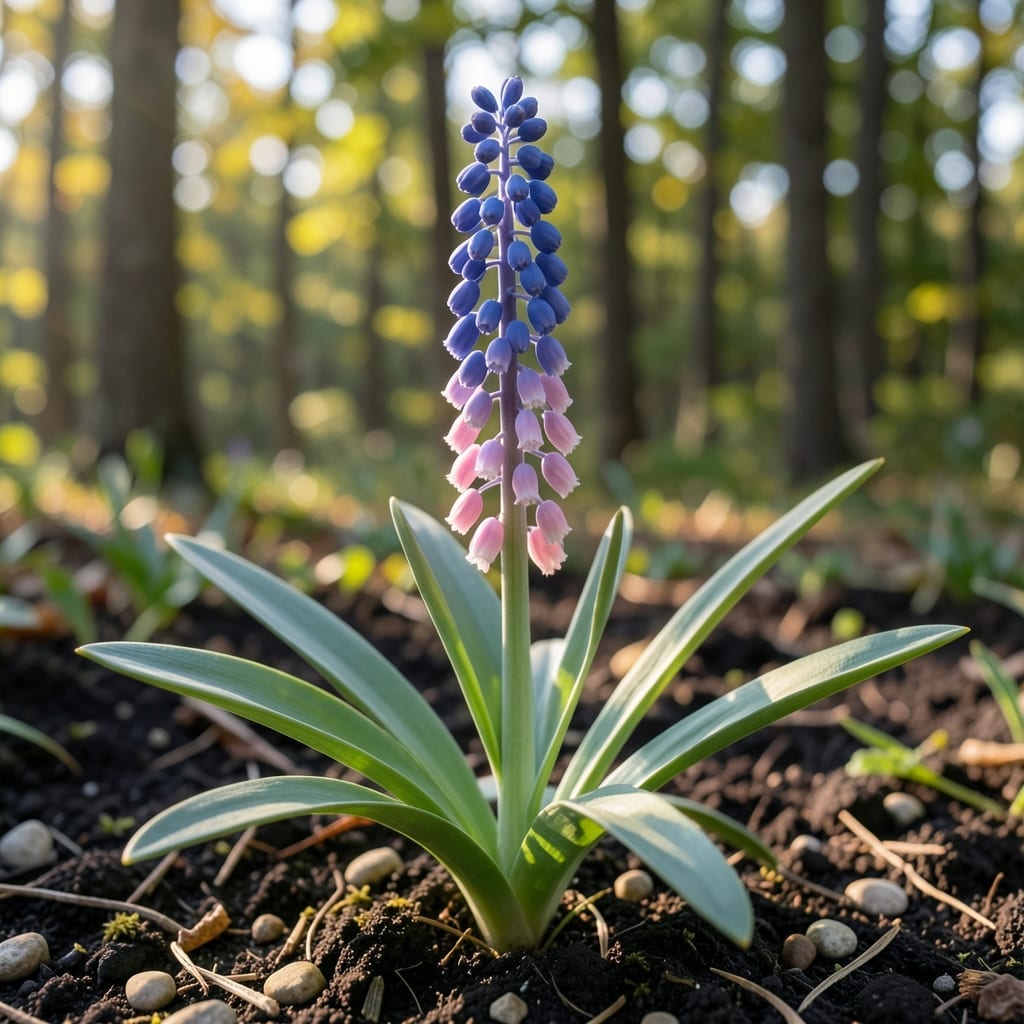
Virginia bluebells are not considered invasive. They spread slowly via seeds and rhizomes but remain well-behaved in most garden settings, rarely overtaking other plants.
I’ve planted these in my own garden and was impressed by their gentle growth habit. They form clumps over time but don’t aggressively colonize like true invasives such as Japanese knotweed. Their seasonal die-back also helps keep them in check naturally. ✨
What makes them garden-friendly is their preference for moist, shaded areas where they coexist peacefully with native species. 💫
💡 In This Article
Virginia bluebells propagate through two primary methods: seed dispersal and rhizome expansion. Each plant produces dozens of seeds in late spring, but these have a low germination rate and require specific conditions—consistent moisture and partial shade—to sprout. This natural limitation prevents aggressive spread. 🔥
Beneath the soil, the plants develop shallow rhizomes that slowly extend outward at a rate of 2-4 inches per year. Unlike invasive species such as bamboo, which can shoot rhizomes 10+ feet annually, bluebells grow in tight, manageable clumps. Their growth is also seasonal, dying back completely in summer dormancy. ✨
Their spread is further controlled by environmental factors. They thrive in woodland edges or floodplain areas but struggle in dry, sunny spots. This pickiness means they rarely outcompete other plants. In my garden, they’ve coexisted harmoniously with hostas and ferns for years without crowding them. 💫
True invasive plants often have no natural predators or competitors in their new environment. Virginia bluebells, however, are native to eastern North America and have evolved alongside local ecosystems. Their slow growth rate and specific habitat needs act as built-in checks against overpopulation. ⚡
Even in ideal conditions, a single plant might expand to a 2-foot diameter after several years. Compare this to mint, which can overtake a 4×4-foot bed in a single season. This measured growth pattern is why gardeners often deliberately plant bluebells to fill spaces without fear of them taking over. 🌟
No, they grow in tight clumps and spread very slowly, typically just 2-4 inches per year. In most gardens, they coexist peacefully with other shade-loving plants like hostas.
Simply dig up and divide the rhizome clumps every 3-4 years, or plant them in containers. Their growth is easily managed with minimal effort.
They prefer moist, shaded spots and will struggle in dry or full-sun locations. This natural pickiness actually helps control their spread.
Yes, they’re native to eastern North America and have natural checks that prevent overpopulation. Unlike true invasives, they don’t disrupt local plant communities.