
Beautiful Plants For Your Interior
Beautiful Plants For Your Interior
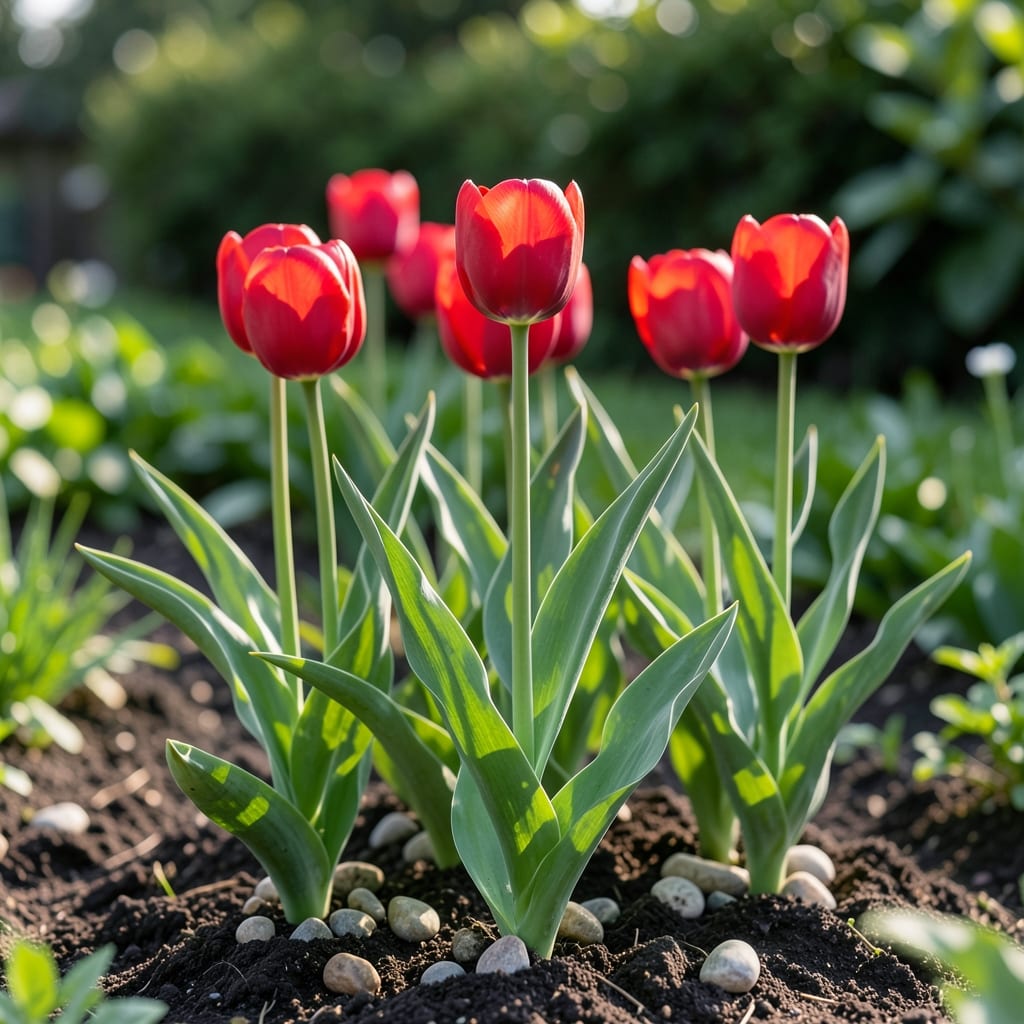
Tulips are technically perennials but often behave like annuals in many climates, requiring ideal conditions to return yearly. Most gardeners treat them as annuals for reliable blooms.
I’ve learned the hard way that tulips need well-draining soil and consistent cold winters to store enough energy for a repeat performance. In warmer zones, the bulbs often exhaust themselves after one bloom. 🌟
That’s why many gardeners dig up and replant bulbs annually—it guarantees vibrant displays without relying on nature’s cooperation.
💡 In This Article
Tulip bulbs store energy for next year’s bloom during their 6-8 week post-flowering growth phase. Without this period, they can’t rebuild the nutrients needed for a repeat performance. In climates with mild winters, the bulbs don’t get the 12-16 weeks of cold dormancy required to trigger proper spring growth. 🔥
The bulb’s health depends on ideal soil conditions. Poor drainage causes rot, while overly dry soil prevents nutrient uptake. Tulips thrive in sandy, slightly acidic soil (pH 6.0-7.0) that mimics their native Central Asian habitats. Heavy clay or waterlogged beds often spell the end for bulbs after one season.
Pests and diseases also play a role. Rodents love tulip bulbs, and fungal infections like tulip fire can spread quickly in damp conditions. Even with perfect care, some hybrid varieties are bred more for showy first-year blooms than long-term survival, making them genetically less likely to return.
Temperature swings during spring can confuse the bulbs. Late frosts after warm spells may damage emerging shoots. In contrast, consistently cold springs (40-50°F) provide the steady conditions tulips need to establish strong root systems for future years. ✨
What most gardeners overlook is the bulb’s need for sunlight after flowering. The leaves must photosynthesize for 6-8 weeks post-bloom to recharge the bulb. Prematurely cutting back foliage—often done for neatness—severely reduces the chance of seeing those colors again next spring.
In ideal conditions with cold winters and well-draining soil, some varieties may return for 2-3 years. However, most gardeners replant annually for consistent blooms, as many hybrids lose vigor after the first year.
Tulips thrive in zones 3-6 with cold winters (12-16 weeks below 40°F). Warmer climates often require digging up bulbs for summer storage to mimic winter chill.
Darwin Hybrid, Fosteriana, and Species tulips have the best perennializing track record. These are bred for longevity rather than just showy first-year blooms.
Yes! Let foliage die back naturally for 6-8 weeks post-bloom. Use low-nitrogen fertilizer and ensure 6-8 inch planting depth. Avoid overwatering and rotate planting locations every 3-4 years.