
Beautiful Plants For Your Interior
Beautiful Plants For Your Interior
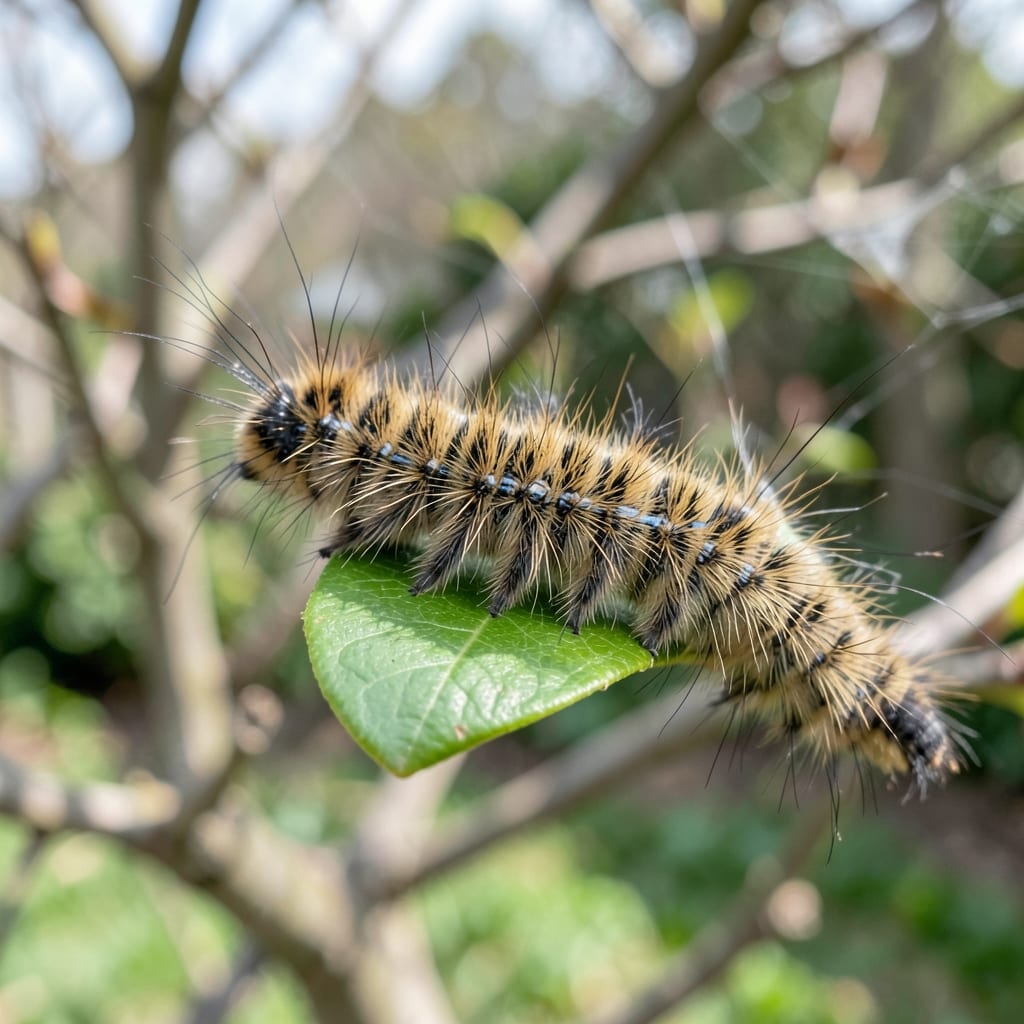
Tent caterpillars can defoliate trees but rarely kill healthy ones. Severe infestations may weaken trees, making them more susceptible to disease and other pests.
While a single defoliation event usually won’t kill a mature tree, I’ve seen how repeated attacks can stress even the hardiest species. 🔥 The caterpillars consume leaves rapidly, reducing the tree’s ability to photosynthesize and store energy for growth. Young saplings are especially vulnerable, as they lack the stored reserves to recover from multiple defoliations.
💡 In This Article
Tent caterpillars cause damage by consuming leaves at an alarming rate, often stripping entire branches bare within 1-2 weeks. A single tent can house 150-200 caterpillars, and each can eat up to 1 square foot of foliage daily.
This rapid defoliation reduces the tree’s ability to perform photosynthesis, which is critical for energy production and growth. 🔥
When a tree loses significant foliage, it enters a state of stress. The reduced photosynthetic capacity means less glucose is produced, forcing the tree to use stored energy reserves.
For mature trees, this might only slow growth for a season, but for young saplings—especially those under 3 years old—the energy depletion can be severe, stunting development or even causing dieback.
Repeated defoliation over multiple years compounds the stress. Trees may produce smaller leaves the following year, and their overall vigor declines. This weakened state makes them more vulnerable to opportunistic pests like bark beetles and diseases such as fungal infections, which healthy trees can usually fend off. 💫
The caterpillars’ feeding pattern also disrupts the tree’s hormonal balance. Leaves produce auxins, hormones that regulate growth. With fewer leaves, auxin levels drop, leading to reduced shoot growth and weaker branch structure. Over time, this can alter the tree’s canopy shape, leaving it less competitive for sunlight and more susceptible to wind damage.
Interestingly, some trees have evolved defenses. Species like oaks and maples may produce secondary compounds—tannins and phenols—that make leaves less palatable to caterpillars. However, during outbreak years, the sheer numbers of caterpillars can overwhelm these natural defenses, leading to widespread defoliation. ✨
Healthy mature trees rarely die from a single infestation. However, young saplings under 3 years old or trees already stressed by drought may suffer long-term damage. Repeated defoliation weakens trees, making them vulnerable to other pests.
A single tent with 150-200 caterpillars can strip branches bare in 1-2 weeks. Each caterpillar consumes up to 1 square foot of foliage daily, so large infestations can defoliate entire trees rapidly.
Repeated attacks reduce growth, alter canopy shape, and deplete energy reserves. Trees may produce smaller leaves and become more susceptible to diseases and secondary pests like bark beetles.
Yes! Remove tents manually with gloves and soapy water. Introduce predators like birds or use Bacillus thuringiensis (Bt) as a safe, targeted treatment. Avoid chemical sprays during bloom periods.