
Beautiful Plants For Your Interior
Beautiful Plants For Your Interior
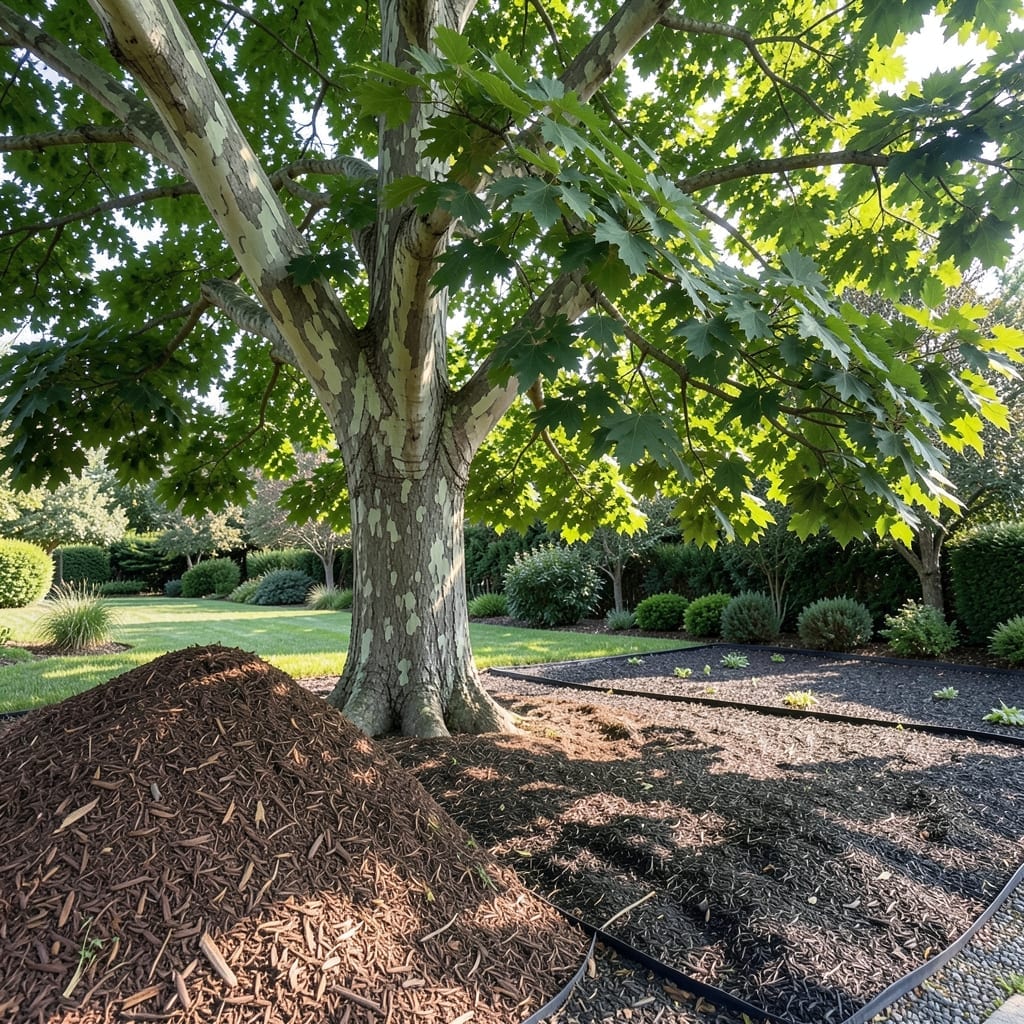
Sycamore leaves can work as mulch but decompose quickly due to their large size and soft texture. They provide nutrients but may mat down, reducing airflow to the soil.
I’ve used sycamore leaves in my garden with mixed results. Their rapid breakdown adds organic matter fast, which is great for enriching topsoil, but you’ll need to monitor thickness to prevent smothering plants. Shredding them first helps create a looser layer that still allows water and air to penetrate. 🔥
💡 In This Article
Sycamore leaves break down faster than typical mulch due to their thin, papery texture and high moisture content. This rapid decomposition happens because the leaves have a low carbon-to-nitrogen ratio of about 20:1, which accelerates microbial activity.
As they decompose, they release nitrogen, phosphorus, and potassium back into the soil within 4-8 weeks under ideal conditions. 🔥
The large size of sycamore leaves—often 4-8 inches wide—creates surface area that traps moisture and heat. This speeds up the breakdown process but also increases the risk of matting. When leaves mat down, they form a dense barrier that reduces oxygen exchange, which can suffocate plant roots and encourage fungal growth.
What makes sycamore leaves unique is their waxy coating, which initially repels water but softens as it breaks down. This coating contains natural compounds that can temporarily inhibit some weed seeds from germinating, giving your plants a competitive advantage early in the growing season. ✨
For comparison, sycamore leaves decompose about 3-4 times faster than oak leaves, which have a tougher structure and higher tannin content. This makes them ideal for gardeners who want quick nutrient cycling but requires more frequent replenishment to maintain consistent mulch coverage.
The decomposition process also generates heat as microbes work, which can be beneficial in cooler climates by warming the soil. However, in thick layers (over 3 inches), this heat can become excessive and potentially damage shallow plant roots. 💫
Yes, they decompose in 4-8 weeks due to their thin texture and 20:1 carbon-to-nitrogen ratio. This rapid breakdown releases nutrients fast but requires frequent replenishment.
Their large size (4-8 inches wide) can mat down, blocking air and water. Always shred them first and keep layers under 3 inches thick.
Run them through a leaf shredder or lawn mower to create 1-2 inch pieces. This prevents matting and helps them decompose evenly across your garden beds.
Avoid using around seedlings or new plantings. Their quick decomposition works better for established plants like perennials, shrubs, and trees.