
Beautiful Plants For Your Interior
Beautiful Plants For Your Interior
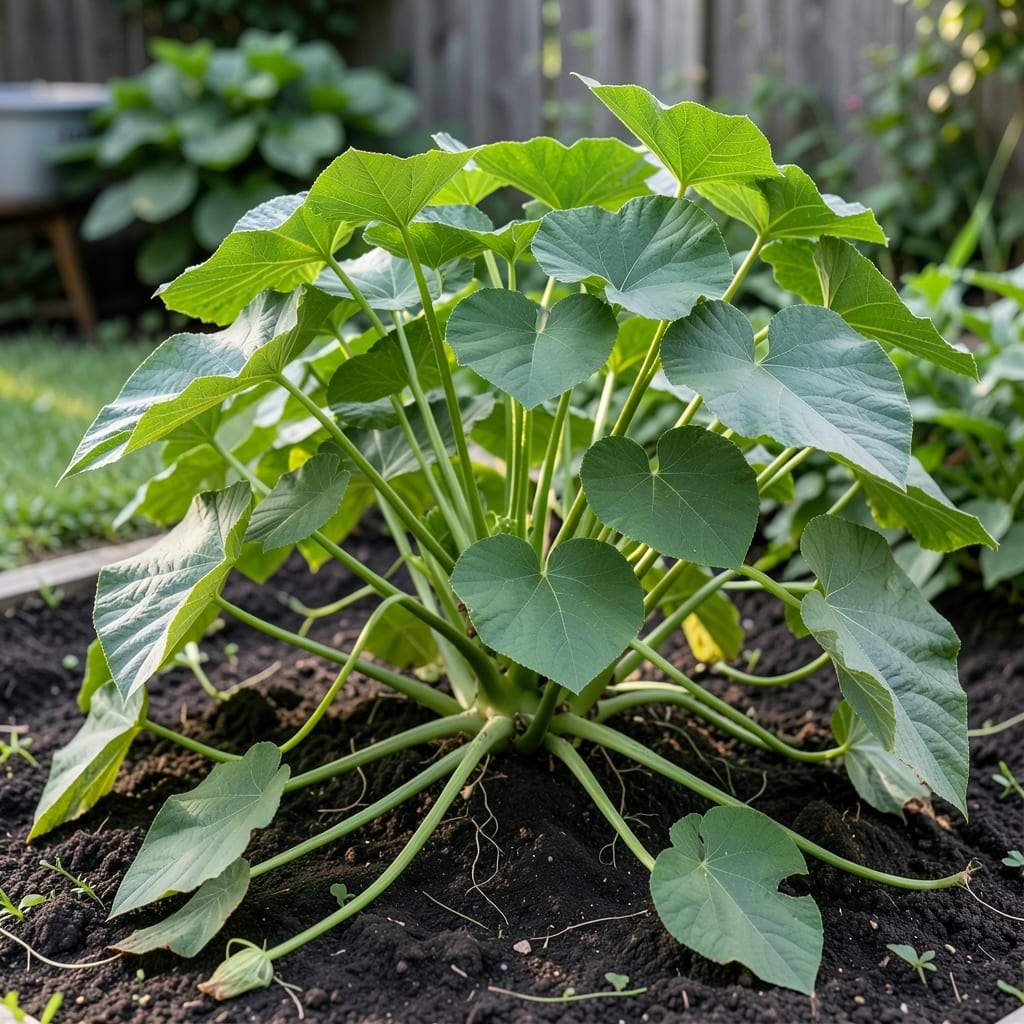
No, sweet potatoes are not nightshades. They belong to the Convolvulaceae family, while nightshades like tomatoes and potatoes are part of the Solanaceae family. Both are unrelated botanically.
I often get asked this because both types of potatoes share a similar name and appearance. The confusion stems from their common culinary uses, yet they’re entirely separate in the plant world. Sweet potatoes actually have edible leaves and vines, unlike regular potatoes, which are in the Solanaceae group with eggplants and peppers. 🔥
💡 In This Article
Sweet potatoes belong to the Convolvulaceae family, known for its twining vines and morning glory-like flowers. This family includes about 60 genera and 1,600 species, characterized by their trumpet-shaped blooms and spiral seed arrangement. The plants thrive in warm climates, with edible tubers forming from adventitious roots rather than true stems. 🔥
Nightshades, or Solanaceae, have a completely different structure. Their flowers are star-shaped with fused petals, and many produce berries or capsules containing numerous small seeds. Key alkaloids like solanine and tomatine are present in nightshades, which sweet potatoes lack entirely. They also grow differently—nightshades often have upright stems with alternate leaves. ✨
This confusion likely stems from both plants producing underground edible parts. However, sweet potatoes develop from root swellings, while regular potatoes form from stem tubers. The leaf structures differ too: sweet potato leaves are heart-shaped, whereas nightshade leaves are often lobed or compound. These botanical distinctions are visible even to the untrained eye. 🌟
The genetic divergence is significant. DNA studies show sweet potatoes share more ancestry with morning glories than with tomatoes. Even their growing habits differ—sweet potatoes spread horizontally via vines, while nightshades tend to grow vertically. This explains why their nutritional profiles and allergens differ so dramatically. ⚡
For gardeners, this means sweet potatoes can be grown alongside nightshades without cross-pollination concerns. Their vining nature makes them excellent ground cover, while nightshades often require staking. The flavor compounds also differ, with sweet potatoes containing more beta-carotene and nightshades having higher solanine content in their leaves. 💫
The name “potato” causes most of the mix-up. Regular potatoes are nightshades, but sweet potatoes are only distantly related. Their similar underground growth and culinary uses add to the confusion.
They’re part of the Convolvulaceae family, closely related to morning glories. This family is known for its vining plants and trumpet-shaped flowers, completely separate from nightshades.
Yes! Unlike nightshade leaves, sweet potato leaves are edible and nutritious. They’re rich in vitamins and can be cooked like spinach. Always wash them thoroughly before use.
Generally yes, since they’re unrelated. However, always consult a doctor first. Allergies vary, and cross-reactivity is possible with other plant families.