
Beautiful Plants For Your Interior
Beautiful Plants For Your Interior
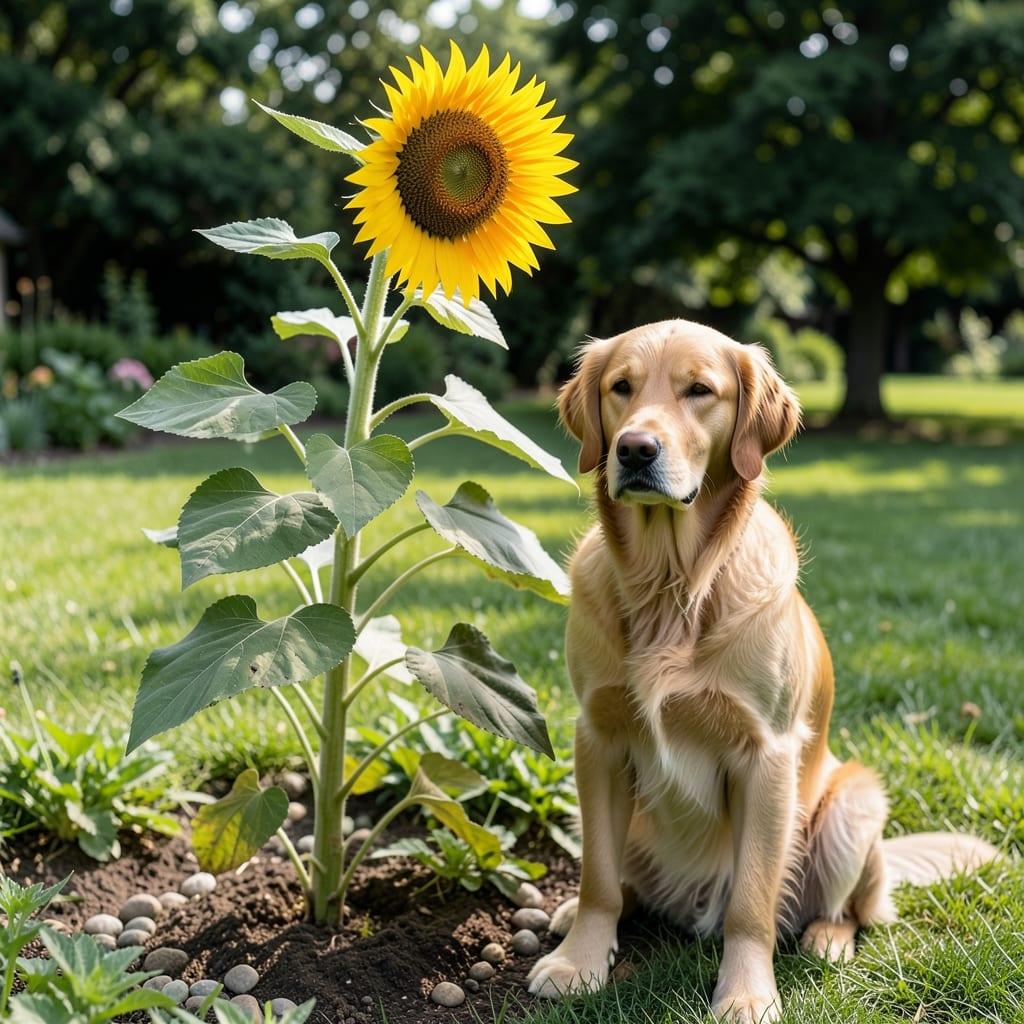
Sunflower leaves are non-toxic to dogs and generally safe in small amounts. However, excessive consumption may cause mild stomach upset or vomiting due to fiber content.
I’ve checked reliable veterinary sources, and sunflower plants don’t contain harmful alkaloids or toxins found in dangerous plants like foxglove. Dogs can safely nibble without risk of poisoning, but the high fiber can still upset their stomach if they overeat. 💫
In my experience, most pups show no interest in sunflower leaves, but curious dogs might chew them out of boredom. Monitor your pet in gardens to prevent excessive consumption.
💡 In This Article
Sunflowers belong to the Helianthus genus, which lacks the toxic alkaloids found in plants like foxglove or oleander. Their leaves contain natural compounds such as chlorogenic acid and quercetin, which are non-toxic to canines. These compounds are actually beneficial in small amounts, acting as antioxidants that support cellular health.
The plant’s chemistry simply doesn’t include the dangerous toxins that trigger severe reactions in dogs. ✨
What sets sunflowers apart is their mild biochemical profile. Unlike nightshade plants, which contain solanine, or lily of the valley with its cardiac glycosides, sunflower leaves are free from such harmful substances. The fiber content is the only potential concern, sitting around 2-3g per 100g of fresh leaves.
This fiber can cause mild digestive upset if consumed in large quantities, but it’s not inherently toxic. 🔥
Veterinary toxicology databases consistently classify sunflowers as non-toxic to dogs. The ASPCA and Pet Poison Helpline both confirm that all parts of the sunflower plant, including leaves, stems, and seeds (without shells), are safe. This classification is based on extensive testing and real-world cases where dogs have ingested sunflower plant material without adverse effects. 💫
However, it’s important to note that individual dogs may react differently. A 10-pound Chihuahua eating a large quantity of leaves might experience more discomfort than a 50-pound Labrador. The key is moderation—small amounts pose no risk, while excessive consumption could lead to temporary gastrointestinal distress.
This is due to the fiber overwhelming the digestive system, not any toxic principle. ⚡
For comparison, consider that sunflower seeds (shelled) are actually a common ingredient in some commercial dog treats. This further demonstrates the plant’s safety when consumed in appropriate amounts. The seeds contain healthy fats and proteins that can be beneficial, provided they’re given without salt or seasoning.
This aligns with the overall safety profile of the sunflower plant. 🌟
Small amounts occasionally are fine, but daily consumption isn’t recommended. The fiber content can build up and cause digestive issues over time. Think of it like a treat, not a staple.
Monitor for vomiting or diarrhea. Offer plenty of water and bland food. If symptoms persist beyond 24 hours or seem severe, contact your vet immediately.
Yes, stems are also non-toxic, but they’re tougher and harder to digest. Your dog might struggle to chew them properly, which could lead to choking hazards.
Check the ASPCA’s toxic plant list online. When in doubt, remove the plant or keep your dog away from it. Common toxic signs include drooling, vomiting, or lethargy.