
Beautiful Plants For Your Interior
Beautiful Plants For Your Interior
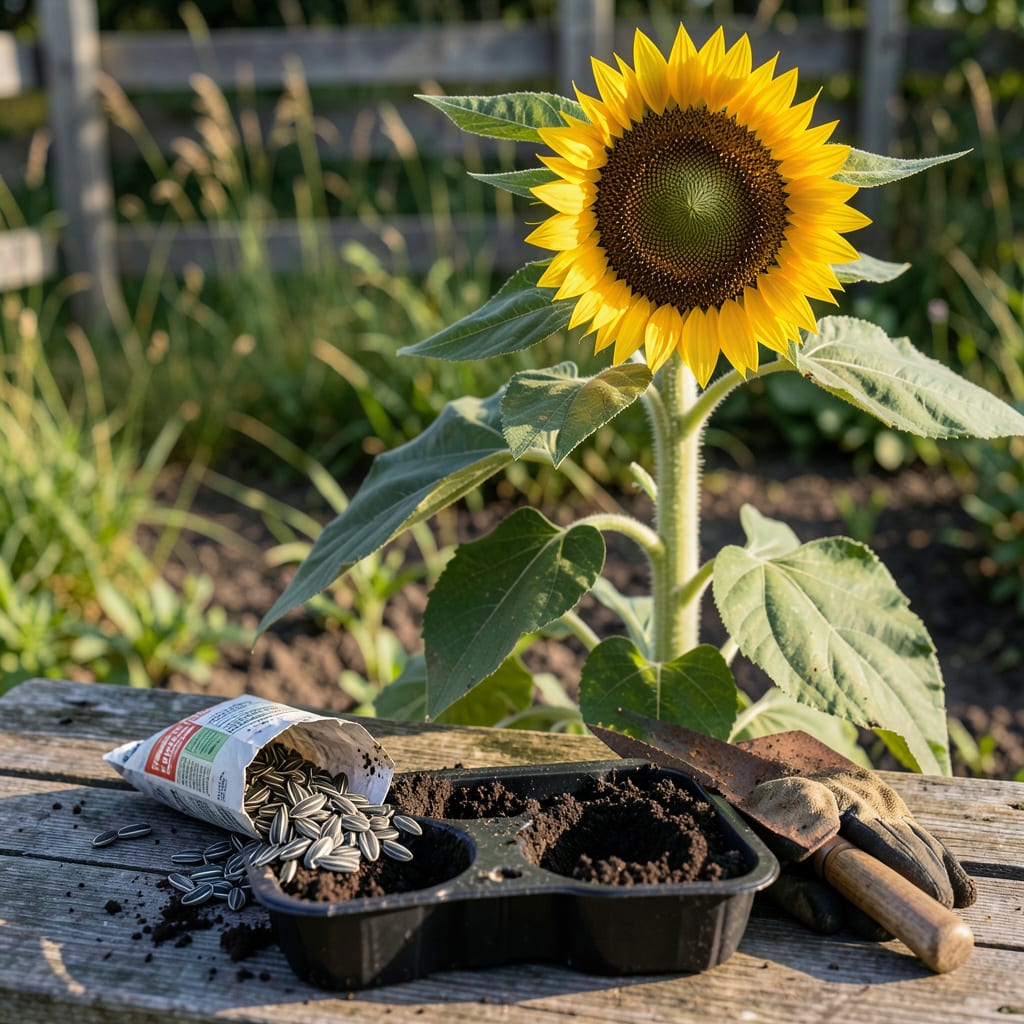
Timing your sunflower seeds wrong in Oregon can mean the difference between towering 12-foot giants and sad, stunted stalks. I’ve seen gardeners in Portland plant too early—only to lose everything to a late frost—while those in Bend wait too long and miss the peak growing window.
Here’s the good news: whether you’re in the misty coast or the dry valleys of Zones 7b–9a, I’ll break down the exact months to plant for maximum blooms. No guesswork, just a foolproof calendar tailored to Oregon’s unpredictable spring—so your 🌻 sunflowers don’t just survive, they thrive.
If you’ve ever watched Oregon’s spring weather flip from sunny skies to sudden frost in a single week, you know timing is critical for sunflowers. These cheerful giants need warm soil (at least 55°F) to germinate, but plant too late, and they’ll struggle to mature before fall rains arrive.
Oregon’s diverse climates—from the cool, foggy coast to the hot, dry valleys—mean planting windows vary dramatically. Coastal gardeners often start 2-3 weeks later than those in the Willamette Valley, where warmer soils kickstart growth earlier.
| Region | USDA Zone | Last Frost Date | Ideal Planting Window | Soil Temp Threshold | Notes |
|---|---|---|---|---|---|
| Oregon Coast (Astoria, Newport) |
8a-9a | March 15–April 1 | Mid-April to May | 55°F+ | Start seeds indoors 3-4 weeks early due to cool springs. Use black plastic mulch to warm soil. |
| Willamette Valley (Portland, Salem, Eugene) |
8a-8b | April 1–15 | Early April to June | 60°F+ | Direct sow after soil reaches 60°F. Stagger plantings every 2 weeks for continuous blooms. |
| Southern Oregon (Medford, Ashland) |
7b-8a | April 15–May 1 | Late April to Early June | 60°F+ | Watch for late frosts in higher elevations. Drought-tolerant varieties like ‘Moulin Rouge’ thrive here. |
| High Desert (Bend, Redmond) |
6b-7a | May 15–June 1 | Late May to Early July | 65°F+ | Short season—choose fast-maturing varieties (60–70 days). Use row covers for early warmth. |
In the Willamette Valley, I aim to plant my sunflowers in mid-April, once soil temps hit 60°F. A soil thermometer is your best friend here—don’t guess! If you’re near the coast, wait until late April to avoid rot from cold, wet soil.
For giant sunflowers (like ‘Russian Mammoth’), start seeds 2–3 weeks earlier than dwarf varieties. They need extra time to reach their 10–12 foot height. In Southern Oregon, where summers sizzle, plant in partial afternoon shade to prevent wilting.
Elevation plays a huge role too. In Bend’s high desert (Zone 6b), I’ve learned to wait until late May—even if the calendar says April. A sudden frost can wipe out young sprouts overnight. Use floating row covers for protection if planting early.
Coastal gardeners, take note: Your cool, moist air slows soil warming. If you’re eager to start, try indoor seed starting in biodegradable pots 4 weeks before transplanting. Just harden off seedlings to avoid shock from windy coastal conditions.
No matter where you are, soil prep is key. Work in 2–3 inches of compost and ensure good drainage—sunflowers hate soggy roots. I like to plant seeds 1–2 inches deep and 12–18 inches apart for standard varieties, closer for dwarfs.
Pro tip: Sunflowers are heavy feeders once they start growing. Mix a balanced fertilizer (like 10-10-10) into the soil at planting, but go easy—too much nitrogen leads to tall, weak stems that topple in Oregon’s occasional summer storms.
Finally, watch the 10-day forecast before planting. If nighttime temps dip below 50°F, hold off. Sunflower seeds rot easily in cold, wet soil, and Oregon’s spring showers can be relentless. When in doubt, wait for consistency—your patience will pay off in towering blooms! 🌻
Oregon’s spring weather loves to keep gardeners on their toes—one day it’s sunny and 70°F, the next you’re scrambling to cover seedlings from late frost. After years of trial and error, I’ve narrowed down the top five tricks to outsmart Oregon’s mood swings and grow sunflowers that stand tall.
First, soil temperature is your secret weapon. Sunflower seeds won’t germinate well below 55°F, and Oregon’s coastal areas often linger in the 40s well into April. I use a $10 soil thermometer to check depths—no more guessing games!
Coastal gardeners, listen up: Your cool, damp air is a double-edged sword. While it reduces pest pressure, it also slows soil warming. I combat this by raising beds 6–8 inches to improve drainage and warmth. Add sand or perlite to heavy clay soils to prevent rot.
In the Willamette Valley, our biggest challenge is overwatering during spring rains. Sunflowers hate soggy roots! I plant on slight mounds and check moisture by sticking my finger 2 inches deep—if it’s dry, water; if damp, wait. A drip irrigation system on a timer saves me from guesswork.
Here’s a game-changer: Stagger your plantings every 2 weeks from April through June. This ensures continuous blooms from July to October, even if one batch falters. I mark my calendar with reminders—it’s the easiest way to extend the season without extra effort.
Don’t forget wind protection, especially in open areas. Sunflowers’ shallow roots make them top-heavy and prone to toppling. I plant mine near a fence or trellis or use bamboo stakes for giants. In windy coastal zones, dwarf varieties like ‘Teddy Bear’ are your best bet.
Finally, feed smartly. Sunflowers are heavy phosphorus users—I mix bone meal into the planting hole for root development. Once buds form, switch to a low-nitrogen fertilizer (5-10-10) to avoid floppy stems. Oregon’s rich valley soils often need less fertilizer than you’d think! 🌻
Not all sunflowers thrive equally in Oregon’s diverse microclimates. Coastal winds, valley heat, and high-desert dryness demand careful variety selection. I’ve tested dozens over the years and found the best performers for each region—plus the ideal planting tweaks to maximize success.
Dwarf varieties like ‘Teddy Bear’ (2–3 ft) are perfect for windy coastal gardens, while towering ‘Russian Mammoth’ (10–12 ft) dominates in the sheltered Willamette Valley. The key? Matching maturity time to your growing season—short-season zones need fast growers under 70 days.
| Variety | Height | Days to Maturity | Best For | Planting Window | Special Notes |
|---|---|---|---|---|---|
| Teddy Bear 🌻 | 2–3 ft | 60–70 | Coastal zones | Mid-April–May | Wind-resistant, fluffy blooms. Start indoors for early color. |
| Lemon Queen 🌻 | 5–6 ft | 70–80 | Willamette Valley | April–June | Pale yellow, pollen-free. Great for cut flowers and allergies. |
| Moulin Rouge 🌻 | 4–5 ft | 65–75 | Southern Oregon | Late April–May | Drought-tolerant, deep red. Thrives in heat and poor soil. |
| Autumn Beauty 🌻 | 5–7 ft | 75–85 | High Desert | May–June | Multi-colored, cold-hardy. Plant in full sun with windbreak. |
| Russian Mammoth 🌻 | 10–12 ft | 90–120 | Sheltered Valleys | Early April–May | Needs staking and rich soil. Start early for giant seeds. |
For coastal gardeners, I recommend ‘Teddy Bear’ or ‘Pacino’—both stay compact and handle wind well. Plant them in late April after the last frost, or start seeds indoors 4 weeks earlier for a head start. Their smaller roots make them ideal for containers too.
In the Willamette Valley, where summers are warm but not scorching, ‘Lemon Queen’ and ‘Velvet Queen’ shine. These mid-height varieties (5–6 ft) offer long bloom periods and resist powdery mildew in our humid summers. Plant in April–May for July–August blooms.
Southern Oregon’s hot, dry summers call for drought-tolerant picks like ‘Moulin Rouge’ or ‘Ring of Fire’. Their deep roots handle heat stress, and their shorter stature (4–5 ft) resists wind damage. Plant in late April—soil warms faster here than on the coast.
High-desert gardeners in Bend or Redmond should focus on fast-maturing varieties like ‘Autumn Beauty’ or ‘Sunbright’. These tolerate cool nights and shorter seasons. Plant in late May after frost risk passes, and use row covers to extend the season.
To extend your sunflower season, stagger plantings every 2–3 weeks from April through June. This ensures blooms from July to October, even if one batch falters. Pair early varieties (like ‘Teddy Bear’) with late bloomers (like ‘Russian Mammoth’) for nonstop color. 🌼
Sunflower seeds need soil temps of at least 55°F to germinate, but 60°F+ is ideal for strong sprouts. Use a soil thermometer to check—Oregon’s coastal areas often lag behind inland valleys by 2–3 weeks in spring warming.
Coastal gardeners should start seeds in biodegradable pots 4 weeks before the last frost (around mid-March). Use a heat mat to maintain 70°F soil temp, and harden off seedlings before transplanting in April.
Cover seedlings with floating row covers or cloches if temps dip below 50°F. In Bend’s high desert, wait until late May to plant, or use black plastic mulch to warm soil faster. Frost can kill sprouts overnight!
Opt for dwarf varieties like ‘Teddy Bear’ (2–3 ft) or ‘Pacino’, which resist wind damage. Plant in sheltered spots near fences or use stakes for support. Their compact size makes them perfect for containers too.
Space giant varieties like ‘Russian Mammoth’ 18–24 inches apart to allow for their massive roots and stems. For dwarfs, 6–12 inches is plenty. Crowding leads to competition for nutrients and smaller blooms.
