
Beautiful Plants For Your Interior
Beautiful Plants For Your Interior
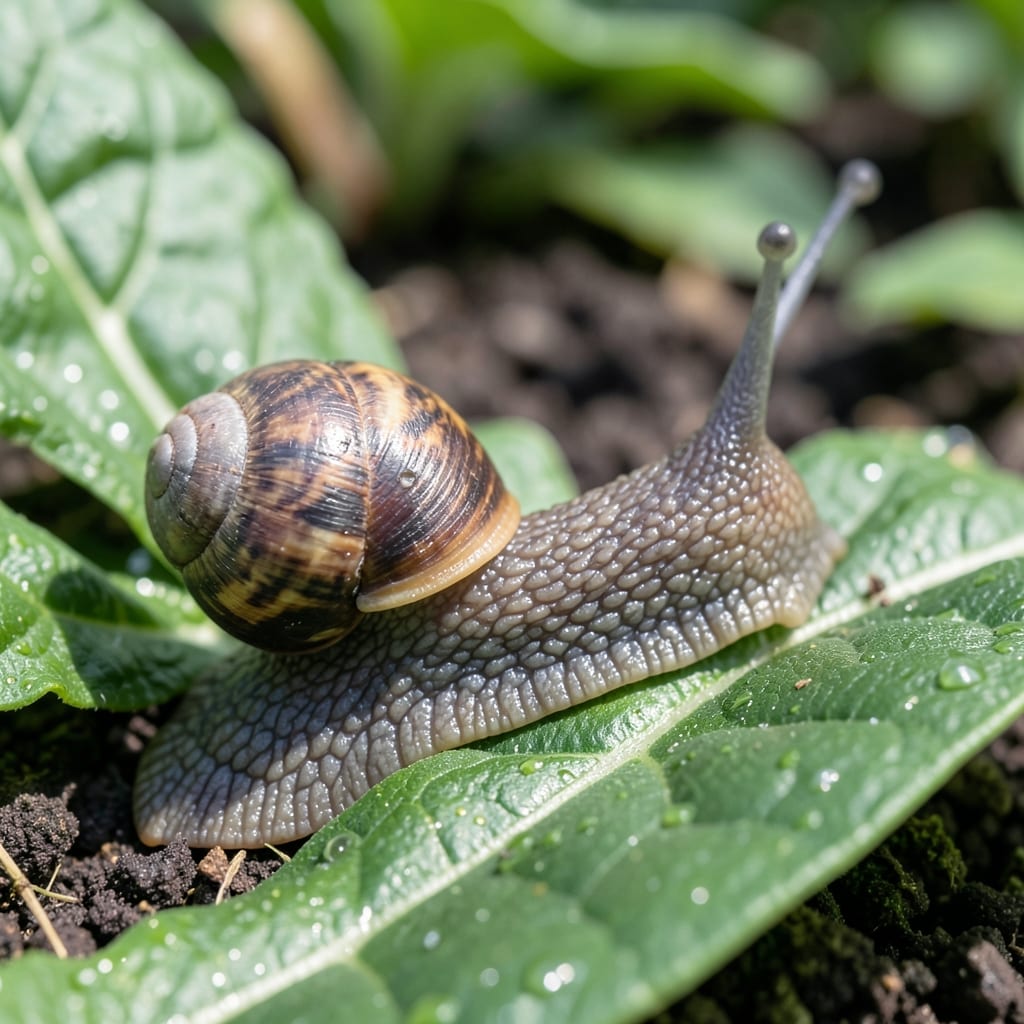
Snails can be harmful to plants as they feed on leaves, stems, and flowers, often causing significant damage to gardens, especially young seedlings and tender vegetation.
I’ve seen entire vegetable patches devastated overnight by these slow-moving pests. 💫 They’re particularly drawn to lush greens like lettuce and basil, leaving behind ragged holes and silvery slime trails as evidence. Their feeding can stunt growth or even kill young plants, which is why gardeners often need to take proactive measures.
💡 In This Article
Snails use a specialized mouthpart called a radula, which contains thousands of microscopic, tooth-like structures. This allows them to scrape and rasp through plant tissue, consuming up to 50% of their body weight in vegetation daily. Their feeding creates irregular, jagged holes in leaves rather than clean cuts, which is a hallmark of their damage.
🔥
Young seedlings and tender new growth are most vulnerable because their soft tissues offer little resistance. Snails particularly target leafy greens like spinach, kale, and lettuce, as well as flowers such as marigolds and dahlias. They’re also drawn to fruits touching the soil, like strawberries, where they can cause significant surface damage. ✨
Their movement leaves behind distinctive silvery slime trails, which not only indicate their presence but can also create conditions for fungal growth on plants. These trails dry into a shiny residue that’s visible in morning light, making it easier to track their nighttime foraging paths through your garden. 💫
Snails are most active during cool, damp conditions, typically feeding at night or after rain when humidity is high. A single snail can lay up to 400 eggs per year, with hatchlings immediately beginning to feed on nearby plants. This rapid reproduction means a small infestation can explode into a major problem within weeks. ⚡
They prefer plants with high moisture content, which is why overwatered gardens often suffer more damage. The combination of their voracious appetite and prolific breeding makes them particularly destructive to home gardens, greenhouses, and commercial nurseries alike. 🌟
Young seedlings and tender greens like lettuce, spinach, and kale are most at risk. Snails also target flowers such as marigolds and fruits like strawberries touching the soil.
Their slime helps them move and protects their bodies from drying out. These silvery trails also create conditions for fungal growth on your plants.
Look for irregular, jagged holes in leaves rather than clean cuts. The presence of slime trails is the clearest sign of snail activity.
They’re most active during cool, damp conditions, typically at night or after rain. However, you might spot them during overcast days in very moist gardens.
A single snail can lay up to 400 eggs per year, and hatchlings start feeding immediately. This rapid reproduction can turn a small problem into a major infestation quickly.