
Beautiful Plants For Your Interior
Beautiful Plants For Your Interior
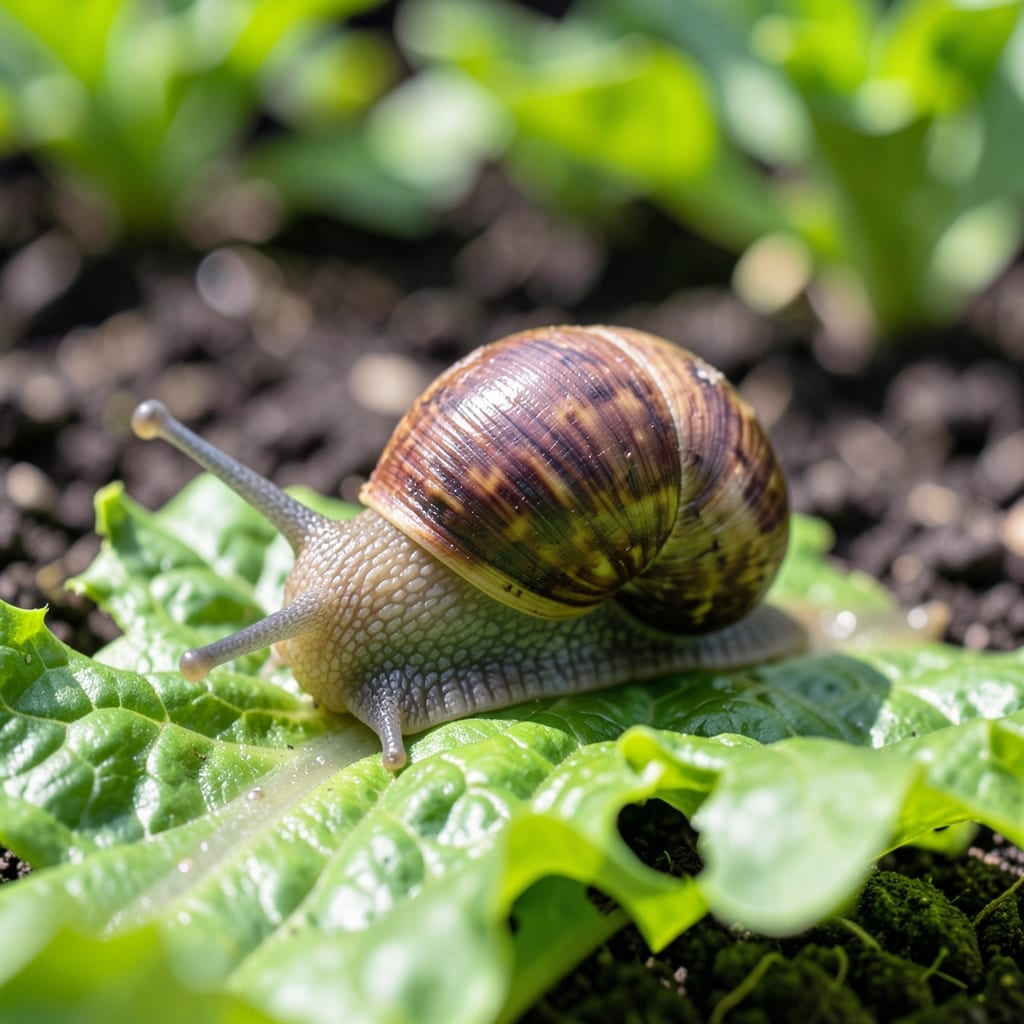
Snails can harm gardens by eating leaves, flowers, and vegetables, especially young plants. However, some species help break down organic matter, improving soil health.
I’ve seen firsthand how these slow-moving pests can decimate seedlings overnight, leaving jagged holes in foliage. Yet, their role in composting is undeniable—they accelerate decomposition, enriching the soil with nutrients. 🔥
Balancing their harm and benefit comes down to species and garden goals. While they thrive in damp, mulched beds, their damage is most severe in tender vegetation like lettuce or marigolds. ✨
💡 In This Article
Snails use their radula—a ribbed, tongue-like organ with 25,000+ microscopic teeth—to scrape and consume plant tissue. This feeding mechanism leaves irregular, jagged holes in leaves, often starting at the outer edges and moving inward. Their preference for tender, high-moisture plants means seedlings and young shoots suffer the most damage. 🔥
These pests are most active at night or during rainte events, when humidity levels exceed 80%. They target crops like lettuce, basil, and marigolds, which have soft foliage. A single snail can consume up to 50% of its body weight in plant material daily, making infestations devastating for small gardens. ✨
Signs of snail damage include silvery slime trails on soil and plants, as well as skeletonized leaves where only the veins remain. They often hide under mulch or debris during the day, emerging to feed when conditions are favorable. This behavior makes them difficult to spot until the damage is already done. 💫
Interestingly, snails avoid plants with strong scents or fuzzy textures, like rosemary or lamb’s ear. Their feeding patterns also change with temperature—below 40°F, they become sluggish, while above 75°F they seek shade to prevent desiccation. This explains why damage spikes in mild, damp spring conditions. ⚡
For gardeners, the key is understanding that snails don’t just eat—they also reproduce rapidly. A single snail can lay up to 400 eggs annually in moist soil, leading to exponential population growth if left unchecked. This reproductive potential means early intervention is critical to preventing widespread damage. 🌟
They prefer tender, high-moisture plants like lettuce, basil, and marigolds. Seedlings and young shoots are especially vulnerable to their feeding.
No, some species help break down organic matter, improving soil health. Only certain types actively damage plants by eating leaves and flowers.
Look for silvery slime trails on soil or plants, and jagged holes in leaves. They’re most active at night or during rainy weather.
Copper barriers and coffee grounds work well. A 2-3 inch band of coffee grounds around plants deters them with its texture and caffeine.
They thrive in damp conditions, especially at night or when humidity exceeds 80%. Damage often spikes in mild, wet spring weather.