
Beautiful Plants For Your Interior
Beautiful Plants For Your Interior
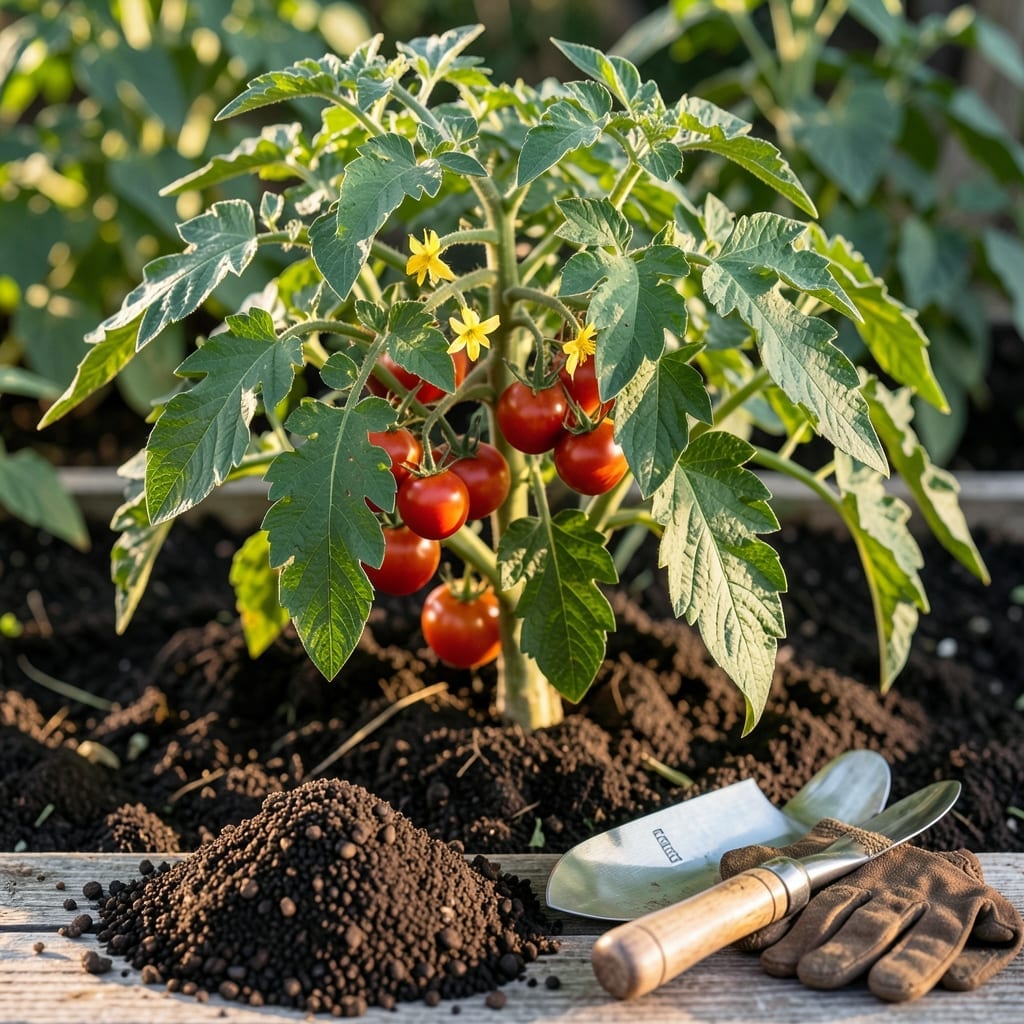
Coffee grounds benefit acid-loving plants like azaleas and tomatoes but can harm calcium-sensitive ones like geraniums or asparagus ferns. Use sparingly and compost first for best results.
I’ve seen firsthand how coffee grounds can transform gardens, but their impact depends entirely on the plant’s needs. Acid-loving species thrive with the extra nitrogen and lowered pH, while others may suffer from stunted growth. Composting first helps neutralize the acidity and prevents mold, making it safer for a wider variety of plants. 🌟
💡 In This Article
Coffee grounds add organic matter with a carbon-to-nitrogen ratio of 20:1, making them a “green” compost material. As they decompose, they release 2% nitrogen by weight, which plants absorb as nitrates. This boosts leafy growth but can burn roots if applied directly in large quantities. The real magic happens with the pH effect.
Fresh coffee grounds are moderately acidic, with a pH of 6.2-6.8 (similar to banana peels). When worked into soil, they gradually lower pH over 2-4 weeks, creating ideal conditions for acid-loving plants. This acidity also increases the solubility of soil nutrients like phosphorus and iron, making them more available to plant roots.
Here’s what most gardeners miss: The decomposition process is driven by microbes that consume the grounds. This microbial activity generates heat (up to 130°F in compost piles) and produces humus—a dark, nutrient-rich substance that improves soil structure. The increased microbial population also helps suppress some soil-borne diseases.
However, the same acidity that benefits azaleas can lock up essential nutrients like calcium and magnesium for other plants. In calcium-loving species, this can lead to blossom end rot in tomatoes or stunted growth in geraniums.
The nitrogen release can also temporarily tie up soil nitrogen as microbes break down the carbon in the grounds, a process called “nitrogen immobilization.”
What makes coffee grounds unique is their ability to both feed plants and improve soil structure. The coarse texture helps loosen clay soils while retaining moisture in sandy soils. But remember, used coffee grounds have already had most of their acids extracted during brewing, making them less acidic than fresh grounds.
For best results, limit applications to 1/4 inch layer around plants monthly, or mix 1 part grounds to 3 parts soil in potted plants. Always monitor your plants’ response—yellowing leaves can signal too much acidity. 🌟
Plants that prefer alkaline soil, like asparagus, lilacs, and herbs such as oregano and thyme, can suffer from yellowing leaves or stunted growth. Always compost first for sensitive plants.
For acid-loving plants, use a 1/4 cup per plant monthly. For vegetables like tomatoes, apply 1 tablespoon every 2 weeks. Monitor for signs of over-acidification.
No, fresh grounds are too strong and can stunt growth. Always compost first or mix with soil to reduce potency.
Mix 1 part coffee grounds with 3 parts potting soil. This ratio works well for ferns, African violets, and most houseplants.