
Beautiful Plants For Your Interior
Beautiful Plants For Your Interior
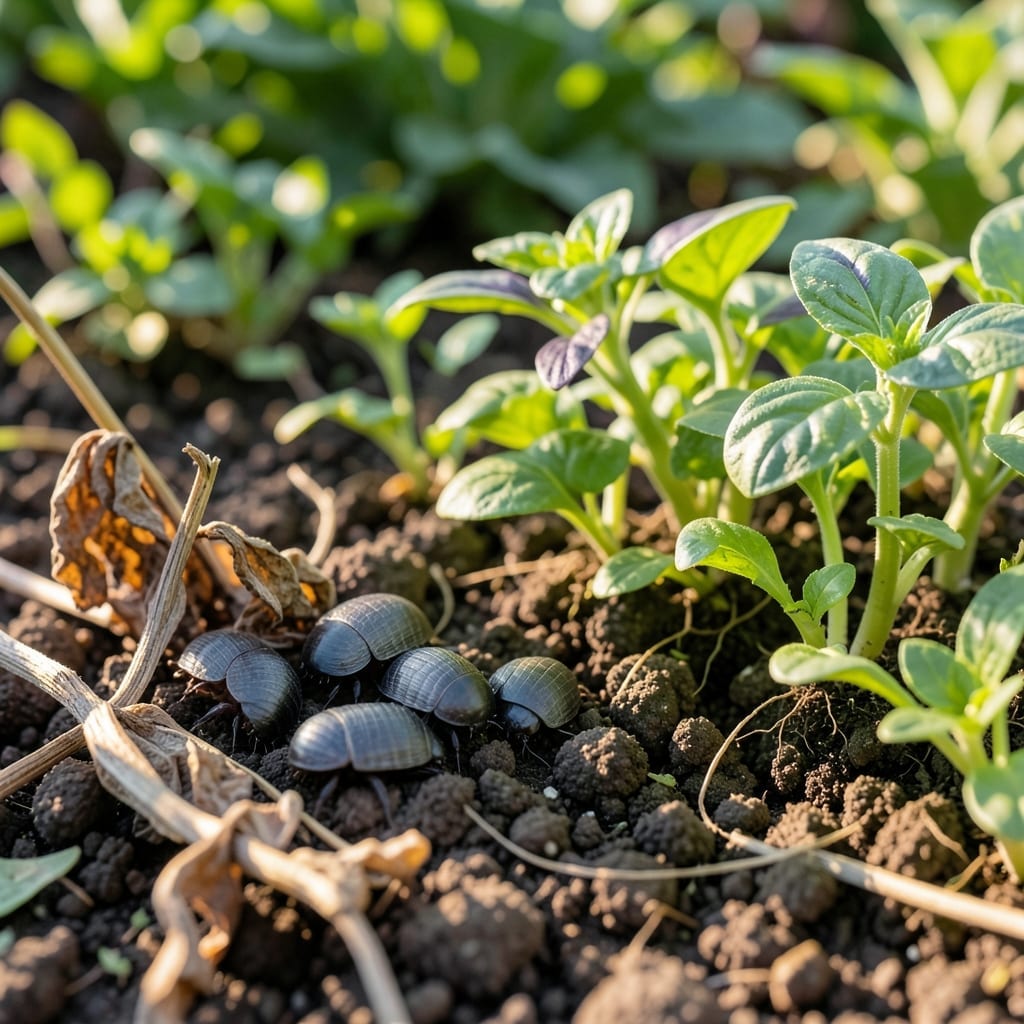
Roly polys are generally beneficial for gardens as they break down organic matter, improve soil health, and rarely harm living plants. They only become a nuisance in very large numbers.
I love having these little helpers in my garden—they act as nature’s cleanup crew by recycling dead plant material into rich soil. Their presence often signals a healthy ecosystem with good decomposition activity. 🌟
However, when their populations explode, they might nibble on young seedlings or delicate roots, but this is uncommon with proper garden maintenance.
💡 In This Article
These armored arthropods are nature’s recycling machines, consuming decaying leaves, wood, and plant matter at an impressive rate. Their digestive process breaks down cellulose and lignin—complex compounds in dead plant material—that most decomposers struggle with. This creates humus-rich soil that retains moisture and nutrients better than unprocessed organic matter. 🔥
A single roly poly can process up to half its body weight in organic material daily. Their castings (waste) are particularly valuable, containing 5-10 times more nitrogen than the original material they consumed. This makes them more efficient than earthworms at returning nutrients to the soil in a form plants can absorb. ✨
Gardeners often notice improved soil structure where roly polys thrive. Their burrowing creates micro-channels that enhance aeration and water infiltration, reducing soil compaction by up to 30%. This is especially beneficial in clay-heavy soils where drainage is typically poor. 💫
Their presence indicates a balanced ecosystem. Roly polys only thrive in soils with pH 6-7.5 and adequate moisture, making them living barometers of soil health. If you see them, you can be confident your garden’s foundation is in good shape. 🌟
They also serve as a food source for beneficial predators like birds, toads, and ground beetles. This creates a natural pest control system where populations self-regulate through the food chain, preventing any single species from becoming overly dominant. ⚡
They rarely do, but large groups might nibble on soft seedlings. This typically happens only when their population explodes due to excess organic debris.
They break down dead leaves and wood into nutrient-rich humus, improving soil structure and moisture retention. Their waste contains 5-10 times more nitrogen than the original material.
Damp environments with plenty of decaying plant matter are ideal. They thrive in soils with pH 6-7.5 and good moisture levels, signaling healthy garden conditions.
Yes, use rolled newspaper traps at dusk to collect and relocate them. Avoid pesticides, as they harm beneficial garden creatures too.
Only if you see hundreds per square foot or notice damage to tender plants. A few dozen are normal and actually beneficial for your garden.