
Beautiful Plants For Your Interior
Beautiful Plants For Your Interior
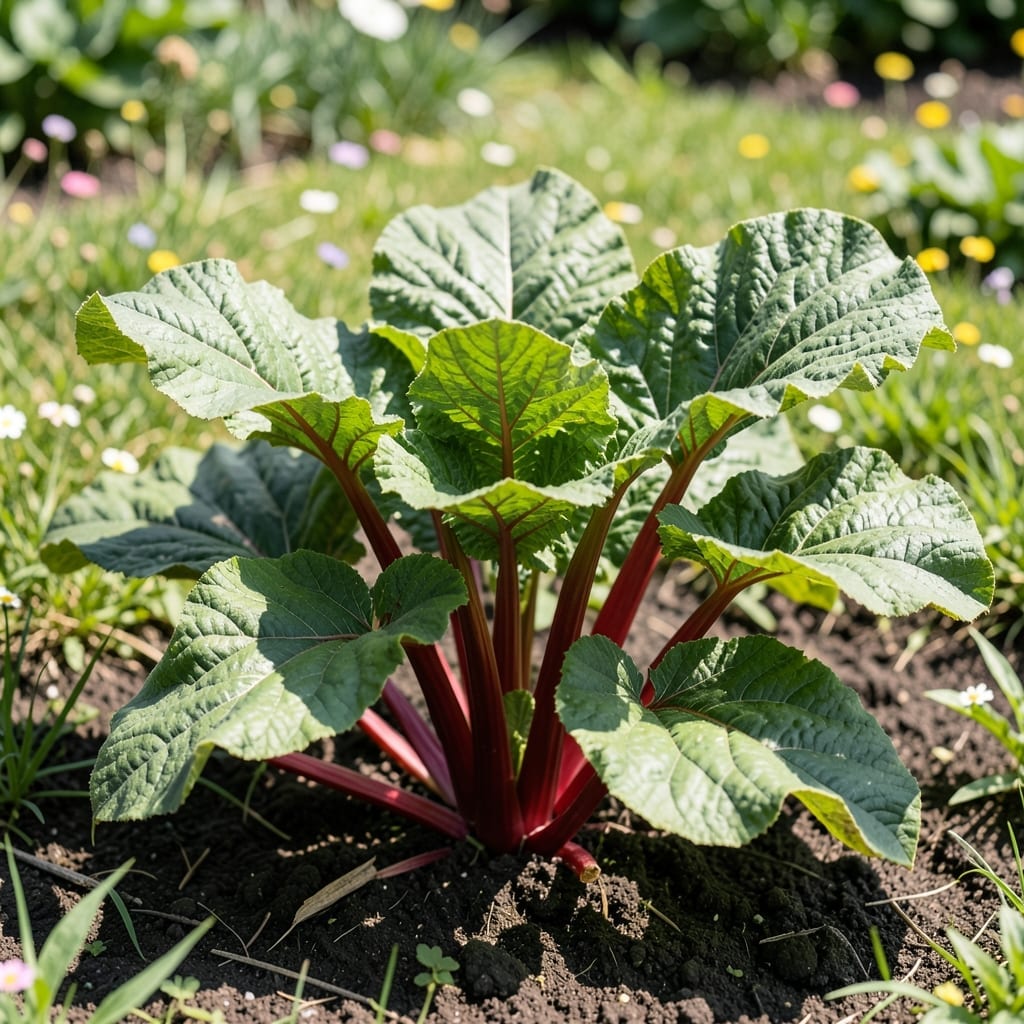
Rhubarb leaves contain oxalic acid and anthraquinone glycosides, which are toxic. Brief skin contact may cause irritation, but severe poisoning typically requires ingestion, not just touching.
I always wear gloves when handling rhubarb plants because the leaves can trigger skin irritation or rashes in sensitive individuals. The real danger comes from eating them, as the oxalic acid can cause kidney damage or worse. 🌟
What’s interesting is that the stalks we eat are perfectly safe—it’s only the leaves that pose risks, even to pets.
💡 In This Article
Rhubarb leaves pack two main toxins: oxalic acid and anthraquinone glycosides. Oxalic acid binds with calcium in your body, forming sharp crystals that damage kidneys and other tissues. These crystals can also irritate skin on contact, causing redness or itching.
Anthraquinones act as powerful laxatives, which is why eating leaves often leads to severe stomach distress. 🔥
The concentration is alarmingly high—rhubarb leaves contain about 0.5-1% oxalic acid by weight. To put that in perspective, you’d need to eat 5-25 grams of leaves per kilogram of body weight for a lethal dose. Even smaller amounts can cause nausea, vomiting, or diarrhea.
The toxins are more concentrated in mature leaves than young ones, but all leaf parts remain dangerous. ✨
Skin exposure typically causes only mild irritation because oxalic acid doesn’t absorb well through intact skin. However, people with cuts, eczema, or sensitive skin may experience stronger reactions. The irritation often appears within 15-30 minutes of contact and resembles a mild chemical burn. Washing immediately with soap and water usually resolves it. 💫
What’s particularly concerning is how these compounds interact. Anthraquinones increase gut absorption of oxalic acid, making ingestion more dangerous than either compound alone. This synergistic effect explains why even small amounts of leaves can cause significant symptoms. The leaves remain toxic even when cooked, dried, or composted. ⚡
Historically, rhubarb leaf poisoning was more common when people used the leaves as a food wrap or in homemade remedies. Today, most cases involve children or pets accidentally consuming them. The stalks, by contrast, contain only trace amounts of these toxins—about 2-25 mg of oxalic acid per 100g—making them safe to eat. 🌟
Brief contact may cause mild skin irritation or a rash. The oxalic acid in leaves can lead to redness or itching, especially if you have cuts or sensitive skin. Wash immediately with soap and water.
Symptoms typically develop within 15-30 minutes. It resembles a mild chemical burn, with redness or a slight burning sensation. Most reactions resolve after washing.
No, avoid composting if pets or livestock might access it. The toxins remain active even after composting. Burn the leaves or dispose of them in sealed trash bags.
Yes, those with eczema, open wounds, or sensitive skin may react more strongly. Always wear gloves and long sleeves when handling to minimize risk.