
Beautiful Plants For Your Interior
Beautiful Plants For Your Interior
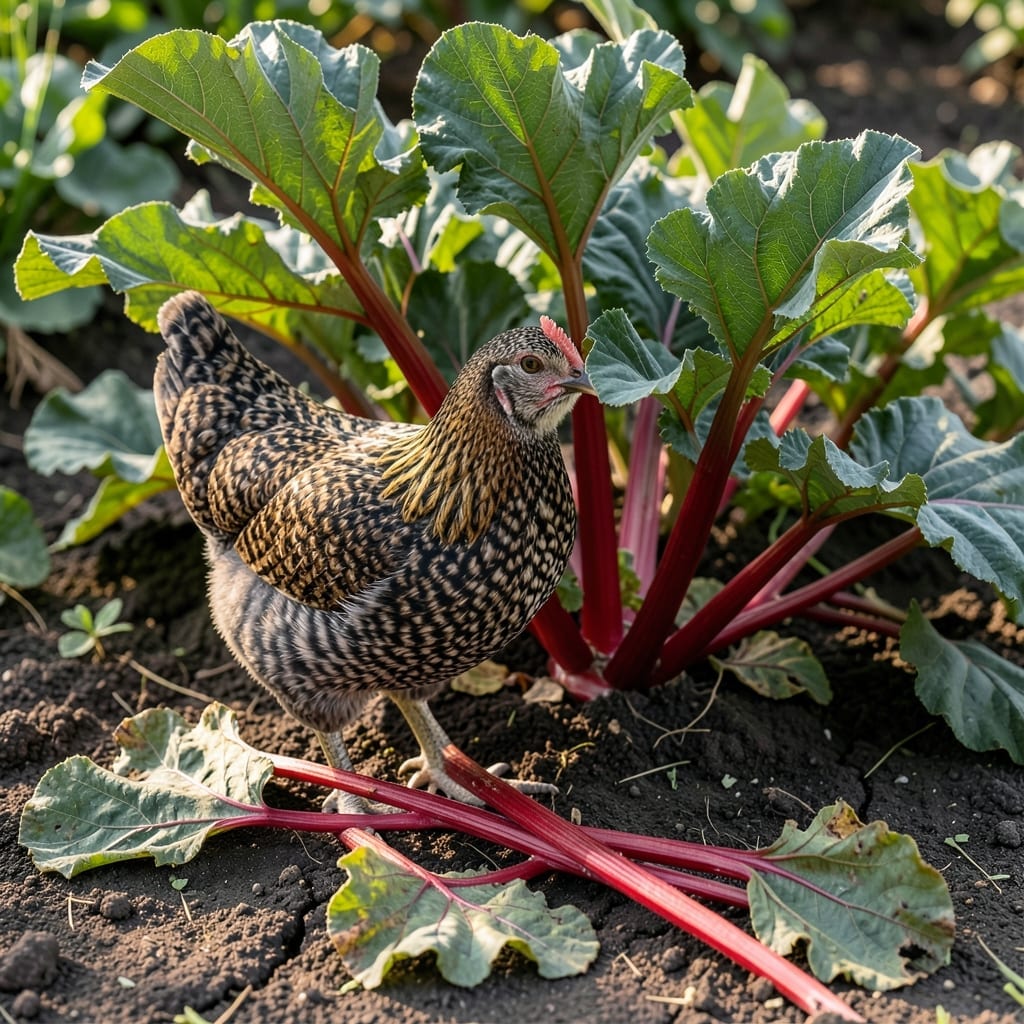
Yes, rhubarb leaves are highly toxic to chickens due to their high oxalic acid content, which can cause kidney failure, tremors, and even death if ingested in large quantities.
I always warn fellow poultry keepers about this hidden danger in garden scraps. The oxalates bind with calcium in a chicken’s system, creating insoluble crystals that damage organs. Even small amounts can trigger lethargy or diarrhea, while larger doses may prove fatal within hours. 💫
It’s not just the leaves—rhubarb stems in excess can also cause issues, though they contain far less oxalic acid.
💡 In This Article
Oxalic acid in rhubarb leaves disrupts calcium absorption in a chicken’s digestive tract. This compound binds with calcium to form calcium oxalate crystals, which accumulate in the kidneys and urinary tract. These sharp crystals physically damage tissues and impair organ function, leading to systemic toxicity. 🔥
The concentration is alarming: rhubarb leaves contain 0.5-1.5% oxalic acid by weight, compared to just 0.1-0.2% in the edible stems. A chicken weighing 4-5 lbs could show symptoms after consuming as little as 2-3 leaves, with fatal doses starting around 5-10 leaves depending on the bird’s size and health. 💫
Early signs appear within 30 minutes to 2 hours and include excessive thirst, tremors, and difficulty breathing. The crystals cause severe pain as they move through the urinary system, often leading to blood in droppings or complete kidney shutdown. Unlike mammals, chickens lack efficient mechanisms to metabolize high oxalate loads. ⚡
What makes this especially dangerous is that chickens are naturally curious foragers. They’ll peck at bright green leaves without hesitation, and the bitter taste of oxalates doesn’t always deter them. Even wilted or dried leaves retain their toxicity, making compost piles a hidden risk if chickens have access. ✨
The damage progresses rapidly because chickens have a high metabolic rate. Their small size means toxins circulate quickly through their system. Veterinary intervention is often too late once clinical signs appear, as the crystalline damage to kidneys is typically irreversible by that point.
A 4-5 lb chicken may show symptoms after eating just 2-3 leaves. Fatal poisoning can occur with 5-10 leaves, as the oxalic acid concentration is extremely high. Always keep leaves far from their reach.
Symptoms appear within 30 minutes to 2 hours. Look for excessive thirst, tremors, or difficulty breathing. Blood in droppings or lethargy are later warning signs. Act fast—damage can become irreversible.
No, cooking does not reduce oxalic acid levels enough to make them safe. The toxins remain potent whether leaves are fresh, wilted, or cooked. Never feed them to chickens in any form.
Remove access immediately and offer plenty of fresh water. Call a vet right away—supportive care like calcium supplements may help, but time is critical. Don’t wait for symptoms to appear.