
Beautiful Plants For Your Interior
Beautiful Plants For Your Interior
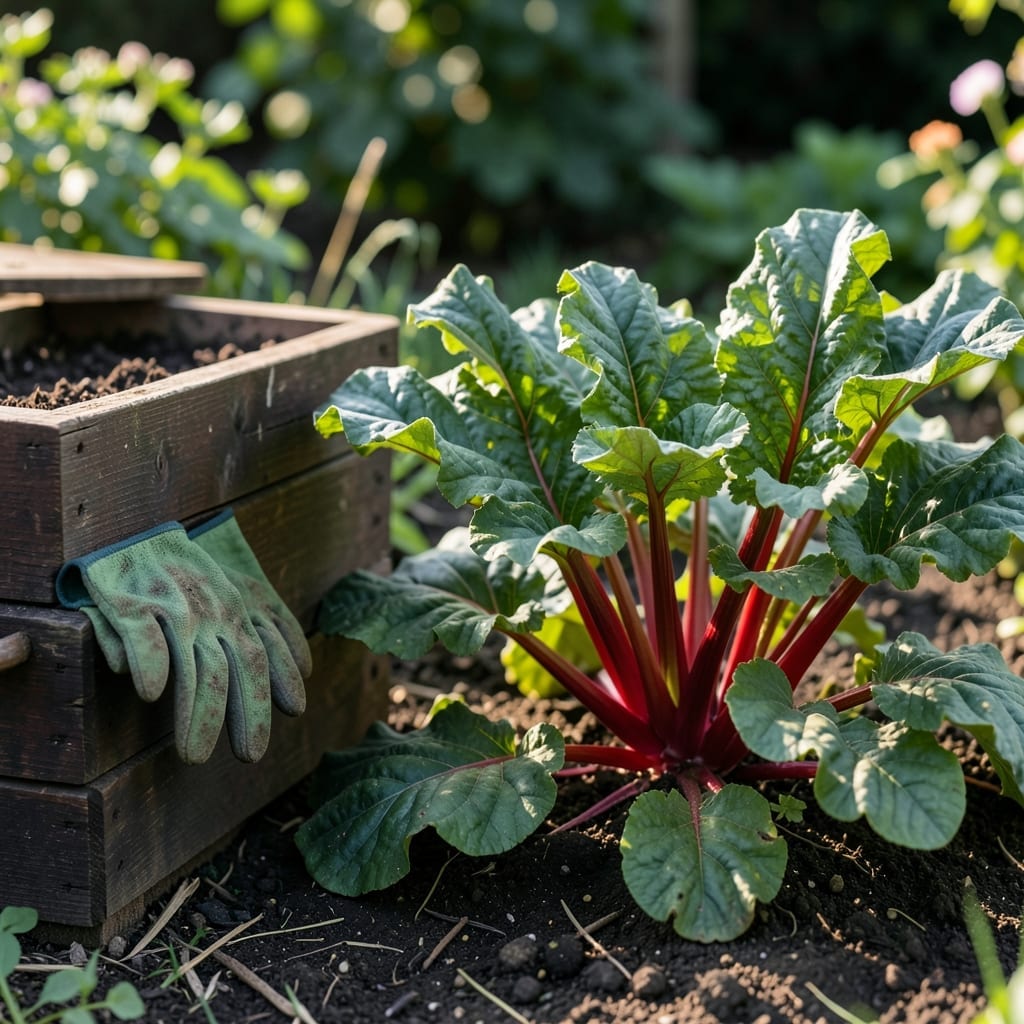
Rhubarb leaves contain toxic oxalic acid and should never be eaten. They can cause severe poisoning. However, they have limited uses in compost or as natural pest deterrents when handled properly.
I always stress that the high concentration of oxalates makes them dangerous to consume, as they can lead to kidney damage or even be fatal in large amounts. 🔥 In my garden, I use them as a natural slug repellent or add them to compost piles in small quantities, but I make sure they’re never near edible plants.
💡 In This Article
The toxicity comes from oxalic acid and anthraquinone glycosides, compounds concentrated at 0.5-1.5% of the leaf’s weight. These bind with calcium in the body, forming insoluble calcium oxalate crystals that damage kidneys and urinary tract. The acidity is so potent that just 10-25 grams of leaves can cause severe symptoms in adults.
Historical records show World War I cases where starving populations ate rhubarb leaves, resulting in fatal poisonings. The stalks, by contrast, contain only 0.1-0.2% oxalic acid—safe when cooked. The plant stores these toxins in leaves as a natural defense against herbivores, a survival mechanism that unfortunately makes them deadly to humans. 🔥
Symptoms typically appear within 30 minutes to 2 hours after ingestion. Initial signs include burning in the mouth and throat, followed by nausea, vomiting, and diarrhea. In severe cases, victims experience difficulty breathing, seizures, or kidney failure. The crystals physically damage tissues as they form and move through the body.
Children are particularly vulnerable due to their lower body weight. A child consuming just 5-10 grams of leaves per kilogram of body weight could face life-threatening consequences. Even cooking doesn’t neutralize these compounds—heat actually increases oxalic acid concentration by breaking down other leaf components.
This toxicity explains why rhubarb leaves have never been part of traditional cuisine, despite the edible stalks being a staple in pies and jams for centuries. Gardeners should always wear gloves when handling leaves, as skin absorption—while rare—can cause irritation in sensitive individuals. ✨
Yes, but in moderation. Use no more than 10% of your total compost volume and alternate with “brown” materials. Chopping them first speeds up decomposition.
Soak 1 cup of chopped leaves in 1 quart of water for 24-48 hours, then strain to create an effective aphid and slug repellent spray.
Symptoms appear within 30 minutes to 2 hours. Expect mouth burning, nausea, vomiting, and possible kidney damage. Seek medical help immediately.
Never burn them—the smoke is toxic. Bury leaves 2 feet deep away from edible plants, or compost them as described above. Always wear gloves.