
Beautiful Plants For Your Interior
Beautiful Plants For Your Interior
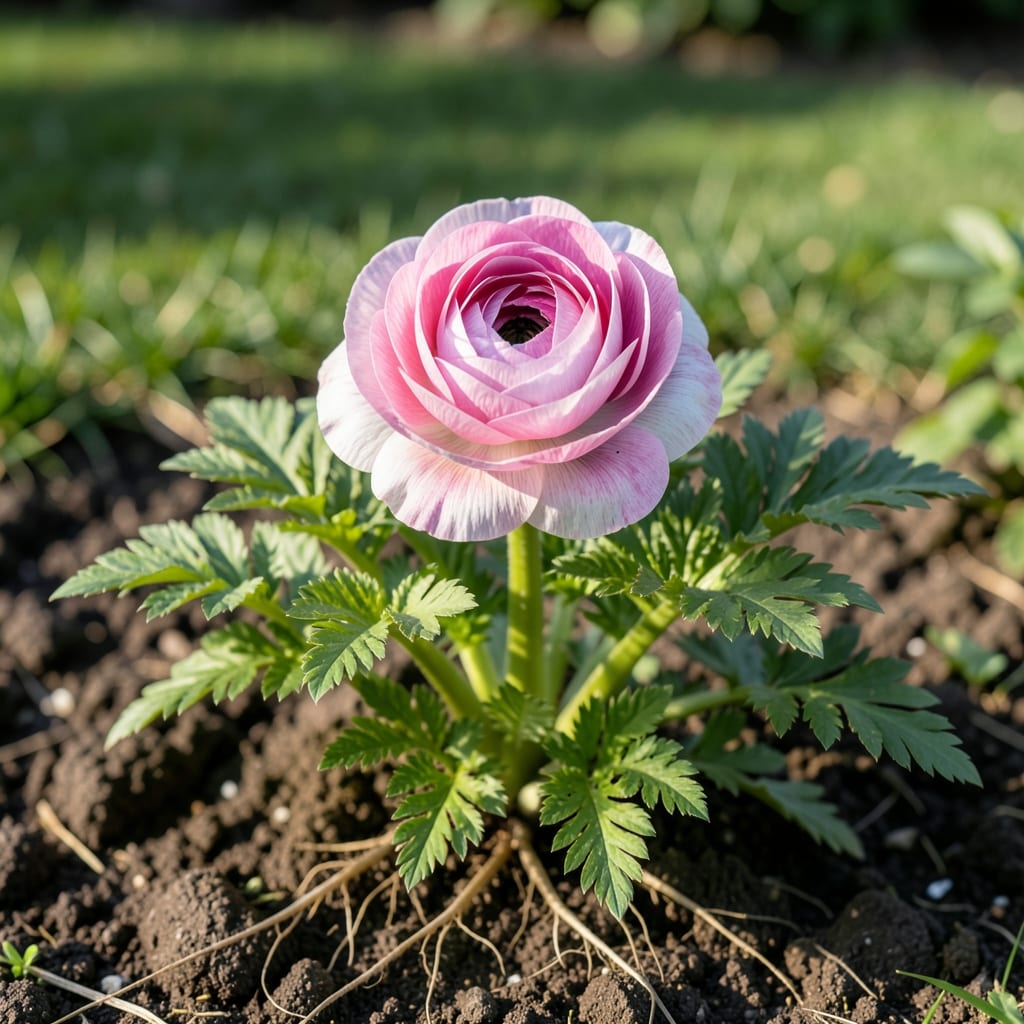
Ranunculus can be moderately challenging due to their specific soil, water, and temperature needs, but with proper care, even beginners can grow them successfully.
I’ve found they thrive in well-draining soil with consistent moisture, not too wet or dry. 60-70°F is their ideal temperature range, which can be tricky in extreme climates. The reward is their stunning, layered blooms that last for weeks with the right attention. 🌟
What helps most is starting with healthy tubers and giving them a sunny spot with afternoon shade in hotter areas.
💡 In This Article
The delicate balance starts with soil. Ranunculus tubers rot easily in heavy, waterlogged earth but struggle in sandy, fast-draining mixes. They need a loamy, well-draining medium with a pH between 6.0-7.0 to absorb nutrients without waterlogging. This sensitivity means even slight soil compaction can suffocate their roots. 🌱
Moisture is equally critical. These flowers demand consistent dampness—never soggy, never bone-dry. Their tubers act like sponges, absorbing water to fuel rapid spring growth, but they’ll decay if left in standing water for more than 24-48 hours. A drip irrigation system on a timer often works best. ✨
Temperature plays a starring role too. Ranunculus enter dormancy above 75°F and stall below 50°F. Their sweet spot is 60-70°F, which is why they’re often grown as cool-season annuals. Sudden frosts can damage emerging shoots, while heatwaves may cause buds to abort before opening. 💫
Light exposure adds another layer. They crave full sun (6+ hours daily) but scorch in intense afternoon heat. In hotter zones, dappled shade during peak hours prevents petal burn. This goldilocks approach to light is non-negotiable for vibrant, long-lasting blooms. 🔥
Even humidity matters. Low humidity can cause buds to dry out, while high humidity invites fungal diseases like powdery mildew. A gentle breeze helps, but strong winds can snap their hollow stems. These overlapping needs explain why they’re often labeled as finicky. 🌟
Soaked tubers typically sprout in 2-3 weeks at 60-70°F. Cooler soil slows this to 4-6 weeks, while warmer conditions may speed it up. Keep soil consistently moist but not soggy during this period.
This often signals heat stress or inconsistent watering. Buds abort if temps exceed 75°F or if soil dries out completely. Move plants to shade and maintain even moisture to prevent this.
Yes! Use containers at least 8-12 inches deep with drainage holes. A quality potting mix amended with compost works best. Potted plants need more frequent watering than garden beds.
Reduce watering as foliage yellows (usually 6-8 weeks after flowering). Stop completely when leaves die back. Let soil dry out before harvesting tubers to prevent rot during storage.