
Beautiful Plants For Your Interior
Beautiful Plants For Your Interior
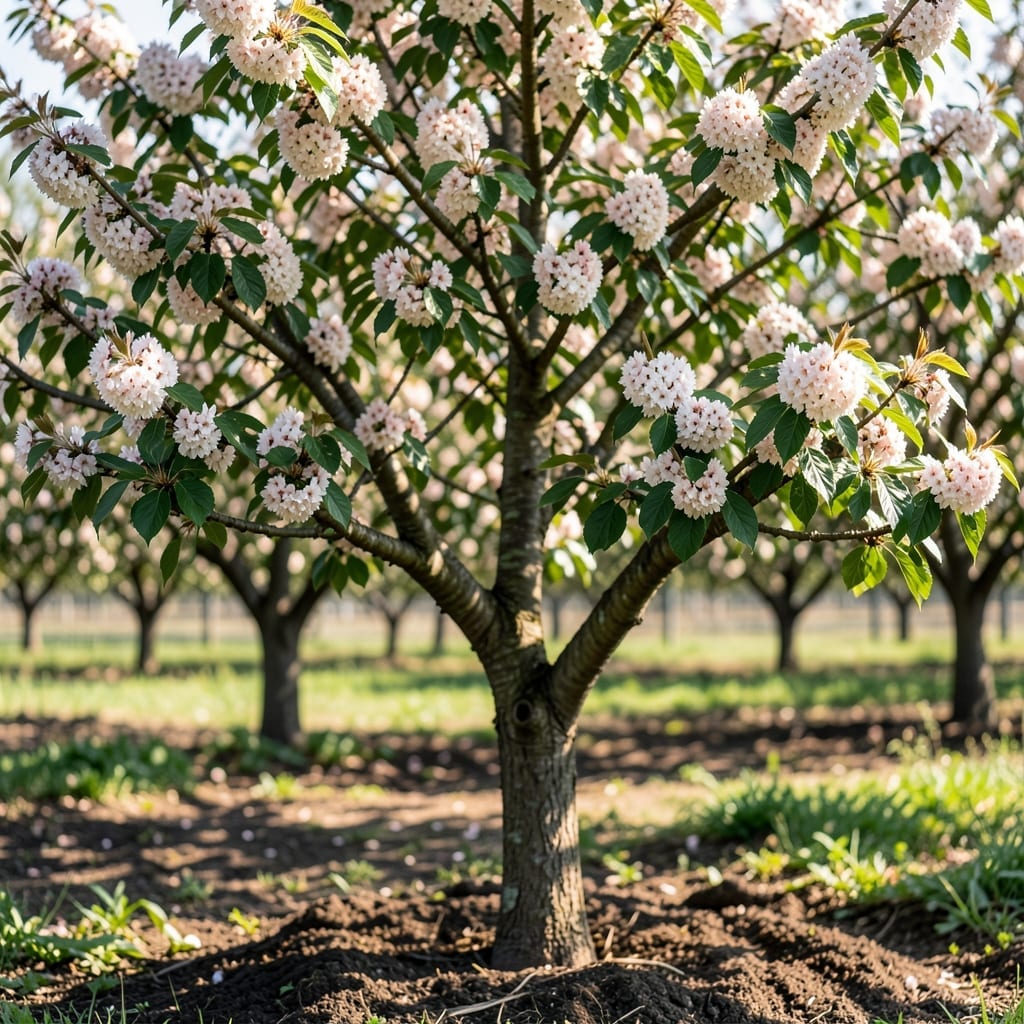
Rainier cherries are not self-pollinating. They require cross-pollination from a compatible sweet cherry variety, like Bing or Stella, to produce fruit.
This means you’ll need to plant at least one other sweet cherry tree nearby for successful fruit production. 🔥 I’ve found that varieties like Lambert or Van also work well as pollinators. The trees must be within 100 feet of each other to ensure proper pollen transfer by bees.
What’s fascinating is that this requirement actually improves fruit quality. 💫 Cross-pollination often results in larger, sweeter cherries compared to self-pollinating varieties.
💡 In This Article
Rainier cherries possess a genetic trait called self-incompatibility, meaning their own pollen cannot fertilize their ovules. This is due to a recognition system in the pistil that rejects pollen grains carrying the same S-alleles as the tree itself. The mechanism prevents inbreeding and maintains genetic diversity within cherry populations.
The process requires pollen from a different sweet cherry variety to successfully fertilize the blossoms. Bees and other pollinators transfer this compatible pollen between trees during their foraging. Each Rainier cherry blossom contains 5-7 ovules, and each needs to be pollinated to develop into a full, plump cherry.
This biological safeguard explains why isolated Rainier trees produce little to no fruit. Even with abundant blossoms, the lack of compatible pollen means the flowers will drop without setting fruit. Commercial orchards typically plant pollinator varieties in every 3rd or 4th row to ensure adequate pollen distribution. 🔥
Temperature also plays a role in this process. Pollination works best when temperatures range between 55-75°F during bloom time. Cooler temperatures can slow bee activity, while extreme heat may desiccate pollen grains before they reach the stigma. The ideal window for pollen transfer occurs within 2-4 days of the blossoms opening.
What many growers notice is that cross-pollinated Rainier cherries often exhibit superior characteristics. The genetic mixing tends to produce fruit with better size, color, and sugar content compared to self-pollinated varieties. This is why orchards with proper pollination partners typically see 20-30% higher yields of premium-quality cherries. ✨
It will bloom but produce little to no fruit. Without a compatible pollinator, the blossoms won’t be fertilized and will simply drop.
Keep them within 50-100 feet of your Rainier. Bees typically travel 2-3 miles but closer placement ensures better pollen transfer.
Most sweet cherries work, but Bing, Stella, and Lapins are top choices. Avoid sour varieties like Montmorency.
Yes, bees and other pollinators are essential for transferring pollen between trees. Without them, even properly spaced trees won’t produce fruit.