
Beautiful Plants For Your Interior
Beautiful Plants For Your Interior
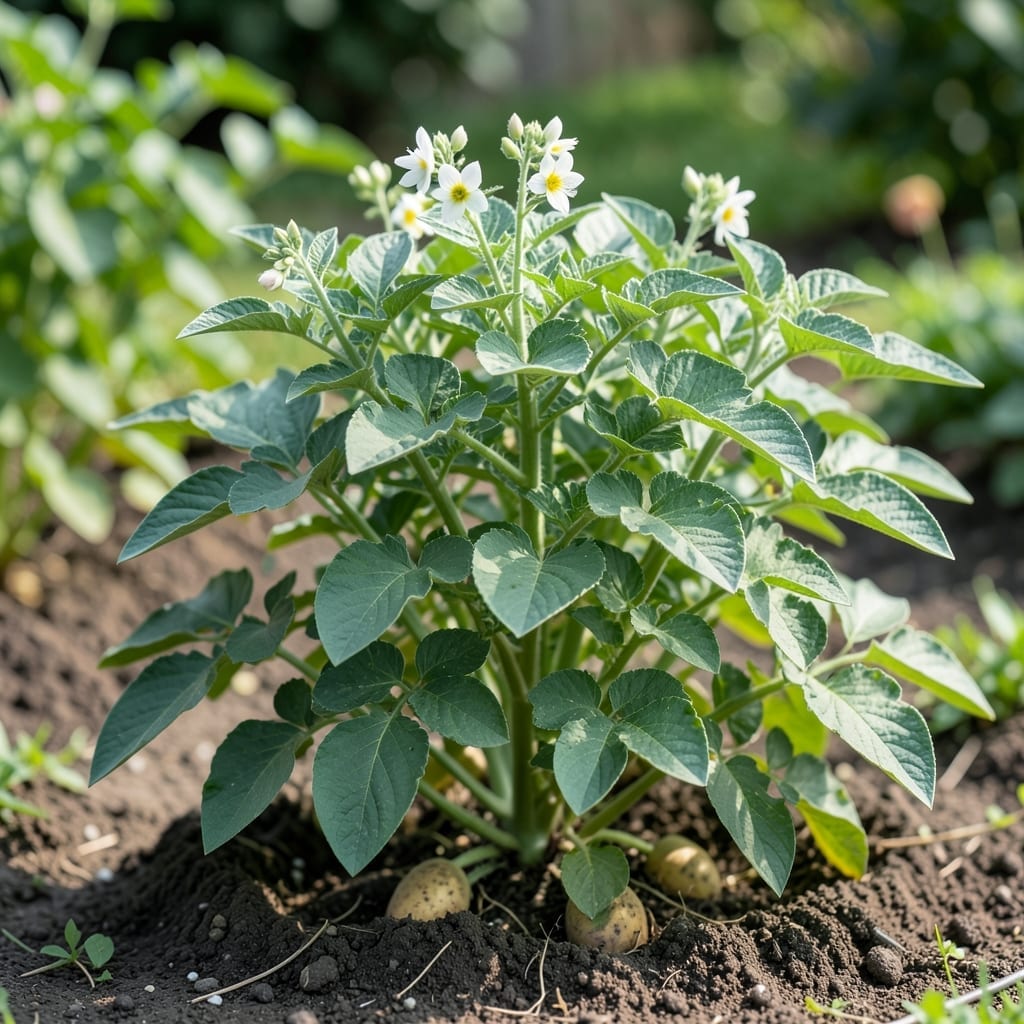
Yes, potato leaves contain toxic compounds called glycoalkaloids, primarily solanine and chaconine, which can cause nausea, headaches, or worse if ingested in large quantities.
These natural toxins act as the plant’s defense against pests and diseases, with the highest concentrations found in the leaves, stems, and green parts. 🔥 I’ve learned from experience that even small amounts can trigger stomach discomfort, while larger doses may lead to more severe neurological symptoms. It’s why I always advise gardeners to wear gloves and wash hands thoroughly after handling potato foliage.
💡 In This Article
Potato plants produce glycoalkaloids like solanine and chaconine as a natural defense. These bitter compounds protect against insects, fungi, and animals that might eat the foliage.
Concentration varies by plant part: leaves contain 2-5 mg/g, while green potato skins can reach 15 mg/g. The compounds increase with exposure to light, damage, or stress. 🔥
Solanine works by disrupting cell membranes in consumers, causing gastrointestinal distress. Chaconine affects the nervous system, potentially leading to neurological symptoms at higher doses.
What triggers production? Environmental stress like drought or injury signals the plant to ramp up these toxins. This is why damaged potato tubers often turn green and taste bitter.
For comparison, a 100g serving of potato leaves could contain 200-500mg of glycoalkaloids. Consuming 2-5mg/kg of body weight may cause symptoms in humans.
These compounds aren’t broken down by cooking or drying. They remain stable even after processing, making potato leaves unsafe regardless of preparation method. ✨
Consuming potato leaves can cause nausea, vomiting, and headaches due to their glycoalkaloid content. In severe cases, it may lead to neurological symptoms like confusion or weakness. Always avoid eating any part of the plant except the tubers.
Yes, stems contain the same toxins as leaves, often in similar concentrations. Like the foliage, they should never be consumed. The highest toxin levels are found in green parts of the plant.
No, cooking doesn’t break down the glycoalkaloids in potato leaves. These compounds remain stable even after heating, drying, or processing. It’s best to avoid them entirely.
As little as 2-5mg/kg of body weight can cause symptoms in humans. A 100g serving of leaves may contain 200-500mg of toxins, making even small amounts potentially harmful.