
Beautiful Plants For Your Interior
Beautiful Plants For Your Interior
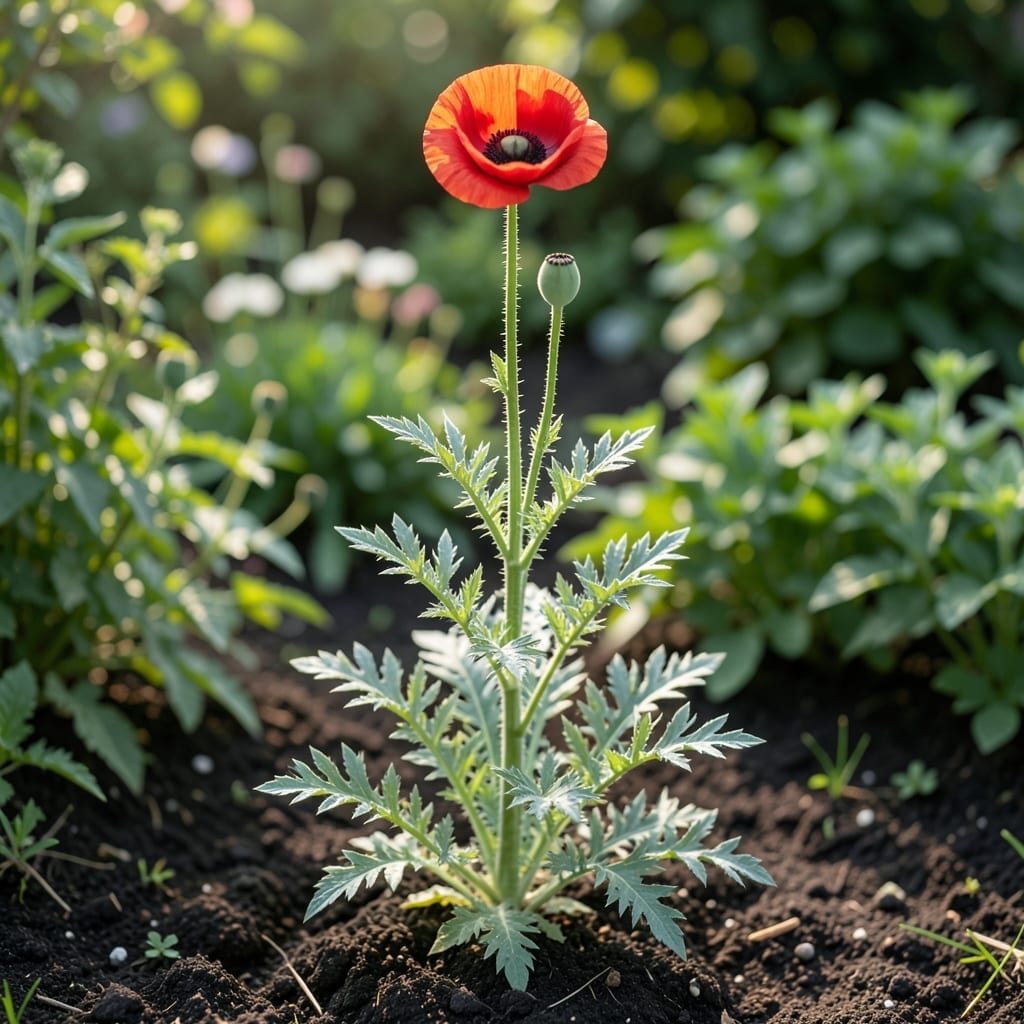
Poppies can be annuals, perennials, or biennials depending on the species. Common garden varieties like corn poppies are annuals, while oriental poppies are perennials.
What fascinates me is how this diversity lets gardeners choose based on their climate and patience. 🔥 Annuals like California poppies bloom quickly from seed, while perennials such as Iceland poppies return each year with proper care. Some species even behave as biennials, blooming in their second year.
This adaptability makes poppies perfect for various garden designs. ✨
💡 In This Article
The botanical classification of poppies reveals three distinct growth patterns. Annual species like corn poppies complete their life cycle in a single growing season, sprouting from seed, flowering, and producing seeds before dying. This rapid lifecycle allows them to thrive in regions with short growing periods. 🌱
Perennial poppies, such as oriental poppies, have a different strategy. They establish deep root systems that survive winter dormancy, regrowing each spring for 3-5 years or more. These varieties often produce larger, more vibrant blooms but require consistent conditions to return annually.
Biennial poppies, including some Iceland poppy varieties, take a two-year approach. They grow foliage the first year, then flower and set seed in their second growing season before dying. This delayed gratification makes them ideal for gardeners willing to wait for stunning displays.
Climate dramatically influences these patterns. In mild areas, some annuals may self-seed so prolifically they appear perennial. Conversely, perennial poppies in harsh climates might behave as annuals if they can’t survive winter temperatures below 0°F (-18°C). ❄️
For example, California poppies often act as annuals in cold climates but can become short-lived perennials in their native Mediterranean environment. This adaptability explains why poppies appear in such diverse gardens worldwide, from English cottage borders to arid desert landscapes.
No, only perennial types like oriental poppies return yearly. Annuals complete their life cycle in one season, while biennials take two years to bloom and die.
Check the root system. Perennials have thick, woody roots that survive winter, while annuals have shallow, fibrous roots that die after flowering.
Yes! Many annuals like corn poppies self-seed prolifically. Allow some pods to mature and drop seeds for next year’s blooms.
Most can survive down to 0°F (-18°C), but harsh winters may kill them. Mulch heavily in fall to protect their roots from freeze-thaw cycles.
Climate plays a huge role. Some annuals act like perennials in mild areas, while perennials may not return if winters are too severe.