
Beautiful Plants For Your Interior
Beautiful Plants For Your Interior
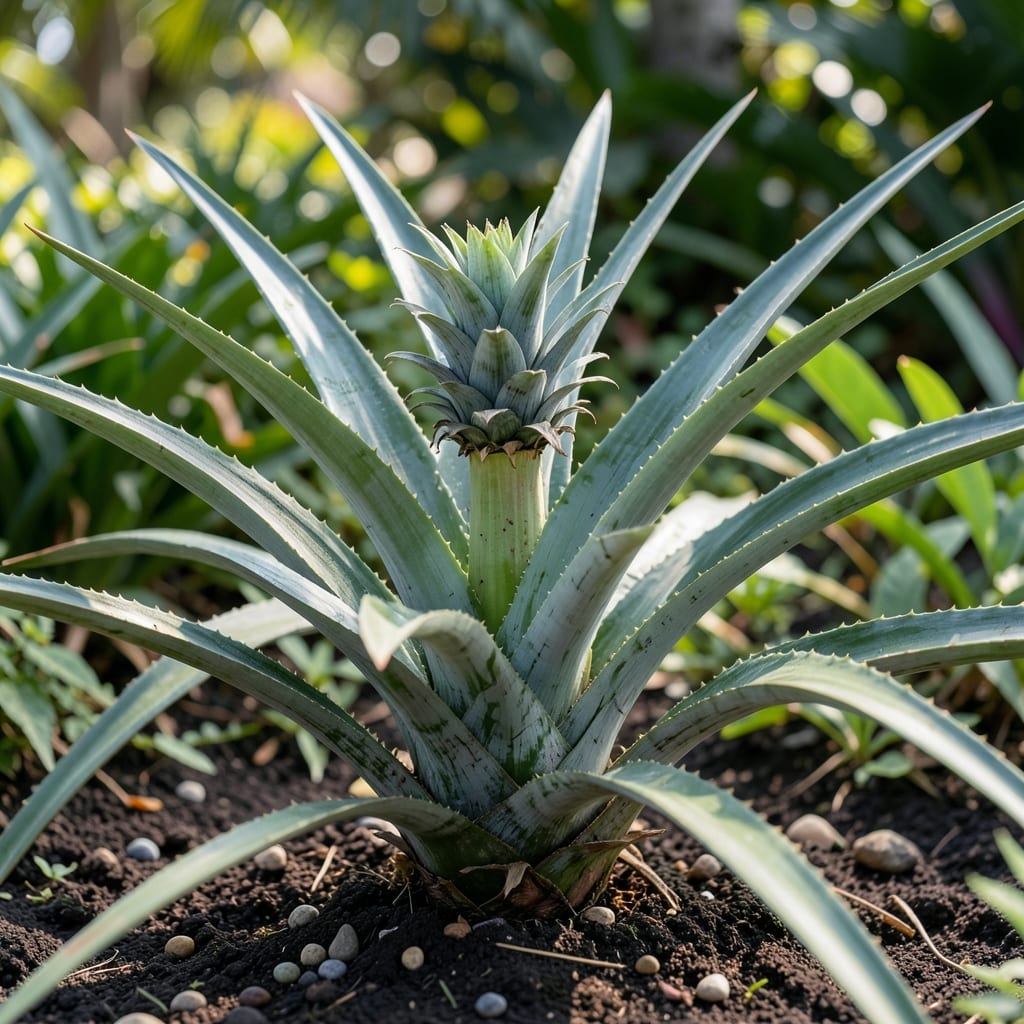
Pineapples are alive when growing on the plant but are considered dead once harvested, as they no longer perform metabolic functions or grow.
What fascinates me about pineapples is their unique status as bromeliads—a plant family that thrives by absorbing water through their leaves. Once picked, they stop ripening and begin deteriorating, which is why timing the harvest is so crucial. 🔥 I’ve seen gardeners get nervous about this, but understanding the plant’s lifecycle makes it much clearer why freshness matters so much.
💡 In This Article
Pineapples belong to the bromeliad family, which means they follow a unique growth pattern. The plant forms a rosette of sword-like leaves that collect rainwater, creating a mini ecosystem at its center. This is where the fruit begins to develop from a flower cluster, a process that can take 18-24 months from planting to harvest.
🔥
The fruit itself is technically a syncarp, formed from multiple fused berries. During growth, the plant performs active photosynthesis, converting sunlight into energy to fuel development. The crown leaves continue growing even after the fruit forms, which is a clear sign of its living state.
This growth stops completely once the pineapple is separated from the plant.
What’s fascinating is the pineapple’s ability to propagate. The crown can be planted to grow a new plant, while the main plant produces offsets called pups or suckers at its base. These can also be harvested and replanted, continuing the lifecycle. This vegetative reproduction is how commercial growers maintain consistent crops without relying on seeds.
✨
Once harvested, the pineapple’s metabolic processes cease immediately. Without connection to the plant’s vascular system, it can no longer absorb water or nutrients. The sugars begin to convert to starches, and the fruit’s vibrant color starts to dull within 2-3 days at room temperature.
This is why store-bought pineapples often have a more muted appearance than freshly harvested ones.
The transition from living to non-living happens at the moment of harvest. Unlike some fruits that continue ripening after picking (like bananas), pineapples don’t produce additional ethylene gas post-harvest. This means what you see at purchase is exactly what you’ll get—no further development occurs. 🌟
A pineapple plant typically lives for 2-3 years, producing one fruit in its lifetime. After fruiting, the mother plant dies but produces offsets that can grow into new plants.
Yes! Simply twist off the crown, strip the lower leaves, and plant the base in soil. With proper care, it will root and grow into a new plant in about 2-3 years.
Once harvested, pineapples stop producing ethylene gas, so they won’t ripen more. What you buy is what you get—choose ones with sweet scent and firm leaves.
Signs include a strong vinegar-like smell, soft or mushy flesh, and leaves that pull out easily. Overripe ones are best used in cooking rather than eaten fresh.