
Beautiful Plants For Your Interior
Beautiful Plants For Your Interior
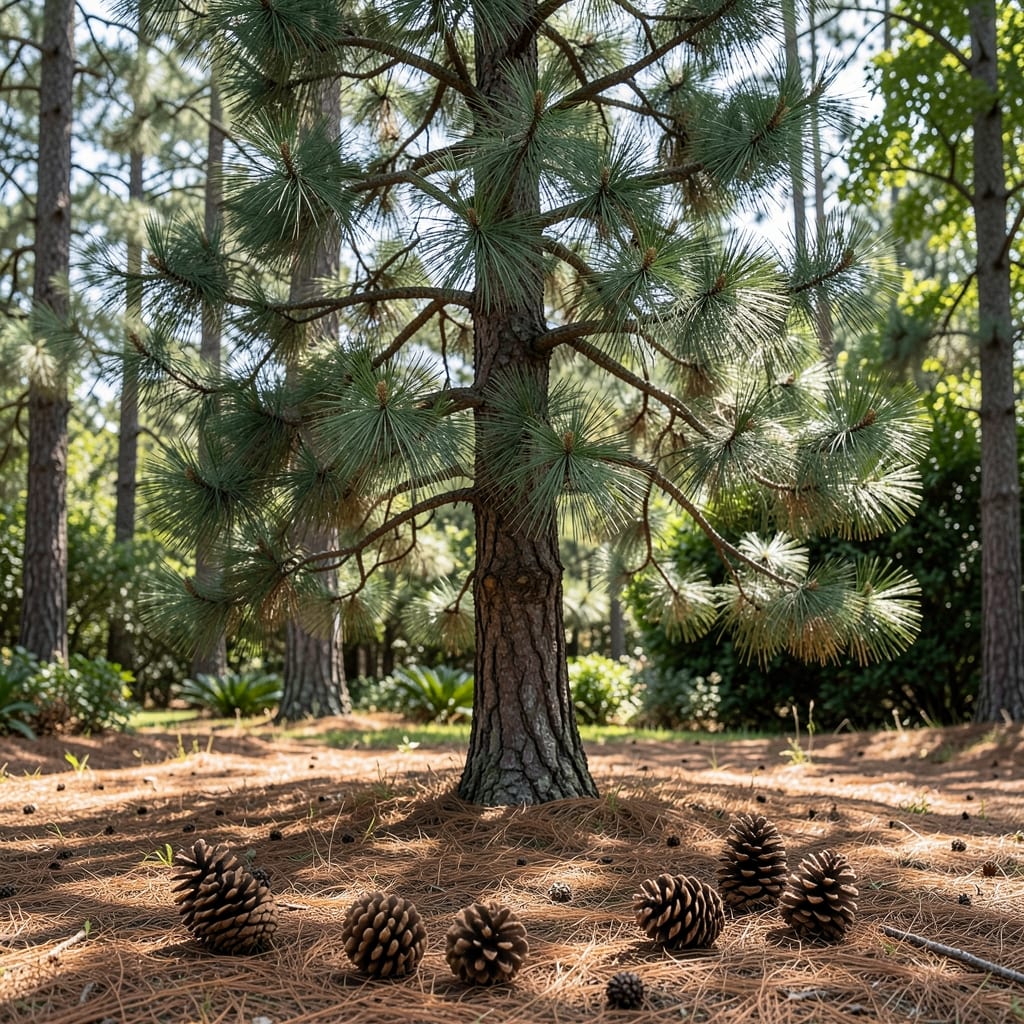
Pine cones are not alive in the traditional sense. They are reproductive structures of pine trees, containing seeds but lacking the cellular activity of living organisms once mature and detached.
I think of pine cones as nature’s protective seed vaults rather than living entities. They form as part of a tree’s reproductive cycle, opening only under ideal conditions to release seeds for new growth. 🔥 Once they fall from the tree, their metabolic processes cease, though they can still serve important ecological roles like providing shelter for small animals or enriching soil as they decompose.
💡 In This Article
Pine cones begin as tiny buds at the tips of pine tree branches, forming after pollination by wind-carried pollen. These buds grow into female cones over 1-3 years, depending on the pine species. During this period, they develop the woody scales that protect the seeds inside. 🔥
Each scale acts as a shield for 2 seeds, which mature as the cone grows. The male cones, smaller and softer, produce pollen but wither after releasing it. Female cones remain on the tree, changing color from green to brown as they mature and dry out.
This drying process is crucial—it causes the scales to open when conditions are right for seed dispersal.
The opening mechanism is humidity-dependent. In dry conditions, the scales bend outward to release seeds; in damp weather, they close tightly to protect the seeds from moisture. This clever adaptation ensures seeds are only dispersed when they have the best chance of germinating. ⚡
Once a mature cone falls from the tree, its metabolic activity ceases. While it may still open and close with humidity changes, it no longer grows or performs cellular respiration. The cone has completed its biological purpose as a seed protector and dispersal agent.
Some cones remain closed for years until exposed to intense heat, like during a forest fire. Species like the lodgepole pine have serotinous cones that only open after fire, ensuring seeds are released into a newly cleared, nutrient-rich environment perfect for germination. ✨
All pine trees produce cones, but the size, shape, and maturity time vary by species. Some pines like the Eastern White Pine produce long, slender cones, while others like the Ponderosa Pine have thicker, more robust ones.
Yes, fallen cones can still open and release seeds if conditions are right. Dry weather causes scales to open, while humidity makes them close. This mechanism ensures seeds are only dispersed when conditions are favorable.
Pine cones typically stay on the tree for 1-3 years to mature. Some species, like the lodgepole pine, retain closed cones for years until exposed to fire. This adaptation helps seeds germinate in optimal conditions.
Yes, pines have separate male and female cones. Male cones are small, soft, and produce pollen. Female cones are larger, woody, and hold the seeds. The wind carries pollen from male to female cones for fertilization.