
Beautiful Plants For Your Interior
Beautiful Plants For Your Interior
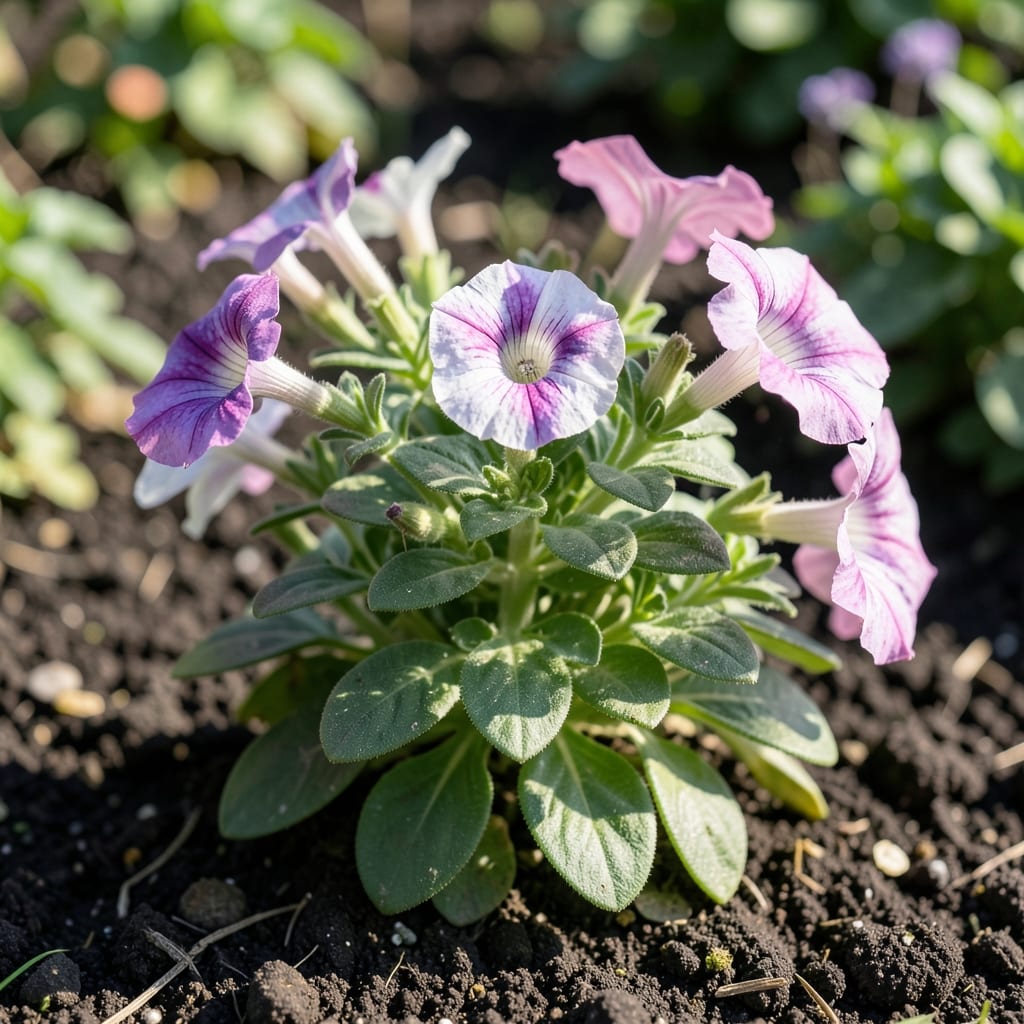
Petunias are generally heat tolerant, thriving in warm climates with proper care. They can handle temperatures up to 90°F but may wilt in extreme heat without adequate water and shade.
I’ve grown petunias in scorching summers, and their resilience impresses me. Their waxy leaves help retain moisture, while deep roots pull water from lower soil layers. 🔥 However, even these tough plants need consistent hydration during heatwaves and protection from harsh afternoon sun to maintain vibrant blooms.
💡 In This Article
Petunias thrive in heat thanks to their waxy leaf coating, a natural barrier that locks in moisture. This cuticle layer reduces water loss through evaporation by up to 40% compared to plants without such protection.
Their deep taproot systems can access water from lower soil layers, often reaching depths of 12-18 inches where moisture persists even during dry spells. 🔥
Their leaves also have tiny hairs that create a microclimate, trapping humidity close to the surface. This adaptation allows petunias to maintain cellular hydration even in 95°F conditions. Unlike many flowers that close their stomata (pores) to conserve water, petunias can regulate their pore activity more efficiently, balancing gas exchange and water retention. ✨
What most gardeners don’t realize is that petunias actually produce more vibrant blooms in warm weather. The heat accelerates their metabolic processes, increasing flower production. However, this comes at a cost—the plant requires 20-30% more water to sustain both growth and flowering during temperature spikes. 💫
Their heat tolerance also varies by variety. Grandifloras with large flowers may wilt faster than multifloras, which have smaller blooms and more heat-resistant foliage. Wave petunias, bred specifically for hot climates, can withstand temperatures up to 100°F with proper care, making them ideal for southern gardens. ⚡
This biological efficiency explains why petunias bounce back quickly after wilting. Once temperatures drop in the evening, their cells rehydrate rapidly, often showing full turgor pressure (firmness) by morning. This recovery ability is a key indicator of their remarkable heat adaptation. 🌟
Most varieties thrive up to 90°F, while heat-resistant types like Wave petunias tolerate up to 100°F with proper care. They may wilt temporarily during peak heat but recover quickly when temperatures drop.
Wilting occurs when the plant loses water faster than it can absorb it. However, their deep roots and waxy leaves help them retain moisture better than many other flowers. Even wilted petunias often perk up by evening with adequate watering.
Yes, increase frequency to maintain 1 inch of water per week. Water deeply in the early morning to prevent evaporation and fungal issues. Avoid wetting the foliage to keep leaves healthy.
No, smaller blooms like multifloras handle heat better than grandifloras. Wave petunias are specifically bred for hot climates and perform best in high temperatures with consistent moisture.