
Beautiful Plants For Your Interior
Beautiful Plants For Your Interior
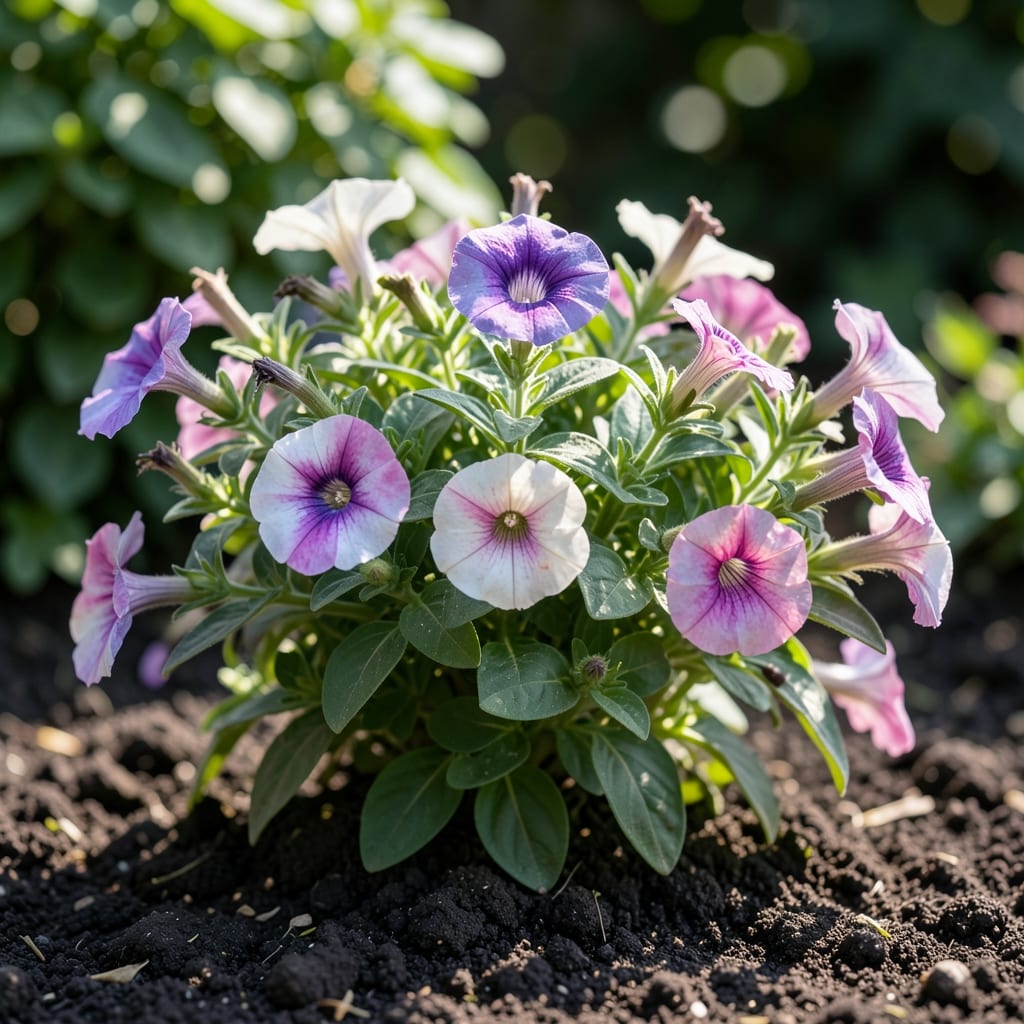
Petunias are not frost tolerant and will typically die in freezing temperatures. They thrive in warm conditions and should be protected or moved indoors when frost is expected.
I’ve learned the hard way that even light frost at 32°F can turn vibrant petunias into wilted casualties overnight. Their tropical origins mean they lack the natural defenses of cold-hardy plants, so I always move potted varieties inside before the first chill. For garden beds, thick mulch or frost cloth can buy you a few extra weeks of blooms. ✨
💡 In This Article
Petunias originate from warm South American climates, which means their cells aren’t built to handle ice formation. When temperatures drop to 32°F, the water inside their cells freezes and expands, rupturing cell walls like tiny exploded balloons. This cellular damage is irreversible, causing leaves and stems to blacken and collapse within hours. 💥
Even temperatures just above freezing (35-40°F) can stress petunias, slowing growth and reducing flower production. The plants enter a state of dormancy below 50°F, where they conserve energy but won’t thrive. This is why gardeners in USDA zones 9-11 can grow petunias as short-lived perennials, while those in colder zones treat them strictly as annuals.
What most people don’t realize is that some newer hybrid varieties show slightly better cold tolerance. These can survive brief dips to 28°F if the frost is light and the soil stays unfrozen. However, prolonged exposure or hard freezes below 25°F will kill even the toughest petunia cultivars.
The key difference lies in their ability to recover from mild damage versus complete cellular collapse.
Soil temperature matters just as much as air temperature. Petunia roots stop absorbing water below 45°F, so even if the foliage survives a light frost, the plant can’t sustain itself long-term. This is why container-grown petunias have an advantage—their root zones stay warmer than in-ground plants when moved to sheltered locations. ✨
In my experience, the first sign of cold damage isn’t wilting—it’s a sudden stop in blooming. Petunias will prioritize survival over reproduction when stressed, which is why you might see green growth but no flowers during cooler periods.
This is nature’s way of telling you it’s time to either protect the plants or accept their seasonal decline.
Petunias begin to stress at 50°F and will show damage at 32°F as water in their cells freezes. Below 25°F, even hardy varieties won’t survive prolonged exposure.
Only in USDA zones 9-11. Elsewhere, move pots to a sheltered spot like a garage or porch where temperatures stay above 40°F. Cold soil will still stress the roots.
No, plastic traps cold air and can worsen damage. Use frost cloth or breathable fabric instead. Secure edges to the ground to prevent heat loss.
Look for blackened, mushy leaves and stems. The first sign is often a sudden stop in blooming, as the plant conserves energy to survive.
If damage is minor, prune dead foliage and move them to warmth. Water lightly and wait 1-2 weeks to see if new growth appears. Severe frost is usually fatal.